
Feng Shui Lucky Plants That Attract Money and Positive Energy

Plants are more than just decorative additions to a home. According to Feng Shui, the ancient Chinese practice of creating harmony between people and their surroundings, certain plants are believed to attract wealth, happiness, good health, and positive energy. Choosing the right plants and placing them in suitable locations can help create a balanced and welcoming living space.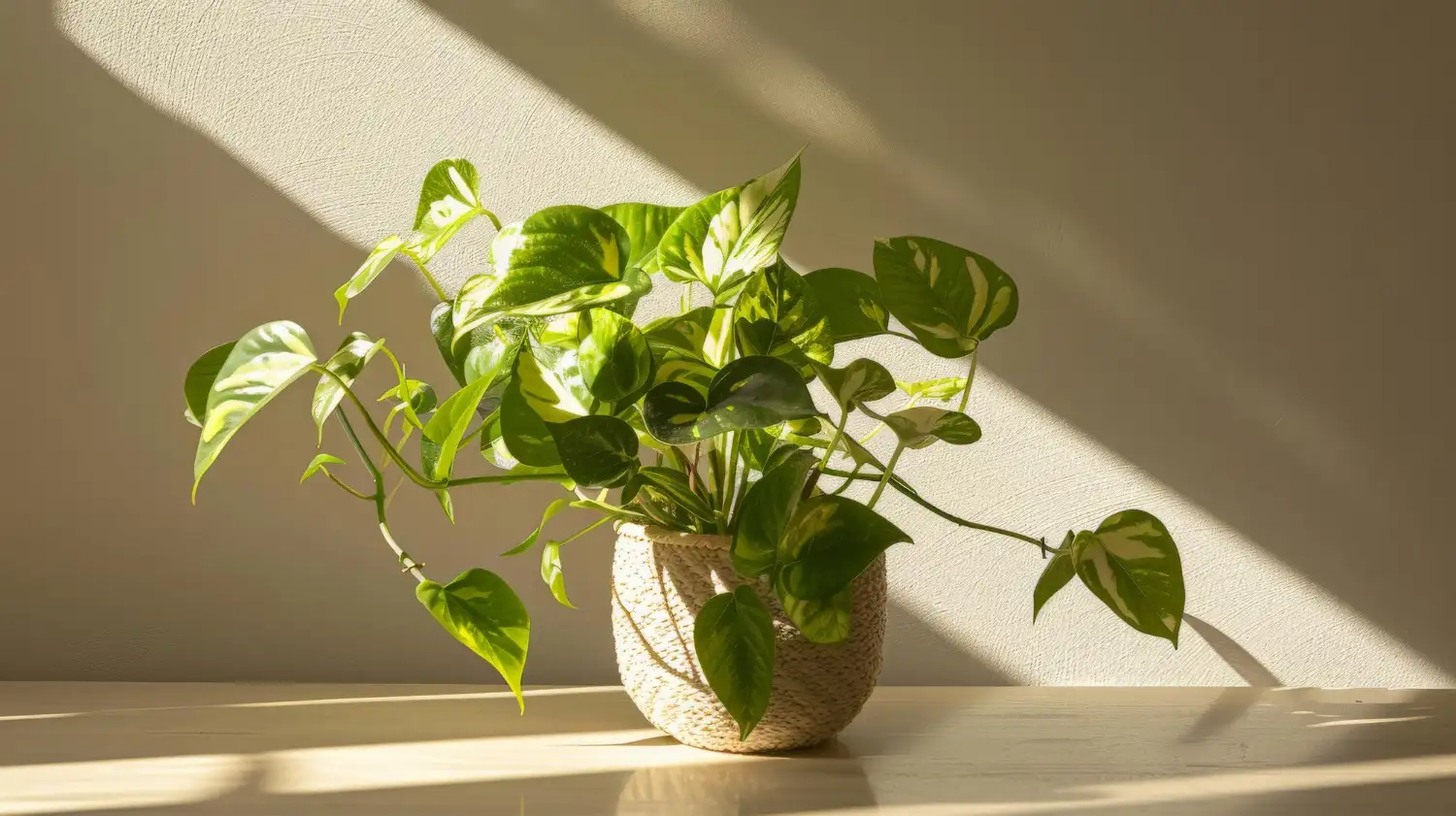
Whether you are decorating your home, setting up a new office, or simply looking to invite positive vibes, these lucky Feng Shui plants are worth considering.
What Is Feng Shui?
Feng Shui is an ancient Chinese philosophy that focuses on balancing the flow of energy, known as 'Chi,' within a space. The arrangement of furniture, colors, natural elements, and plants is believed to influence health, relationships, success, and prosperity.
Healthy, vibrant plants represent growth, abundance, and renewal, making them an important element in Feng Shui.
1. Money Plant
The Money Plant is one of the most popular Feng Shui plants associated with financial growth and prosperity. Its lush green leaves symbolize continuous growth and abundance.
Benefits:
Place it in the southeast corner of your home or office, which is considered the wealth corner in Feng Shui.
2. Lucky Bamboo
Lucky Bamboo is regarded as a powerful symbol of luck, success, and positive energy. The number of stalks carries different meanings.
Keep it near the entrance, on a work desk, or in the east or southeast direction.
3. Jade Plant
The Jade Plant features thick, rounded leaves that resemble coins, making it a traditional symbol of wealth and prosperity.
Benefits:
Place it near the entrance of your home or business or in the southeast area.
4. Peace Lily
The Peace Lily is admired for its elegant white blooms and air-purifying qualities. In Feng Shui, it represents peace, harmony, and emotional balance.
Benefits:
Ideal for bedrooms, living rooms, or meditation spaces.
5. Rubber Plant
The Rubber Plant symbolizes abundance, stability, and financial prosperity. Its broad, glossy leaves are believed to attract positive energy.
Benefits:
Place it in the wealth corner or a well-lit living room.
6. Snake Plant
The Snake Plant is considered a protective plant in Feng Shui. Its upright leaves symbolize strength and resilience while helping remove toxins from indoor air.
Benefits:
Near entrances, hallways, or office spaces.
7. Areca Palm
The graceful Areca Palm is believed to promote peace, positivity, and healthy relationships. It also increases humidity and improves indoor air quality.
Benefits:
Living rooms, balconies, or bright indoor corners.
8. Orchid
Orchids symbolize love, abundance, fertility, and elegance in Feng Shui. Their long-lasting flowers bring beauty and positive energy into the home.
Benefits:
Bedrooms or living rooms with indirect sunlight.
Whether you are decorating your home, setting up a new office, or simply looking to invite positive vibes, these lucky Feng Shui plants are worth considering.
What Is Feng Shui?
Feng Shui is an ancient Chinese philosophy that focuses on balancing the flow of energy, known as 'Chi,' within a space. The arrangement of furniture, colors, natural elements, and plants is believed to influence health, relationships, success, and prosperity.Healthy, vibrant plants represent growth, abundance, and renewal, making them an important element in Feng Shui.
1. Money Plant
The Money Plant is one of the most popular Feng Shui plants associated with financial growth and prosperity. Its lush green leaves symbolize continuous growth and abundance.Benefits:
- Believed to attract wealth and good fortune
- Purifies indoor air
- Easy to grow and maintain
- Thrives in water or soil
Place it in the southeast corner of your home or office, which is considered the wealth corner in Feng Shui.
2. Lucky Bamboo
Lucky Bamboo is regarded as a powerful symbol of luck, success, and positive energy. The number of stalks carries different meanings. - 2 stalks: Love and relationships
- 3 stalks: Happiness, wealth, and longevity
- 5 stalks: Health
- 8 stalks: Growth and prosperity
Keep it near the entrance, on a work desk, or in the east or southeast direction.
3. Jade Plant
The Jade Plant features thick, rounded leaves that resemble coins, making it a traditional symbol of wealth and prosperity. Benefits:
- Encourages financial success
- Represents growth and renewal
- Adds beauty to indoor spaces
Place it near the entrance of your home or business or in the southeast area.
4. Peace Lily
The Peace Lily is admired for its elegant white blooms and air-purifying qualities. In Feng Shui, it represents peace, harmony, and emotional balance. Benefits:
- Promotes calmness
- Helps reduce indoor pollutants
- Enhances positive energy
Ideal for bedrooms, living rooms, or meditation spaces.
5. Rubber Plant
The Rubber Plant symbolizes abundance, stability, and financial prosperity. Its broad, glossy leaves are believed to attract positive energy. Benefits:
- Improves indoor air quality
- Creates a calming atmosphere
- Represents wealth and success
Place it in the wealth corner or a well-lit living room.
6. Snake Plant
The Snake Plant is considered a protective plant in Feng Shui. Its upright leaves symbolize strength and resilience while helping remove toxins from indoor air.Benefits:
- Absorbs harmful pollutants
- Represents protection and stability
- Requires very little maintenance
Near entrances, hallways, or office spaces.
7. Areca Palm
The graceful Areca Palm is believed to promote peace, positivity, and healthy relationships. It also increases humidity and improves indoor air quality. Benefits:
- Encourages fresh energy
- Creates a relaxing atmosphere
- Makes interiors look vibrant
Living rooms, balconies, or bright indoor corners.
8. Orchid
Orchids symbolize love, abundance, fertility, and elegance in Feng Shui. Their long-lasting flowers bring beauty and positive energy into the home. Benefits:
- Enhances relationships
- Represents luxury and prosperity
- Brightens indoor spaces
Bedrooms or living rooms with indirect sunlight.
Next Story