
How to Make Authentic Chennai Filter Coffee at Home

There is a particular smell that belongs to South Indian mornings, dark roasted coffee mixed with chicory, the hiss of milk coming to a boil, and the faint clatter of a steel tumbler on a davara. You do not need a trip to Chennai to have it. You need the right coffee, a filter, and the patience to do it in order.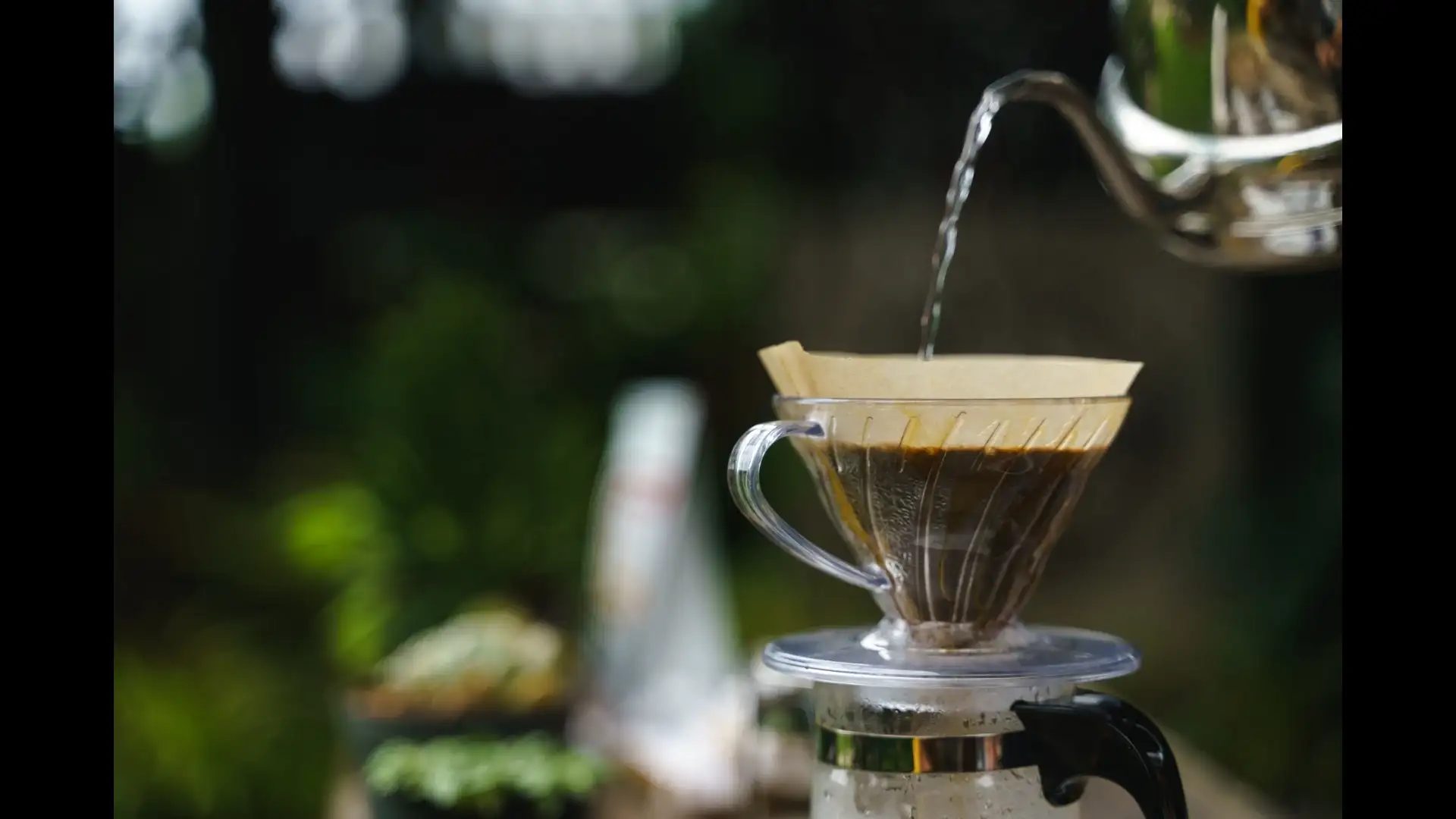
The davara is a wide, shallow saucer. The tumbler is a tall, narrow steel cup. Together they are the vessel and the tool for frothing. If you do not have them, a tall steel cup and a wide bowl do the same job. The shape matters because the pour from height is what creates the foam.
Buy a pre-ground South Indian filter coffee blend from any grocery store that stocks it, brands like Cothas, Leo, or Narasu's are widely available across India. The grind must be fine but not powdery. Espresso-fine clogs the filter and slows the drip to almost nothing. Ask for a medium-fine grind if you are buying whole beans.
Pour water that has just come off the boil, not boiling, but around 90 to 95 degrees, over the disc slowly. Fill the upper chamber. Place the lid on top. Leave it. The drip takes fifteen to twenty minutes. Rushing it by pressing down on the disc mid-process gives a thin, bitter result. What comes out is the decoction: dark, concentrated, and intensely aromatic.
To assemble: pour two to three tablespoons of decoction into the tumbler. Add hot milk to fill it, leaving a centimetre of space. Sweeten with sugar to taste. Now pour the coffee from the tumbler into the davara from a height of about thirty centimetres, then pour it back. Repeat three or four times. The repeated high pour creates the froth on top and cools the coffee to drinking temperature at the same time. The froth is not decoration, it is the texture the drink is supposed to have.
Filter coffee rewards attention to each step individually. Change one variable at a time when adjusting to your taste, the coffee-to-chicory ratio, the amount of decoction per cup, or the milk-to-decoction ratio. Most people land between one part decoction to three parts milk for a medium-strength cup.
The filter does not need to be washed with soap after every use. Rinse it with hot water, let it dry, and the residual oils season it the way a cast-iron pan seasons over time. A well-used filter makes better coffee than a new one.
The Equipment: Filter and Davara-Tumbler
The South Indian filter is a two-chambered steel device. The upper chamber has a perforated disc that sits just inside it. Ground coffee goes on top of this disc, hot water is poured over it, and the decoction drips slowly into the lower chamber over the next fifteen to twenty minutes. No pressure, no pump, gravity does the work.The davara is a wide, shallow saucer. The tumbler is a tall, narrow steel cup. Together they are the vessel and the tool for frothing. If you do not have them, a tall steel cup and a wide bowl do the same job. The shape matters because the pour from height is what creates the foam.
The Coffee: Blend and Grind
Authentic filter coffee uses a blend of Arabica or Robusta beans and chicory. The chicory is not filler, it deepens the body and adds a slight bitterness that balances the sweetness of the milk. A common ratio in traditional blends is roughly 80% coffee to 20% chicory, though some households go heavier on chicory for a stronger, more bitter cup.Buy a pre-ground South Indian filter coffee blend from any grocery store that stocks it, brands like Cothas, Leo, or Narasu's are widely available across India. The grind must be fine but not powdery. Espresso-fine clogs the filter and slows the drip to almost nothing. Ask for a medium-fine grind if you are buying whole beans.
Making the Decoction
Fill the upper chamber with two heaped tablespoons of ground coffee per cup of decoction you want. Press the perforated disc down firmly on top of the grounds. Do not press so hard that the disc is buried, it should sit just above the coffee, compressing it lightly.Pour water that has just come off the boil, not boiling, but around 90 to 95 degrees, over the disc slowly. Fill the upper chamber. Place the lid on top. Leave it. The drip takes fifteen to twenty minutes. Rushing it by pressing down on the disc mid-process gives a thin, bitter result. What comes out is the decoction: dark, concentrated, and intensely aromatic.
The Milk and the Pour
Full-fat milk is not optional here. The fat is what gives filter coffee its body and the slight sweetness that makes it different from black coffee with milk added as an afterthought. Bring the milk to a full boil, then reduce the heat and let it simmer for a minute. This changes its texture slightly and is the step most people skip.To assemble: pour two to three tablespoons of decoction into the tumbler. Add hot milk to fill it, leaving a centimetre of space. Sweeten with sugar to taste. Now pour the coffee from the tumbler into the davara from a height of about thirty centimetres, then pour it back. Repeat three or four times. The repeated high pour creates the froth on top and cools the coffee to drinking temperature at the same time. The froth is not decoration, it is the texture the drink is supposed to have.
What Goes Wrong and Why
Decoction too watery: the grind was too coarse, or too little coffee was used. Decoction too slow or the filter clogged: grind too fine, or the disc was pressed too hard. Flat taste with no depth: the milk was not boiled properly, or the decoction sat in the filter for more than an hour and turned slightly acidic. No froth: the pour height was too low, or the milk was not hot enough when you started.Filter coffee rewards attention to each step individually. Change one variable at a time when adjusting to your taste, the coffee-to-chicory ratio, the amount of decoction per cup, or the milk-to-decoction ratio. Most people land between one part decoction to three parts milk for a medium-strength cup.
The filter does not need to be washed with soap after every use. Rinse it with hot water, let it dry, and the residual oils season it the way a cast-iron pan seasons over time. A well-used filter makes better coffee than a new one.
Next Story