
How to Pack a Suitcase So Clothes Come Out Without Creases

Clothes crease in a suitcase for one reason: fabric under uneven pressure shifts during transit, and the folds it lands in set hard. The solution is to control the pressure and the folds before the bag is zipped, not after it arrives.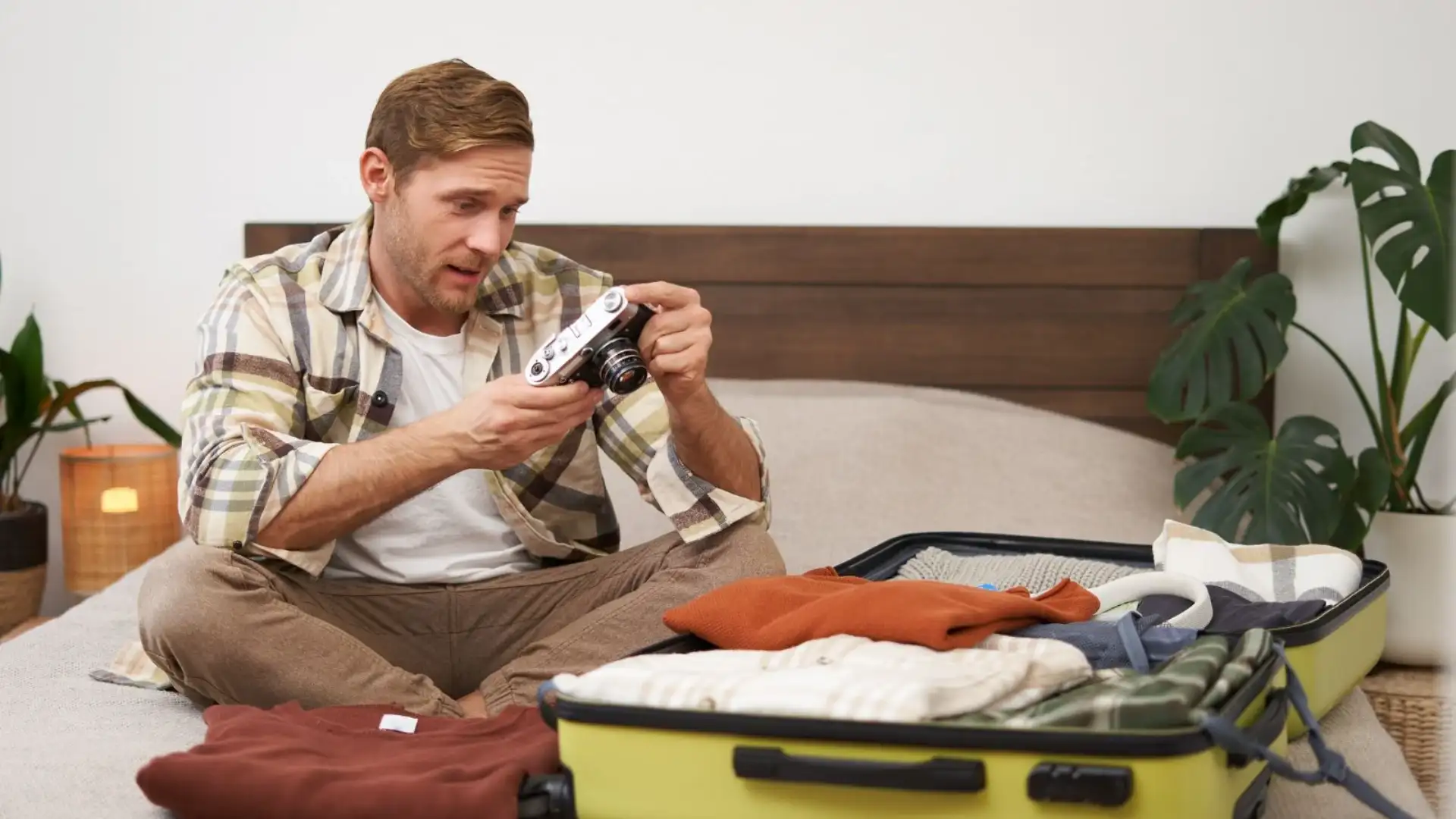
Structured pieces, a blazer, a formal shirt with a stiff collar, a pleated kurta, do not roll without distorting their shape. These need the bundle method instead, which is covered below.
Place your rolled soft clothes in a mound at the centre. Now fold the trouser legs over the mound, then wrap each structured layer around it in reverse order. The soft core acts as a cushion. Each structured garment wraps around something giving way rather than pressing against a hard fold. When you unpack, the garments unwrap and fall with far fewer creases than they would have from a standard fold.
Shoes go in first, soles facing the suitcase wall, stuffed with rolled socks to hold their shape. Then the bundled formal clothes. Then rolled soft items filling the gaps. The last layer, the one closest to the zip, should be whatever you need first at the other end: a change of clothes for the journey, a toiletry pouch, a phone charger.
For a dress shirt, button it fully, turn it face-down, and fold the sleeves across the back before wrapping. A buttoned, face-down shirt holds its front placket flat and keeps the collar from collapsing.
For anything that needs more help, hang it in the bathroom while you run a hot shower. Steam relaxes fibres without touching them. Five minutes is usually enough for cotton and linen. Silk and wool need less heat, so keep them further from the direct steam. This is not a substitute for an iron on a heavily creased formal piece, but it handles most of what a careful pack leaves behind.
Roll What Can Be Rolled, Fold What Cannot
Rolling is not a trick, it is physics. A rolled garment has no sharp fold line, so it cannot crease along one. Cotton T-shirts, jeans, casual trousers, and knitwear all roll well. Lay the garment flat, smooth out any existing wrinkles with your palm, then roll firmly from the hem upward. The roll should be tight enough to hold its shape but not so tight that it strains seams.Structured pieces, a blazer, a formal shirt with a stiff collar, a pleated kurta, do not roll without distorting their shape. These need the bundle method instead, which is covered below.
The Bundle Method for Formal Clothes
This is how professional packers handle a suit jacket without a garment bag. Lay your largest, most structured piece, a blazer or a formal jacket, face-down on a flat surface. Lay the next structured piece on top of it, then the next, each one slightly offset. Trousers go last, laid across the pile lengthwise.Place your rolled soft clothes in a mound at the centre. Now fold the trouser legs over the mound, then wrap each structured layer around it in reverse order. The soft core acts as a cushion. Each structured garment wraps around something giving way rather than pressing against a hard fold. When you unpack, the garments unwrap and fall with far fewer creases than they would have from a standard fold.
Pack in the Right Order
Heavy items, shoes, toiletry bags, books, go at the bottom of the suitcase, against the wheels. This is the side that takes the weight when the bag stands upright. If heavy things sit on top of clothes, every bump in transit presses them deeper into the fabric beneath.Shoes go in first, soles facing the suitcase wall, stuffed with rolled socks to hold their shape. Then the bundled formal clothes. Then rolled soft items filling the gaps. The last layer, the one closest to the zip, should be whatever you need first at the other end: a change of clothes for the journey, a toiletry pouch, a phone charger.
Use the Fabric Against Itself
Dry-cleaning bags are the oldest packer's trick for a reason. Slide a formal shirt or a saree inside a thin plastic bag before folding it. The plastic lets the fabric slide against itself rather than gripping and holding a crease. The same effect comes from tissue paper, though plastic is more reliable. A light layer of tissue between folded layers of silk or chiffon does the same job.For a dress shirt, button it fully, turn it face-down, and fold the sleeves across the back before wrapping. A buttoned, face-down shirt holds its front placket flat and keeps the collar from collapsing.
What to Do When You Arrive
Hang clothes as soon as you open the bag. Fabric that has been compressed for hours needs air and gravity to release. A garment left folded in the suitcase for another hour after arrival sets its creases further.For anything that needs more help, hang it in the bathroom while you run a hot shower. Steam relaxes fibres without touching them. Five minutes is usually enough for cotton and linen. Silk and wool need less heat, so keep them further from the direct steam. This is not a substitute for an iron on a heavily creased formal piece, but it handles most of what a careful pack leaves behind.
Next Story