
5 Tips to Safely Use Glass Bottles for Hot Beverages

A glass bottle sitting on a kitchen counter looks like a straightforward thing. It holds liquid, it seals, it looks good. But glass behaves differently from steel or plastic when heat enters the picture, and the gap between a bottle that handles hot tea every morning and one that cracks on the second use comes down to material, habit, and a little physics.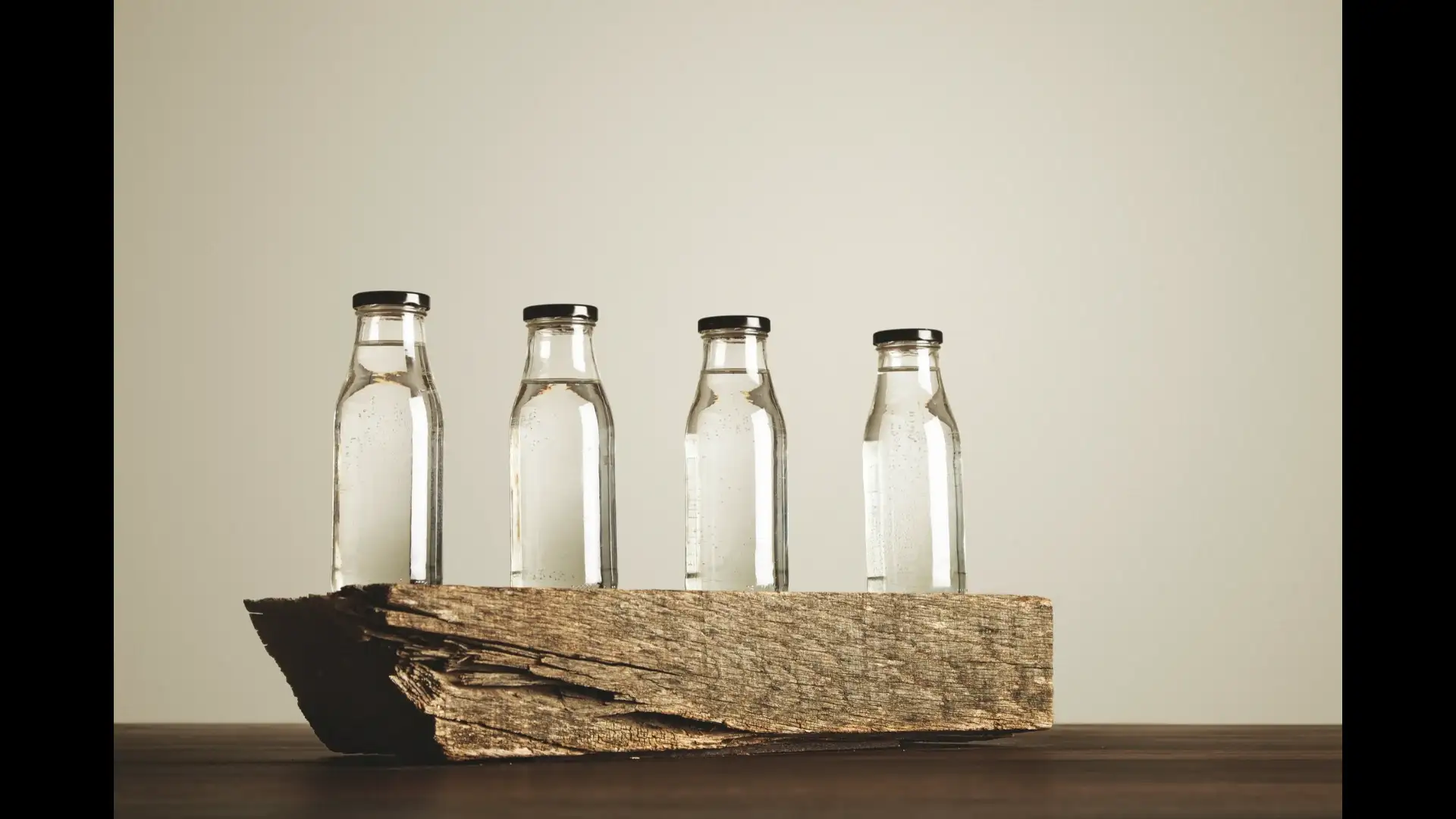
A bottle labelled borosilicate can handle the temperature shift from room temperature to near-boiling water without stress fractures. One that is not labelled, or labelled only as glass, is almost certainly soda-lime and should not be used for hot beverages. Check the base or the packaging before you buy, and if the information is not there, assume it cannot handle heat.
A silicone sleeve or a neoprene holder does two things: it insulates your hand from the heat, and it cushions the bottle against the knocks that happen in a bag or on a desk. It also slows heat loss, so the beverage stays warmer longer. This is not an accessory, it is the part of the setup that makes glass practical for daily hot use rather than just occasional use at a table.
Glass is a genuinely good material for hot beverages when the bottle is the right kind and the habits around it are right. The material itself is inert, it does not leach anything into the liquid, and a borosilicate bottle handled with these habits will last for years. The failures people associate with glass and heat are almost always a mismatch between the glass type and the use, or a single skipped step that the bottle absorbed once too often.
Check Whether Your Bottle Is Borosilicate or Regular Glass
Not all glass is built the same. Borosilicate glass, the kind used in laboratory equipment and quality drinkware, expands very little when heated. Regular soda-lime glass, which is cheaper and far more common, expands more and contracts sharply when cooled. That difference in thermal expansion is what causes cracking.A bottle labelled borosilicate can handle the temperature shift from room temperature to near-boiling water without stress fractures. One that is not labelled, or labelled only as glass, is almost certainly soda-lime and should not be used for hot beverages. Check the base or the packaging before you buy, and if the information is not there, assume it cannot handle heat.
You may also like
- 'I'm so brain-fogged and sleep-deprived': Radhika Apte opens up about motherhood, sleepless nights and how raising a child has changed her ability to multitask
- Gold and Silver Prices Surge: Gold Up by ₹3,000 and Silver by ₹6,900 in a Single Leap – Impact of Trump's Setback
- Dark Mehndi Color: Doesn't the henna color stick to your hands? Note these 5 hacks to darken it.
- 8th Pay Commission: One year on—what has happened so far regarding salary, pension, and the fitment factor?
- 8th Pay Commission: 66% of the work completed; anticipation builds for salary hikes—when will a decision on the 'fitment factor' be reached?
Never Pour Boiling Liquid Directly Into a Cold Bottle
Even a borosilicate bottle benefits from a simple habit: temper it first. Fill the bottle with warm water for thirty seconds, empty it, then pour in the hot beverage. This narrows the temperature gap between the glass and the liquid, reducing the stress the glass absorbs in the first second of contact. The crack risk with a good bottle is already low, but this habit costs nothing and extends the life of the glass. With a soda-lime bottle, tempering helps but does not make it safe for repeated hot use. The physics are working against you regardless.Never Seal a Hot Bottle Immediately
Pouring hot liquid into a sealed container builds pressure as steam forms inside. If the bottle is sealed before the liquid cools even slightly, that pressure has nowhere to go. When you open it, the cap can release suddenly. When it does not release, the pressure works on the seal and eventually on the glass. Let the bottle sit open for two to three minutes after filling with a hot beverage before closing the lid. This is especially important with flip-top or screw-cap glass bottles that form a tight seal. The wait is short. The consequence of skipping it is not.Inspect the Glass Before Every Hot Fill
A hairline crack in glass is nearly invisible until heat finds it. Thermal stress travels the path of least resistance, and a crack is exactly that. Run your fingers around the base and the rim before filling with anything hot. Hold the bottle up to a light source and look for any line that does not belong. A bottle with even a minor chip at the rim or a faint scratch on the body should be retired from hot use immediately. Use it for room-temperature water or replace it. The cost of a new bottle is small compared to what a shattering glass does to a hand or a bag.Carry It in a Sleeve or a Padded Holder
Glass conducts heat to the outside of the bottle quickly. A bottle filled with hot chai will be too hot to hold comfortably within seconds, and the instinct to grip it harder or shift it between hands is exactly how drops happen.A silicone sleeve or a neoprene holder does two things: it insulates your hand from the heat, and it cushions the bottle against the knocks that happen in a bag or on a desk. It also slows heat loss, so the beverage stays warmer longer. This is not an accessory, it is the part of the setup that makes glass practical for daily hot use rather than just occasional use at a table.
Glass is a genuinely good material for hot beverages when the bottle is the right kind and the habits around it are right. The material itself is inert, it does not leach anything into the liquid, and a borosilicate bottle handled with these habits will last for years. The failures people associate with glass and heat are almost always a mismatch between the glass type and the use, or a single skipped step that the bottle absorbed once too often.






Loving Newspoint? Download the app now
