
How to Handle Motion Sickness on Winding Hill Roads

Your inner ear is tracking every curve, dip, and incline. Your eyes, fixed on the seat in front or a phone screen, are reporting stillness. The brain receives two contradictory signals at once and responds with nausea, cold sweat, and dizziness. That conflict is motion sickness, and hill roads are its ideal conditions, constant direction changes, speed variations, and elevation shifts that keep the mismatch running for kilometres at a stretch.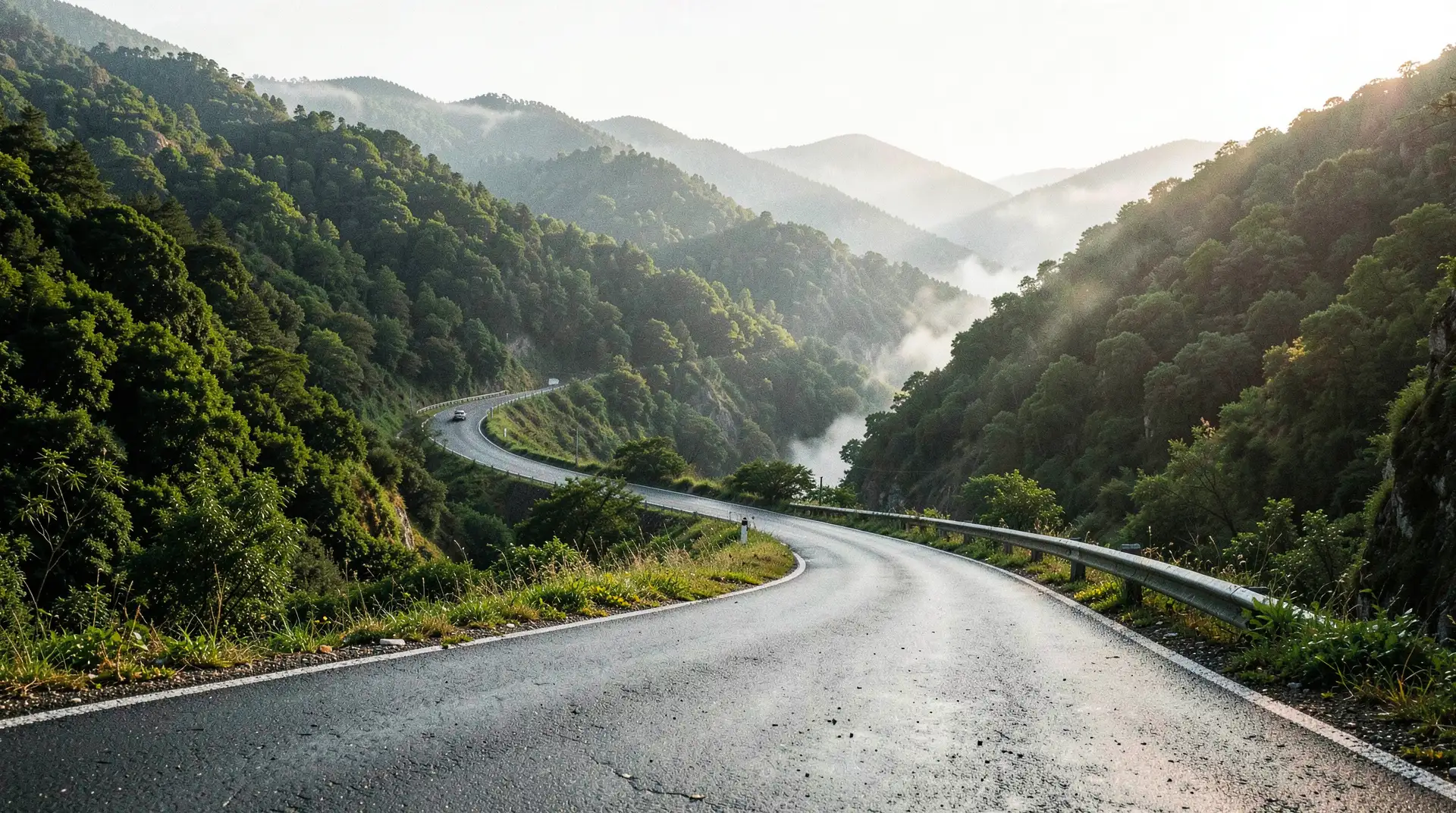
Choose Your Seat Before the Journey Starts
The front passenger seat reduces the mismatch significantly. From there, your eyes see the road ahead, the same movement your inner ear is registering. The back seat, especially in the middle, gives your eyes nothing useful to track while your body tilts and sways through every bend. If the front seat is unavailable, sit by a window and look at the horizon or a distant hillside, not at objects close to the road. Avoid reading, scrolling, or watching anything on a screen. The moment your eyes report a fixed frame while your body is moving, the conflict restarts.Breathe Through It and Keep the Air Moving
Stuffy air makes symptoms arrive faster and feel worse. Keep a window open even a few centimetres. Fresh, cool air slows the escalation and gives your body one less stressor to manage. Slow, deliberate breathing, breathing in for four counts, out for four, activates the part of the nervous system that calms nausea. It is not a cure, but it is a genuine physical intervention, not a distraction. Avoid strong smells inside the vehicle: food, heavy perfume, and air fresheners with synthetic scents all lower the threshold at which nausea kicks in.Eat Light and Time It Right
An empty stomach is uncomfortable on a hill road. A full one is worse. A light meal two to three hours before the journey gives your digestive system something to work with without making nausea more likely. Ginger has a long record in traditional use and is supported by evidence as a stomach-settling agent, a small piece of fresh ginger, ginger candy, or ginger tea before the journey is a reasonable choice. Avoid fatty, spicy, or heavy foods in the hours before and during the drive. Sipping plain water steadily through the journey helps; large gulps of cold drinks do not.Use Acupressure and Rest Stops
The P6 point, three finger-widths below the wrist on the inner forearm, between the two central tendons, is a traditional acupressure point used for nausea. Applying firm, steady pressure there with a thumb or a wristband designed for the purpose is harmless, inexpensive, and worth trying. Rest stops matter more on hill roads than on flat highways. Stepping out, standing on level ground, and letting your eyes and inner ear agree on stillness for a few minutes resets the conflict. Do not push through severe symptoms hoping they will pass on their own, they rarely do on a long mountain route.When to Consider Medication
Over-the-counter antihistamines used for motion sickness work by suppressing the signals between the inner ear and the brain's nausea centre. They are effective for many people but cause drowsiness, which matters if you are the driver or plan to walk on uneven terrain after arrival. They need to be taken before symptoms start, once nausea is established, oral medication is slower to act. Anyone with a medical condition, anyone who is pregnant, and children should speak to a doctor before using any medication for motion sickness. A pharmacist can advise on what is available without a prescription and suitable for the journey. The goal is to manage the condition, not to ignore it until a rest stop becomes urgent.Next Story