
How Parents Can Handle Sibling Rivalry Without Picking a Side

The argument starts small. One child took the other's pencil, or sat in the wrong seat, or breathed too loudly. Within thirty seconds it is a full case being presented to you, the judge, the jury, and the only adult in the room. Every parent knows this moment. The question is what happens next.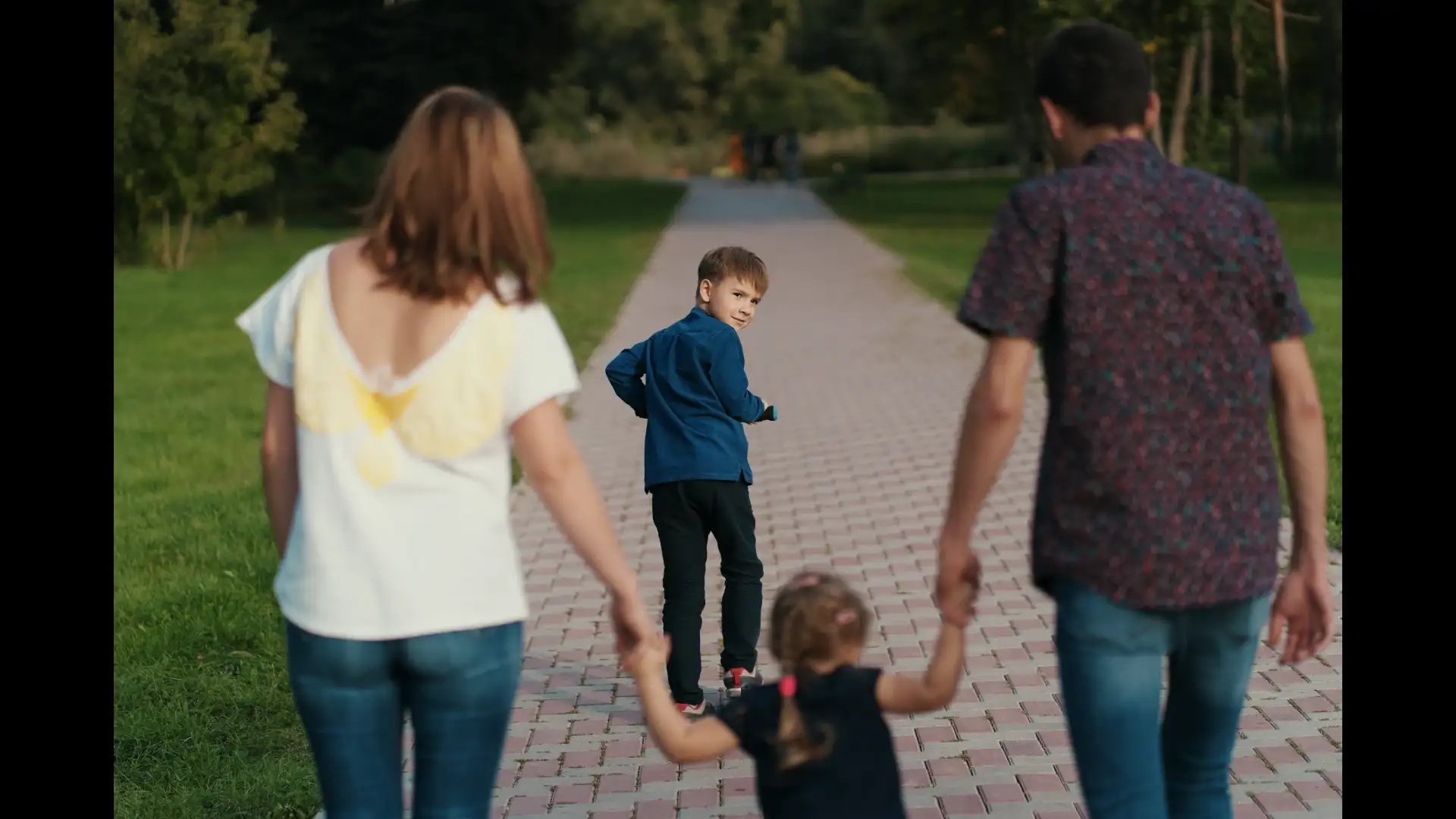
Naming feelings out loud, even when the children are too worked up to respond to it, slows the moment down. It signals that the parent is paying attention to both of them, not just the loudest one. Children who feel heard tend to escalate less, not because they have been told to calm down, but because the pressure behind the feeling has somewhere to go.
Children are often genuinely surprised that their sibling experienced the same moment differently. The child who grabbed the pencil did not think of it as grabbing, she thought she was borrowing. The child who lost the pencil felt dismissed. Both of those things can be true at the same time. A parent who points this out is teaching something that will outlast the argument by decades.
The sibling who was hit also needs a moment, not to be told they won, but to feel that what happened to them was taken seriously. These are two separate conversations, and keeping them separate matters.
The parent who resists the pull to be the decider is doing something harder and more useful than settling the argument. They are staying in the room while two people figure out how to be in the same room together.
Why Picking a Side Makes It Worse
When a parent decides who was right, two things happen at once. The child who wins learns that the way to get what they want is to involve a parent. The child who loses learns that they are seen as the problem. Neither lesson helps them handle the next disagreement, and there will always be a next one. Over time, children in a family where a parent routinely arbitrates start competing for that parent's favour rather than working anything out between themselves. The rivalry stops being about the pencil and starts being about who is loved more. That is the shift parents rarely see coming.What Staying Neutral Actually Looks Like
Neutral does not mean absent. It means refusing to assign blame while staying present. The most useful thing a parent can say in the middle of a fight is something that names what each child is feeling without deciding who caused it. "You're both frustrated" is a different sentence from "She started it" or "Stop bothering your sister." The first sentence gives both children something to work with. The other two hand one child a verdict and send the other away with nothing resolved.Naming feelings out loud, even when the children are too worked up to respond to it, slows the moment down. It signals that the parent is paying attention to both of them, not just the loudest one. Children who feel heard tend to escalate less, not because they have been told to calm down, but because the pressure behind the feeling has somewhere to go.
The Difference Between Intervening and Solving
Some conflicts need a parent to step in physically, when something could get broken or someone could get hurt. But stepping in is not the same as solving. A parent can separate two children, sit with them, and ask each one to say what happened, in order, without interrupting the other. This is not a courtroom. The goal is not a verdict. The goal is for each child to hear the other's version of the same event.Children are often genuinely surprised that their sibling experienced the same moment differently. The child who grabbed the pencil did not think of it as grabbing, she thought she was borrowing. The child who lost the pencil felt dismissed. Both of those things can be true at the same time. A parent who points this out is teaching something that will outlast the argument by decades.
When One Child Really Did Behave Badly
Staying neutral does not mean pretending all behaviour is equal. If one child hits, that is not a dispute to mediate, it is a behaviour to address, separately, after the immediate moment has passed. The address is private, calm, and about the action rather than the character. "Hitting is not how we handle this" is different from "You always do this" or "Why can't you be more like your brother." The second kind of statement does not correct the behaviour. It becomes part of the story that child tells about themselves.The sibling who was hit also needs a moment, not to be told they won, but to feel that what happened to them was taken seriously. These are two separate conversations, and keeping them separate matters.
What Children Are Actually Learning
Every sibling fight is a rehearsal for something. Children who grow up in a home where conflicts get mediated rather than judged learn that disagreement does not have to end a relationship, that two people can want different things and still find a way through, and that being heard is not the same as being agreed with. These are not small lessons. They are the ones that show up in marriages, friendships, and workplaces long after the pencil is forgotten.The parent who resists the pull to be the decider is doing something harder and more useful than settling the argument. They are staying in the room while two people figure out how to be in the same room together.
Next Story