
Meet the Plants That Have Been Cloning Themselves for Thousands of Years

When we think of a plant's lifespan, we usually imagine a tree or flower growing from a seed, living for a number of years and eventually dying. However, some plants follow an entirely different path. Instead of relying solely on seeds, they reproduce by creating genetically identical copies of themselves, allowing the same organism to survive for centuries or even thousands of years. Although individual stems or trunks may die, the underground root system continues producing new shoots, making the organism effectively immortal on a human timescale. These extraordinary plants are among the oldest living organisms on Earth and offer remarkable insights into evolution, resilience and the power of nature.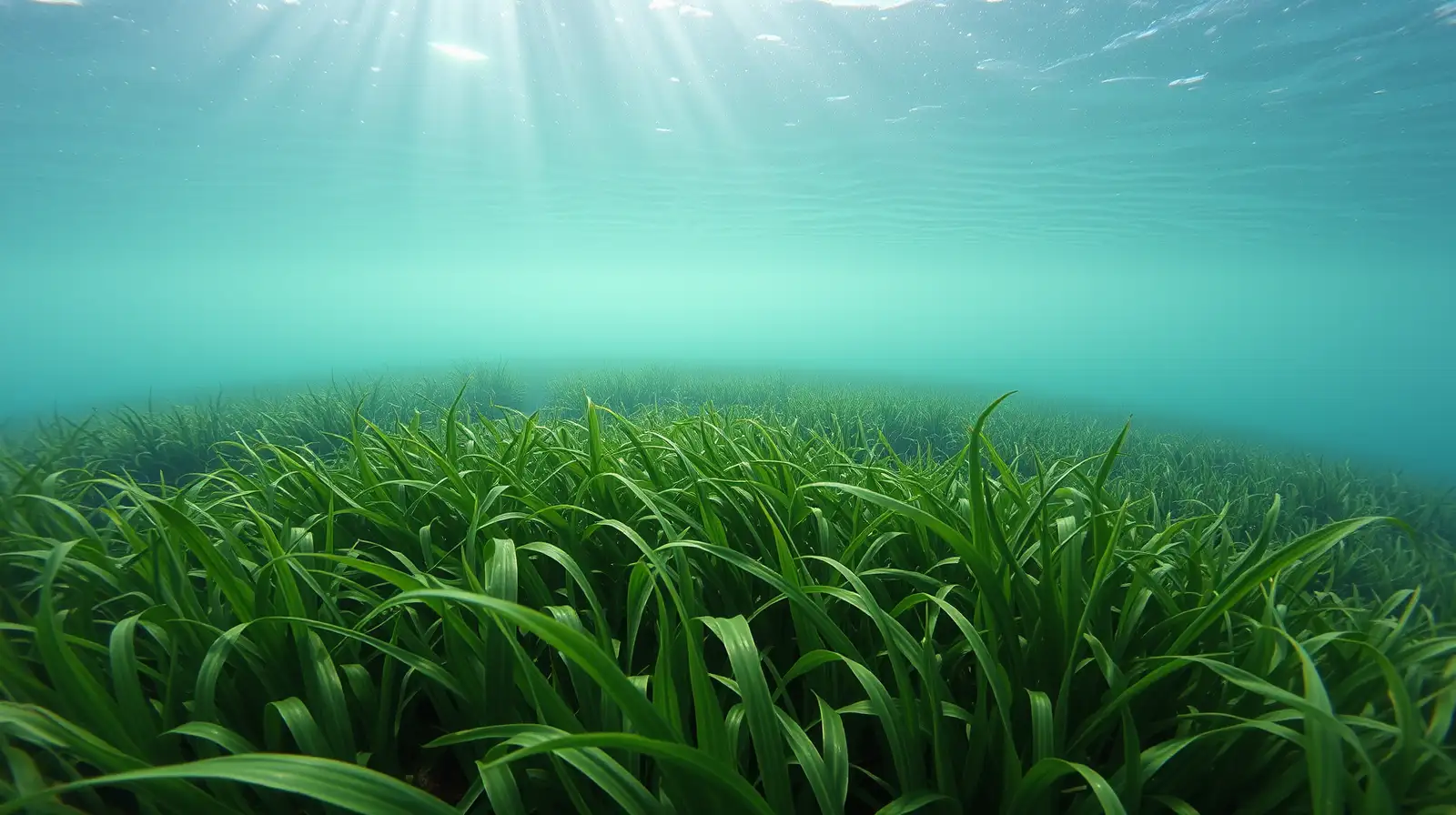
The new plants are genetically identical to the original because they arise from the same living tissue. Over time, these clones spread outward, creating enormous colonies that function as a single organism.
This strategy allows plants to survive even when seed production becomes difficult due to harsh climates or limited pollinators.
Scientists estimate that Pando covers about 43 hectares and weighs around 6,000 tonnes, making it one of the heaviest known living organisms on Earth.
While individual trees live for roughly 100 to 150 years, the root system itself may have survived for thousands of years by continually producing new trunks.
Genetic analysis showed that the entire meadow had grown from a single seed before expanding through cloning over an area of about 180 square kilometres.
Scientists believe this giant marine plant may be around 4,500 years old, making it one of the oldest living organisms ever identified.
Its ability to clone itself has enabled it to survive changing sea levels, storms and shifting environmental conditions.
If one part of the colony is damaged by fire, storms or grazing animals, the remaining sections can continue growing and replace what was lost.
However, there is a trade-off. Because every clone shares the same genetic makeup, the entire colony may be more vulnerable to diseases or environmental changes that affect that particular genotype.
Even so, many clonal plants have endured for millennia, demonstrating the effectiveness of this strategy.
They also play vital ecological roles by storing carbon, stabilising soils, supporting wildlife and protecting coastlines. Conserving these remarkable organisms has become increasingly important as climate change, habitat loss and invasive species threaten many of the world's oldest plant colonies.
Their resilience offers valuable lessons for both ecology and conservation.
Plants That Can Clone Themselves for Centuries
What Is Plant Cloning ?
Plant cloning, also known as vegetative reproduction , occurs when a plant produces new growth from roots, stems or underground structures instead of seeds.The new plants are genetically identical to the original because they arise from the same living tissue. Over time, these clones spread outward, creating enormous colonies that function as a single organism.
This strategy allows plants to survive even when seed production becomes difficult due to harsh climates or limited pollinators.
Pando , the Giant Living Organism
Perhaps the most famous example is Pando, a vast colony of quaking aspens in Utah, United States. At first glance, it appears to be an ordinary forest, but genetic studies have revealed that more than 40,000 tree trunks are connected by a single underground root system.Scientists estimate that Pando covers about 43 hectares and weighs around 6,000 tonnes, making it one of the heaviest known living organisms on Earth.
While individual trees live for roughly 100 to 150 years, the root system itself may have survived for thousands of years by continually producing new trunks.
Ancient Seagrasses Beneath the Ocean
Cloning is not limited to forests. In 2022, researchers discovered an enormous meadow of Posidonia australis seagrass in Shark Bay, Western Australia.Genetic analysis showed that the entire meadow had grown from a single seed before expanding through cloning over an area of about 180 square kilometres.
You may also like
- Plastic Note: How will plastic notes differ from paper currency? Notes of ₹10 and ₹20 denominations will be introduced first..
- EV Subsidy: 50% subsidy on EV purchases announced by the government; bring home a bike at half the price.
- Make sure to check these 3 hidden clauses before signing a rent agreement, or else you might regret it later..
- Make rose water at home for glowing skin, the process is very easy
- Is Your Baby Tired? 15 Signs to Look Out For
Scientists believe this giant marine plant may be around 4,500 years old, making it one of the oldest living organisms ever identified.
Its ability to clone itself has enabled it to survive changing sea levels, storms and shifting environmental conditions.
Why Cloning Is So Effective
Producing clones allows plants to spread quickly without waiting for successful pollination or favourable weather for seed germination.If one part of the colony is damaged by fire, storms or grazing animals, the remaining sections can continue growing and replace what was lost.
However, there is a trade-off. Because every clone shares the same genetic makeup, the entire colony may be more vulnerable to diseases or environmental changes that affect that particular genotype.
Even so, many clonal plants have endured for millennia, demonstrating the effectiveness of this strategy.
Why This Matters Today
Ancient clonal plants provide valuable records of environmental change and help scientists understand how ecosystems respond over long periods.They also play vital ecological roles by storing carbon, stabilising soils, supporting wildlife and protecting coastlines. Conserving these remarkable organisms has become increasingly important as climate change, habitat loss and invasive species threaten many of the world's oldest plant colonies.
Their resilience offers valuable lessons for both ecology and conservation.






Loving Newspoint? Download the app now
