
Meet the world-famous Robin Hood oak tree that died after nearly 1,000 years: Amazing facts about the legendary Major Oak


Deep in the heart of Sherwood Forest stood one of Britain 's most treasured natural wonders. Known as the Major Oak , the ancient tree became a symbol of Nottinghamshire and a destination for visitors from around the world. In June 2026, conservationists confirmed that the giant oak had died after failing to produce leaves for a second consecutive spring. Estimated to be between 800 and 1,200 years old, the tree witnessed the reigns of kings, devastating wars and centuries of history, earning a place among the world's most famous trees. Its enormous branches and remarkable longevity made it a living link to Britain's past and one of the country's most celebrated natural landmarks.
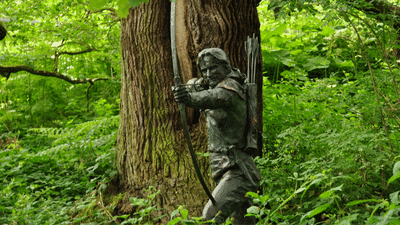
Generations of folklore helped turn the Major Oak into a legend. Tales passed down through the centuries claim that Robin Hood and his Merry Men used the giant oak as a hideout while evading the Sheriff of Nottingham. According to the stories, Robin Hood was a skilled archer and outlaw who stole from wealthy and corrupt nobles and helped ordinary people in need. Alongside companions such as Little John, Friar Tuck and Maid Marian, he became a symbol of justice and resistance against oppression. Whether the outlaw truly existed remains a mystery, but his adventures captured imaginations across the world and transformed the Major Oak into an enduring symbol of English folklore. Here are some fascinating facts about the legendary giant and the remarkable legacy it leaves behind.
Amazing facts about the legendary Robin Hood
It was between 800 and 1,200 years old
Experts estimate the Major Oak was somewhere between 800 and 1,200 years old, though many place its age at around 1,000 years. That means it began growing around the time of the Norman Conquest in 1066. Over the centuries, it witnessed the reigns of dozens of monarchs, the rise and fall of empires and countless historical events that shaped Britain.
It is linked to the legend of Robin Hood
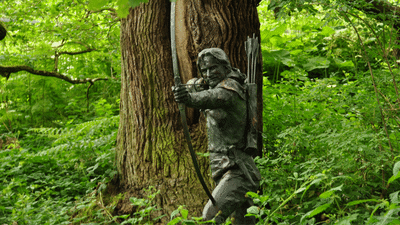
Much of the tree's fame comes from its association with Robin Hood and his Merry Men. According to folklore, the giant oak served as a hideout for the legendary outlaw while he evaded the Sheriff of Nottingham. Historians believe the tree would not have been hollow during Robin Hood's supposed lifetime, but the connection became deeply rooted in English folklore and helped turn the Major Oak into an international icon.
It was once called the Cockpen Tree
Long before it became known as the Major Oak, the tree was called the Cockpen Tree because cockfighting contests were reportedly held beneath its branches. Its current name comes from Major Hayman Rooke, an 18th-century antiquarian and army officer who documented the tree and helped bring it to wider attention.
It is one of Britain's largest oak trees
The ancient giant had a trunk circumference of around 11 metres and a canopy stretching almost 28 metres across. Its massive branches became so heavy with age that a network of wooden and metal supports was installed to keep them from collapsing. These supports became one of the tree's distinctive features.
Visitors once climbed inside its hollow trunk
For centuries, tourists could walk right up to the tree and even climb inside its cavernous hollow trunk. As visitor numbers increased, however, the surrounding soil and roots suffered damage. Authorities fenced off the area in the 1970s to protect the ancient giant, allowing people to admire it from a distance.
Heatwaves, drought and tourism contributed to its decline
Conservationists said the Major Oak had been weakening for years. Repeated heatwaves, prolonged droughts and the effects of climate change placed enormous stress on the tree. Heavy footfall compacted the surrounding soil, limiting the amount of oxygen and water reaching its roots. Despite extensive conservation efforts, the tree failed to recover.
Generations of folklore helped turn the Major Oak into a legend. Tales passed down through the centuries claim that Robin Hood and his Merry Men used the giant oak as a hideout while evading the Sheriff of Nottingham. According to the stories, Robin Hood was a skilled archer and outlaw who stole from wealthy and corrupt nobles and helped ordinary people in need. Alongside companions such as Little John, Friar Tuck and Maid Marian, he became a symbol of justice and resistance against oppression. Whether the outlaw truly existed remains a mystery, but his adventures captured imaginations across the world and transformed the Major Oak into an enduring symbol of English folklore. Here are some fascinating facts about the legendary giant and the remarkable legacy it leaves behind.
Amazing facts about the legendary Robin Hood
It was between 800 and 1,200 years old
Experts estimate the Major Oak was somewhere between 800 and 1,200 years old, though many place its age at around 1,000 years. That means it began growing around the time of the Norman Conquest in 1066. Over the centuries, it witnessed the reigns of dozens of monarchs, the rise and fall of empires and countless historical events that shaped Britain.
Much of the tree's fame comes from its association with Robin Hood and his Merry Men. According to folklore, the giant oak served as a hideout for the legendary outlaw while he evaded the Sheriff of Nottingham. Historians believe the tree would not have been hollow during Robin Hood's supposed lifetime, but the connection became deeply rooted in English folklore and helped turn the Major Oak into an international icon.
It was once called the Cockpen Tree
Long before it became known as the Major Oak, the tree was called the Cockpen Tree because cockfighting contests were reportedly held beneath its branches. Its current name comes from Major Hayman Rooke, an 18th-century antiquarian and army officer who documented the tree and helped bring it to wider attention.
It is one of Britain's largest oak trees
Visitors once climbed inside its hollow trunk
For centuries, tourists could walk right up to the tree and even climb inside its cavernous hollow trunk. As visitor numbers increased, however, the surrounding soil and roots suffered damage. Authorities fenced off the area in the 1970s to protect the ancient giant, allowing people to admire it from a distance.
Conservationists said the Major Oak had been weakening for years. Repeated heatwaves, prolonged droughts and the effects of climate change placed enormous stress on the tree. Heavy footfall compacted the surrounding soil, limiting the amount of oxygen and water reaching its roots. Despite extensive conservation efforts, the tree failed to recover.
Next Story