
Microplastics in Your Blood: The Hidden Health Crisis Science Finally Confirmed

Scientists have confirmed what many feared: microplastics are now found in human blood, lungs, and even placenta. This 2026 reality means the plastic pollution crisis has become deeply personal. Every time you eat seafood, drink from plastic bottles, or breathe indoor air, you potentially ingest tiny plastic particles that accumulate in your body over time.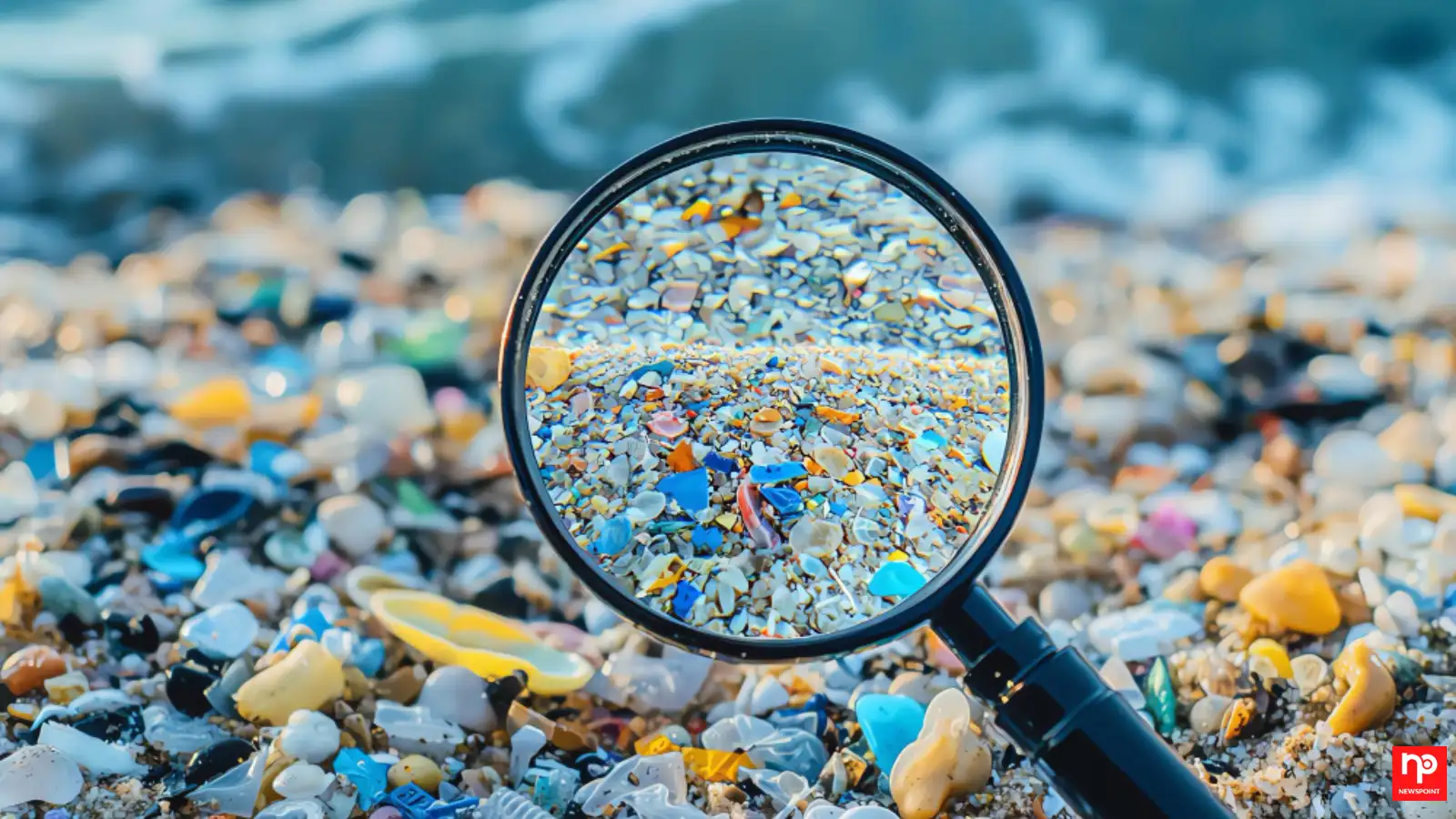
How Microplastics Enter Your Body Daily
Microplastics enter through multiple pathways simultaneously. Seafood contains microplastics from contaminated oceans, with filter-feeding organisms like shellfish containing the highest concentrations. Bottled water contains significantly more microplastic particles than tap water, sometimes hundreds per liter. Even the air you breathe indoors contains microplastic fibers shed from synthetic clothing, carpets, and furniture.
Your clothing contributes to this problem too. Every time you wash synthetic fabrics like polyester, nylon, or acrylic, thousands of microplastic fibers release into wastewater. These fibers eventually reach oceans but some remain in the environment, circulating through air and water systems that feed back into your food supply.
The Health Effects Science Is Still Uncovering
The full health consequences of microplastic exposure remain unclear because research is still ongoing. However, early studies show concerning patterns. Microplastics carry harmful chemicals like phthalates and bisphenol A, which disrupt hormones and affect development. These particles can trigger inflammation, oxidative stress, and potentially contribute to cardiovascular disease.
Nearly one quarter of the global burden of disease could be prevented with healthier environments, and microplastics represent a growing component of environmental health risks. Scientists worry about long-term accumulation effects, especially for developing fetuses and children whose bodies are still forming.
Practical Steps to Reduce Your Microplastic Exposure
You cannot eliminate microplastic exposure completely, but you can significantly reduce it. Drink tap water instead of bottled water whenever possible, and use high-quality water filters designed to remove microplastics. Choose fresh or frozen seafood over canned options, and vary your seafood choices to avoid accumulating contaminants from single sources.
Wear natural fibers like cotton, wool, and linen instead of synthetic materials. When you must wash synthetic clothing, use a microplastic-catching laundry bag or filter. Avoid heating food in plastic containers, as heat increases chemical leaching. Choose glass, stainless steel, or ceramic food storage instead.
Why This Matters More Than You Realized
Microplastic pollution connects environmental health directly to personal health in ways that affect everyone regardless of lifestyle choices. The plastic we use today becomes part of our bodies tomorrow. Reducing plastic consumption is no longer just about saving the environment; it is about protecting your own health and the health of future generations.
Understanding this connection empowers you to make choices that benefit both planet and body simultaneously.
How Microplastics Enter Your Body Daily
Microplastics enter through multiple pathways simultaneously. Seafood contains microplastics from contaminated oceans, with filter-feeding organisms like shellfish containing the highest concentrations. Bottled water contains significantly more microplastic particles than tap water, sometimes hundreds per liter. Even the air you breathe indoors contains microplastic fibers shed from synthetic clothing, carpets, and furniture. Your clothing contributes to this problem too. Every time you wash synthetic fabrics like polyester, nylon, or acrylic, thousands of microplastic fibers release into wastewater. These fibers eventually reach oceans but some remain in the environment, circulating through air and water systems that feed back into your food supply.
You may also like
- Understanding Your IVF Report: Embryo Grading, Follicle Count and More
- Easy Way To Remove Sock Odor: Wear them in the morning, and by evening the socks start smelling, this trick will help you.
- Why Women Live Longer Than Men: Why do women live longer than men? What is the reason for their longer life?
- Physical Relationship Health: Do you also take tonics to increase your bedtime? These serious illnesses are inviting you.
- Understanding Men's Body Image: Breaking the Silence on Insecurities
The Health Effects Science Is Still Uncovering
The full health consequences of microplastic exposure remain unclear because research is still ongoing. However, early studies show concerning patterns. Microplastics carry harmful chemicals like phthalates and bisphenol A, which disrupt hormones and affect development. These particles can trigger inflammation, oxidative stress, and potentially contribute to cardiovascular disease. Nearly one quarter of the global burden of disease could be prevented with healthier environments, and microplastics represent a growing component of environmental health risks. Scientists worry about long-term accumulation effects, especially for developing fetuses and children whose bodies are still forming.
Practical Steps to Reduce Your Microplastic Exposure
You cannot eliminate microplastic exposure completely, but you can significantly reduce it. Drink tap water instead of bottled water whenever possible, and use high-quality water filters designed to remove microplastics. Choose fresh or frozen seafood over canned options, and vary your seafood choices to avoid accumulating contaminants from single sources. Wear natural fibers like cotton, wool, and linen instead of synthetic materials. When you must wash synthetic clothing, use a microplastic-catching laundry bag or filter. Avoid heating food in plastic containers, as heat increases chemical leaching. Choose glass, stainless steel, or ceramic food storage instead.
Why This Matters More Than You Realized
Microplastic pollution connects environmental health directly to personal health in ways that affect everyone regardless of lifestyle choices. The plastic we use today becomes part of our bodies tomorrow. Reducing plastic consumption is no longer just about saving the environment; it is about protecting your own health and the health of future generations. Understanding this connection empowers you to make choices that benefit both planet and body simultaneously.






More from our partners


Loving Newspoint? Download the app now
