
Microwave Reheating Mistakes You Should Avoid For Better Food Safety And Taste

Microwave ovens have become indispensable kitchen appliances, helping people warm meals within minutes. Their speed and convenience make them particularly useful for busy households and professionals with limited time. However, while microwaves are excellent for reheating many foods, some dishes require extra caution. Improper reheating can lead to uneven temperatures, reduced food quality and, in certain situations, food safety concerns. Understanding which foods are more challenging to reheat in a microwave can help prevent unpleasant eating experiences and encourage better kitchen practices. Here are some common foods that deserve special attention before being placed in the microwave.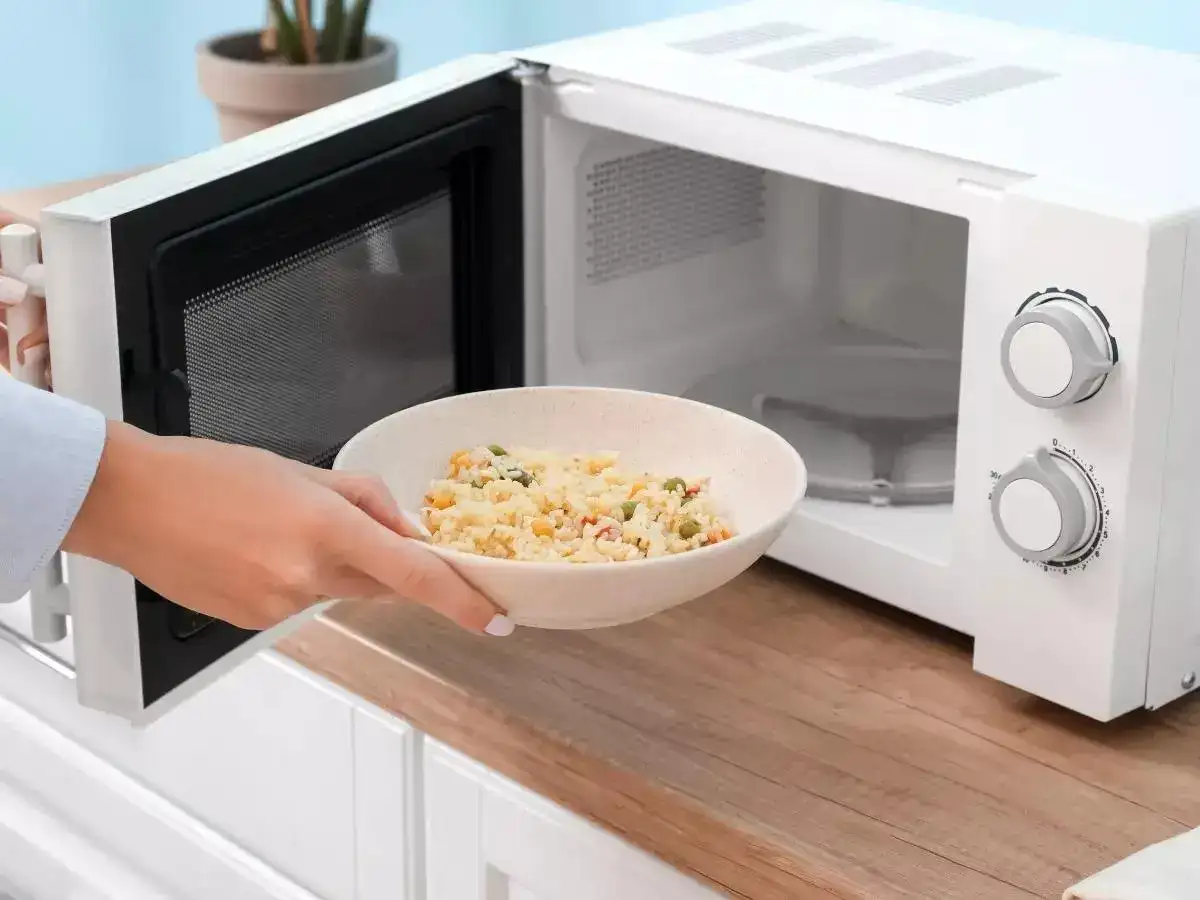
If cooked rice is left at room temperature for extended periods, bacteria can multiply and produce toxins that may not be destroyed by reheating. When reheating rice, it should have been stored properly in the refrigerator and heated thoroughly until steaming hot throughout.
Following good food storage safety practices is essential when dealing with leftover rice.
In some cases, this pressure can cause the egg to burst when cut or bitten into after reheating. While the egg itself remains edible, the experience can be unpleasant and potentially hazardous.
If eggs need warming, gentler methods such as warm water baths are often preferable.
These vegetables are best enjoyed fresh or cooked only once. Excessive reheating may diminish their quality, leaving them wilted and less appealing. Proper preparation and portion planning can help reduce the need for reheating.
Maintaining healthy kitchen habits often begins with preparing suitable serving sizes.
The microwave tends to soften crispy coatings, resulting in soggy and less appetising food. Although not necessarily unsafe, the quality can decline significantly.
An oven, air fryer or stovetop often provides better results for preserving crispness and flavour.
Microwave reheating may heat seafood unevenly, leaving some portions excessively hot while others remain cool. This can affect both taste and texture.
For leftovers, gentle reheating methods can help maintain quality while ensuring the food reaches a safe serving temperature.
Cold spots can remain in thicker portions if the food is not stirred, rotated or allowed to rest after heating. Uneven reheating may affect both quality and food safety.
When reheating chicken, ensure it is steaming hot throughout before consumption.
These hot areas can pose a risk of burns. Gentle warming methods that allow for more even heating are typically preferred.
Careful temperature checks are always important before serving food to infants.
Stirring during reheating is essential to distribute heat evenly and improve consistency. Covering the container can also help prevent splattering while allowing food to warm more uniformly.
These simple microwave cooking tips can improve both safety and convenience.
The varying fat and moisture content within these foods can create temperature inconsistencies. While they can generally be reheated safely, careful heating and temperature monitoring are recommended.
Allowing the food to stand briefly after microwaving helps heat distribute more evenly.
Repeated heating may make mushrooms rubbery or less appealing. If leftovers must be reheated, doing so carefully and only once is generally advisable.
Proper storage remains an important factor in preserving quality.
This can create hot spots and cold spots, particularly in dense dishes. Stirring, rotating and allowing food to rest after heating can help achieve more consistent temperatures.
Understanding these principles can significantly improve microwave food safety .
Using microwave-safe containers, covering food appropriately and ensuring thorough heating can all contribute to safer results. Whenever possible, leftovers should only be reheated once.
Combining proper storage with effective reheating food safely practices helps maintain both quality and safety.
Microwaves remain one of the most convenient tools in modern kitchens, but not every food responds well to this method of reheating. Foods such as rice, eggs, seafood, fried items and leafy greens require extra care to preserve quality and minimise potential risks. By understanding how different foods behave during reheating and following sensible food storage safety guidelines, households can enjoy leftovers more safely while making the most of their meals.
Cooked Rice
Rice is one of the most frequently reheated foods in households around the world. Contrary to popular belief, the concern is not the reheating process itself but how the rice was stored after cooking.If cooked rice is left at room temperature for extended periods, bacteria can multiply and produce toxins that may not be destroyed by reheating. When reheating rice, it should have been stored properly in the refrigerator and heated thoroughly until steaming hot throughout.
Following good food storage safety practices is essential when dealing with leftover rice.
Hard-Boiled Eggs
Hard-boiled eggs can be problematic when reheated in a microwave. Moisture trapped inside the egg may build up pressure during heating.In some cases, this pressure can cause the egg to burst when cut or bitten into after reheating. While the egg itself remains edible, the experience can be unpleasant and potentially hazardous.
If eggs need warming, gentler methods such as warm water baths are often preferable.
Leafy Green Vegetables
Vegetables such as spinach, kale and other leafy greens can lose texture and flavour when reheated repeatedly.These vegetables are best enjoyed fresh or cooked only once. Excessive reheating may diminish their quality, leaving them wilted and less appealing. Proper preparation and portion planning can help reduce the need for reheating.
Maintaining healthy kitchen habits often begins with preparing suitable serving sizes.
Fried Foods
French fries, fried chicken and similar foods rarely retain their original texture after microwave reheating.The microwave tends to soften crispy coatings, resulting in soggy and less appetising food. Although not necessarily unsafe, the quality can decline significantly.
An oven, air fryer or stovetop often provides better results for preserving crispness and flavour.
Seafood
Seafood requires careful handling due to its delicate texture and tendency to develop strong aromas when reheated.Microwave reheating may heat seafood unevenly, leaving some portions excessively hot while others remain cool. This can affect both taste and texture.
For leftovers, gentle reheating methods can help maintain quality while ensuring the food reaches a safe serving temperature.
Chicken
Chicken can be safely reheated when stored correctly and heated thoroughly. However, microwaves may sometimes warm chicken unevenly.Cold spots can remain in thicker portions if the food is not stirred, rotated or allowed to rest after heating. Uneven reheating may affect both quality and food safety.
When reheating chicken, ensure it is steaming hot throughout before consumption.
Breast Milk And Baby Food
Microwave reheating is generally discouraged for breast milk and baby food because it can create hot spots that may not be immediately visible.These hot areas can pose a risk of burns. Gentle warming methods that allow for more even heating are typically preferred.
Careful temperature checks are always important before serving food to infants.
Sauces And Gravies
Thick sauces and gravies can heat unevenly in the microwave. They may become extremely hot on the surface while remaining cooler underneath.Stirring during reheating is essential to distribute heat evenly and improve consistency. Covering the container can also help prevent splattering while allowing food to warm more uniformly.
These simple microwave cooking tips can improve both safety and convenience.
Processed Meats
Processed meats such as sausages and certain deli products may heat unevenly when microwaved.The varying fat and moisture content within these foods can create temperature inconsistencies. While they can generally be reheated safely, careful heating and temperature monitoring are recommended.
Allowing the food to stand briefly after microwaving helps heat distribute more evenly.
Mushrooms
Mushrooms are often best enjoyed immediately after cooking. Their texture can change considerably when reheated, particularly in a microwave.You may also like
- 16 Amazing Benefits of Honey for Skin and Hair
- 8 DIY Ways To Treat Dark Lips
- This YouTube feature could spell the end for WhatsApp: Send messages right within the app—here's how it works..
- PM Kisan: Want the next installment of the scheme? Do this immediately, or else the payment could get stuck..
- Quote by environmentalist and Nobel Peace Prize laureate Wangari Maathai: "Until you dig a hole, you plant a tree, you water it and make it survive, you haven't done a thing. You are just talking"
Repeated heating may make mushrooms rubbery or less appealing. If leftovers must be reheated, doing so carefully and only once is generally advisable.
Proper storage remains an important factor in preserving quality.
Why Even Heating Matters
One of the biggest challenges associated with microwave reheating is uneven heat distribution. Microwaves work by exciting water molecules within food, but not all foods absorb energy uniformly.This can create hot spots and cold spots, particularly in dense dishes. Stirring, rotating and allowing food to rest after heating can help achieve more consistent temperatures.
Understanding these principles can significantly improve microwave food safety .
Smart Tips For Reheating Food Safely
Safe reheating begins long before the microwave is switched on. Foods should be cooled promptly after cooking and stored correctly in the refrigerator.Using microwave-safe containers, covering food appropriately and ensuring thorough heating can all contribute to safer results. Whenever possible, leftovers should only be reheated once.
Combining proper storage with effective reheating food safely practices helps maintain both quality and safety.
Microwaves remain one of the most convenient tools in modern kitchens, but not every food responds well to this method of reheating. Foods such as rice, eggs, seafood, fried items and leafy greens require extra care to preserve quality and minimise potential risks. By understanding how different foods behave during reheating and following sensible food storage safety guidelines, households can enjoy leftovers more safely while making the most of their meals.






More from our partners


Loving Newspoint? Download the app now
