
Moringa Benefits: 6 Easy Ways to Add This Nutrient-Rich Superfood to Your Daily Diet

Moringa benefits go beyond its reputation as a nutrient-rich superfood. Also known as the drumstick tree, moringa is valued for its leaves, which contain vitamins, minerals, fibre and plant compounds that may support overall health. From helping maintain healthy blood sugar levels to supporting digestion and immune function, moringa can be a nutritious addition to a balanced diet. The best part is that you do not need to change your eating habits significantly to enjoy it. Here are six simple and delicious ways to include moringa in your everyday meals.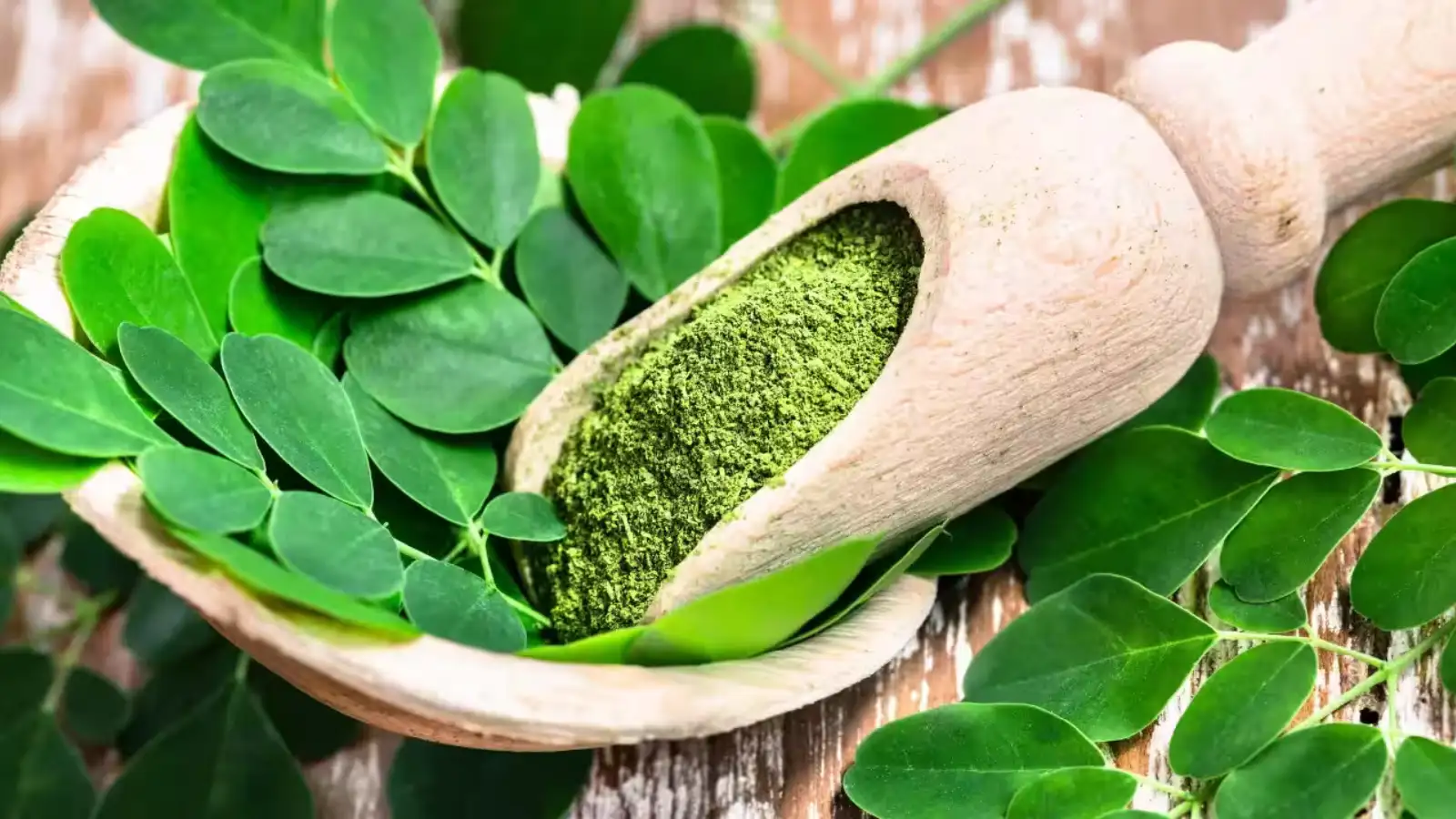
Research is exploring the potential health benefits of moringa , particularly its antioxidant and anti-inflammatory properties. Some studies have also investigated its possible role in blood sugar regulation and other aspects of metabolic health. However, more human research is needed to establish these effects conclusively.
Including moringa in everyday meals can help diversify your diet, especially when combined with vegetables, whole grains, pulses, fruits and other nutrient-rich foods.
To prepare them, combine moringa powder with wheat flour, a little ghee and jaggery. Add chopped nuts, sesame seeds and a pinch of cardamom for extra flavour. Mix the ingredients thoroughly and shape the mixture into small laddoos.
These homemade treats can be enjoyed as an occasional snack. However, remember that jaggery and ghee contribute sugar and calories, so portion size matters, particularly for people monitoring their blood sugar levels.
Blend a handful of fresh moringa leaves with one banana, yoghurt, a little honey and water until smooth. You can also add chia seeds for extra fibre and texture. Adjust the consistency by adding more water or yoghurt, depending on your preference.
This smoothie combines leafy greens with fruit and yoghurt, making it a convenient breakfast accompaniment or snack. For a more filling meal, consider pairing it with oats, whole-grain toast or another source of protein.
Start by cooking toor dal until soft. In a separate pan, sauté chopped onions, tomatoes, garlic and green chillies with your preferred spices. Add fresh moringa leaves and allow them to cook before mixing everything with the prepared dal. Simmer until the flavours combine, then finish with a tempering of ghee and spices.
Serve the dal hot with steamed rice or whole-wheat roti. The combination of lentils and leafy greens makes this a practical everyday meal, providing protein from the dal alongside fibre and other nutrients from the moringa leaves.
To make them, finely chop fresh moringa leaves and combine them with whole-wheat flour, chopped onions, green chillies and ajwain. Add water gradually and knead the ingredients into a soft dough. Roll out individual portions and cook them on a hot tawa until both sides are cooked. Use a small amount of ghee or oil for flavour.
You can adjust the quantity of moringa according to your taste. Pair the parathas with plain yoghurt or a protein-rich accompaniment to make the meal more balanced.
Wash the fresh moringa leaves thoroughly and prepare them according to your preferred recipe. Blend them with grated coconut, green chillies, ginger and lemon juice. Add a little water to achieve the desired consistency, along with salt to taste.
Serve the chutney with idli, dosa, roti or parathas. You can also use it as a spread for sandwiches and wraps. Since homemade chutney is easy to prepare in small quantities, it can become a regular part of your meal rotation.
To make the tea, add a small quantity of clean moringa leaves to hot water and allow them to steep for several minutes. Strain the liquid before serving. A squeeze of lemon can add freshness, while a little honey can provide sweetness if desired.
You can enjoy the drink warm as part of your daily routine. However, moringa tea should not be considered a treatment for diabetes, inflammation or other health conditions. Its benefits depend on the overall quality of your diet and lifestyle.
If you are new to moringa, start with a small quantity in food and see how your body responds. Wash fresh leaves thoroughly and buy dried powder from a reliable source. Avoid assuming that concentrated moringa supplements offer the same benefits or safety profile as using the leaves in everyday cooking.
People taking medication for diabetes or blood pressure, those who are pregnant or breastfeeding, and anyone with an existing medical condition should consult a healthcare professional before using concentrated moringa supplements regularly. Moringa should not replace prescribed medicines or medical advice.
Moringa can be an easy and versatile addition to a balanced diet. Whether you mix it into laddoos, blend it into a smoothie, add it to dal or prepare a fresh chutney, there are plenty of ways to enjoy its nutritional value.
Rather than relying on moringa as a miracle food, focus on using it alongside a varied diet, regular physical activity and healthy daily habits. These simple choices are more useful for supporting long-term health and well-being.
What Makes Moringa So Nutritious?
Moringa leaves contain several beneficial plant compounds, including flavonoids, polyphenols and alkaloids. They also provide dietary fibre and other nutrients that contribute to a healthy diet.Research is exploring the potential health benefits of moringa , particularly its antioxidant and anti-inflammatory properties. Some studies have also investigated its possible role in blood sugar regulation and other aspects of metabolic health. However, more human research is needed to establish these effects conclusively.
Including moringa in everyday meals can help diversify your diet, especially when combined with vegetables, whole grains, pulses, fruits and other nutrient-rich foods.
1. Make Nutritious Moringa Laddoos
If you enjoy traditional Indian sweets, moringa laddoos offer an easy way to experiment with this leafy green. Adding moringa leaf powder to homemade laddoos introduces its nutrients without significantly changing the familiar taste and texture.To prepare them, combine moringa powder with wheat flour, a little ghee and jaggery. Add chopped nuts, sesame seeds and a pinch of cardamom for extra flavour. Mix the ingredients thoroughly and shape the mixture into small laddoos.
These homemade treats can be enjoyed as an occasional snack. However, remember that jaggery and ghee contribute sugar and calories, so portion size matters, particularly for people monitoring their blood sugar levels.
2. Start Your Morning with a Moringa Smoothie
A moringa smoothie is a refreshing option for anyone looking to add more greens to their breakfast routine. Its mild earthy flavour pairs well with naturally sweet fruits such as bananas.Blend a handful of fresh moringa leaves with one banana, yoghurt, a little honey and water until smooth. You can also add chia seeds for extra fibre and texture. Adjust the consistency by adding more water or yoghurt, depending on your preference.
This smoothie combines leafy greens with fruit and yoghurt, making it a convenient breakfast accompaniment or snack. For a more filling meal, consider pairing it with oats, whole-grain toast or another source of protein.
3. Add Moringa Leaves to Everyday Dal
Dal is a staple in many Indian households, and adding moringa leaves is a simple way to make this familiar dish more varied and nutritious.Start by cooking toor dal until soft. In a separate pan, sauté chopped onions, tomatoes, garlic and green chillies with your preferred spices. Add fresh moringa leaves and allow them to cook before mixing everything with the prepared dal. Simmer until the flavours combine, then finish with a tempering of ghee and spices.
Serve the dal hot with steamed rice or whole-wheat roti. The combination of lentils and leafy greens makes this a practical everyday meal, providing protein from the dal alongside fibre and other nutrients from the moringa leaves.
4. Prepare Healthy Moringa Parathas
Moringa parathas are another easy option for incorporating leafy greens into traditional Indian food. They work well for breakfast, lunch or dinner and can be served with curd, raita or a homemade chutney.To make them, finely chop fresh moringa leaves and combine them with whole-wheat flour, chopped onions, green chillies and ajwain. Add water gradually and knead the ingredients into a soft dough. Roll out individual portions and cook them on a hot tawa until both sides are cooked. Use a small amount of ghee or oil for flavour.
You can adjust the quantity of moringa according to your taste. Pair the parathas with plain yoghurt or a protein-rich accompaniment to make the meal more balanced.
5. Blend a Fresh Moringa Chutney
If you prefer something quick and flavourful, moringa chutney is a convenient way to include the leaves in your regular meals. Its combination of greens, coconut, ginger and lemon creates a refreshing accompaniment for Indian dishes.Wash the fresh moringa leaves thoroughly and prepare them according to your preferred recipe. Blend them with grated coconut, green chillies, ginger and lemon juice. Add a little water to achieve the desired consistency, along with salt to taste.
Serve the chutney with idli, dosa, roti or parathas. You can also use it as a spread for sandwiches and wraps. Since homemade chutney is easy to prepare in small quantities, it can become a regular part of your meal rotation.
6. Sip a Warm Cup of Moringa Tea
Moringa tea is a simple alternative for people who prefer drinking their greens rather than adding them to meals. It can be prepared using fresh leaves or dried moringa leaves.To make the tea, add a small quantity of clean moringa leaves to hot water and allow them to steep for several minutes. Strain the liquid before serving. A squeeze of lemon can add freshness, while a little honey can provide sweetness if desired.
You can enjoy the drink warm as part of your daily routine. However, moringa tea should not be considered a treatment for diabetes, inflammation or other health conditions. Its benefits depend on the overall quality of your diet and lifestyle.
How Much Moringa Should You Consume?
There is no universally established daily serving of moringa that has been proven to deliver specific health benefits. The appropriate amount can vary depending on whether you consume fresh leaves, dried powder, tea or supplements.If you are new to moringa, start with a small quantity in food and see how your body responds. Wash fresh leaves thoroughly and buy dried powder from a reliable source. Avoid assuming that concentrated moringa supplements offer the same benefits or safety profile as using the leaves in everyday cooking.
People taking medication for diabetes or blood pressure, those who are pregnant or breastfeeding, and anyone with an existing medical condition should consult a healthcare professional before using concentrated moringa supplements regularly. Moringa should not replace prescribed medicines or medical advice.
Moringa can be an easy and versatile addition to a balanced diet. Whether you mix it into laddoos, blend it into a smoothie, add it to dal or prepare a fresh chutney, there are plenty of ways to enjoy its nutritional value.
Rather than relying on moringa as a miracle food, focus on using it alongside a varied diet, regular physical activity and healthy daily habits. These simple choices are more useful for supporting long-term health and well-being.
Next Story