
5 Most Dangerous Snakes in India That Are as Terrifying as Amazon's Deadliest Reptiles

When people talk about the world's most frightening snakes, the Amazon rainforest often comes to mind. Known for its enormous anacondas, venomous vipers and powerful constrictors, the region is home to some of the most intimidating reptiles on Earth. However, India is no less fascinating when it comes to dangerous snakes. From the mighty King Cobra to the highly venomous Common Krait , the country has several snake species that can match the reputation of their Amazonian counterparts. Found in forests, grasslands, wetlands and even near human settlements, these reptiles have remarkable survival abilities and potentially dangerous defences. Here are five of the most dangerous snakes in India that deserve just as much attention as the Amazon's deadliest species.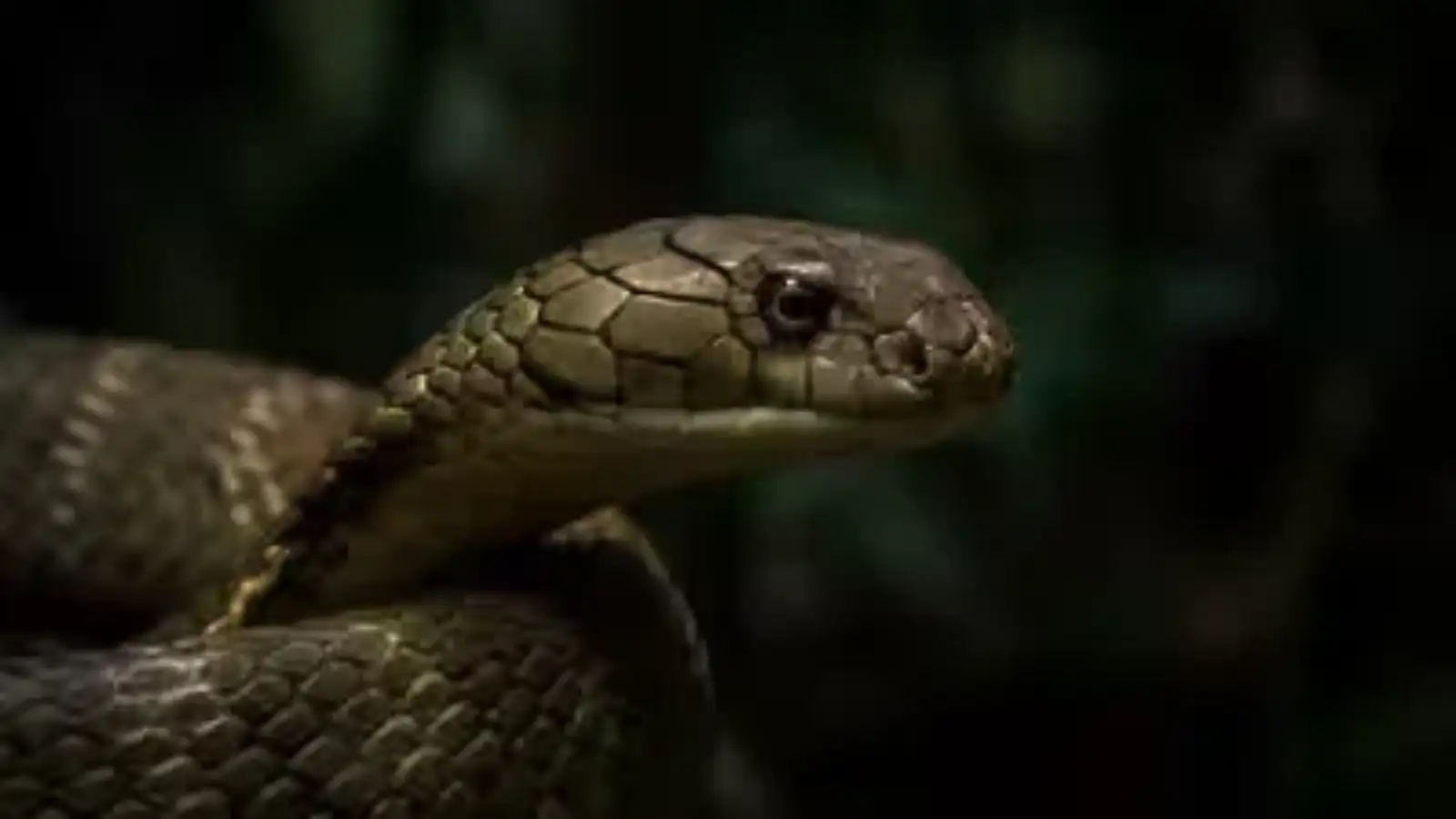
What makes the King Cobra particularly intimidating is its defensive behaviour. When threatened, it can raise a significant portion of its body above the ground, sometimes reaching eye level with an adult human. It also produces a distinctive, deep hiss that can sound surprisingly similar to a growl.
Its venom attacks the nervous system and can cause respiratory failure. A large quantity of venom can be extremely dangerous and potentially fatal. Despite its fearsome reputation, the King Cobra generally prefers avoiding human encounters and becomes aggressive mainly when it feels threatened, particularly when protecting its nest.
Its brown body, covered with distinctive dark patches, provides excellent camouflage in dry leaves, grass and agricultural fields. Unlike many snakes that quickly move away when they sense approaching footsteps, Russell's Viper may remain motionless, making it difficult to notice until someone gets dangerously close.
When disturbed, it produces a loud, warning hiss before delivering a rapid strike. Its venom affects the body's blood-clotting process and can cause severe internal bleeding, kidney complications and other life-threatening conditions.
Because it frequently inhabits agricultural areas and places close to human settlements, accidental encounters are a major concern, particularly during farming activities.
One of its most concerning characteristics is its nocturnal behaviour. Common Kraits are often active after dark and may enter houses in rural areas while searching for rodents or shelter. They can sometimes hide in bedding, footwear or dark corners, increasing the possibility of accidental encounters.
Its bite can be deceptively painless. The small bite marks may produce little swelling or immediate discomfort, causing people to underestimate the danger. However, the venom can progressively affect the nervous system and interfere with the muscles responsible for breathing.
In some cases, symptoms may develop while a person is asleep, making immediate medical attention especially important. The Common Krait is a reminder that a snake does not need to be large or aggressive to be extremely dangerous.
This powerful snake can grow beyond 15 feet in length, although its size varies considerably. It is commonly found in forests, grasslands, wetlands and areas near rivers. Its natural colouring helps it blend into the surroundings, allowing it to remain hidden while waiting for suitable prey.
The Indian Rock Python catches animals using its sharp, backward-curving teeth before wrapping its muscular body around them. It then uses constriction to prevent normal breathing and blood circulation, eventually killing its prey.
Its diet includes birds, rodents and mammals, and larger individuals can prey on animals such as deer. Despite its impressive size and hunting abilities, the Indian Rock Python is generally not interested in humans and usually avoids confrontation.
This venomous snake is known for its striking colour variations, which include green, yellow, brown and reddish shades. Its appearance allows it to blend remarkably well with leaves, branches and vegetation in its forest habitat.
One of its most interesting adaptations is the presence of heat-sensing pits between its eyes and nostrils. These specialised organs help it detect warm-blooded prey, making hunting easier even in low-light conditions.
The Malabar Pit Viper often rests on branches or among dense vegetation, waiting for small animals to approach. During the monsoon, when hikers and wildlife enthusiasts explore the Western Ghats, accidental encounters can happen if someone brushes against vegetation without noticing the snake.
Although its venom is not generally considered as dangerous as that of India's most medically significant snake species, its bite can cause considerable pain, swelling and local tissue damage. Giving this well-camouflaged reptile plenty of space is the safest approach.
A few simple precautions can significantly reduce the risk of an encounter:
1. King Cobra: The World's Longest Venomous Snake
The Amazon has the South American Bushmaster, one of the longest venomous snakes in the Americas. However, India's King Cobra (Ophiophagus hannah) takes things to another level. Recognised as the world's longest venomous snake, it can grow up to 18 feet in length, making it an extraordinary sight in the wild.What makes the King Cobra particularly intimidating is its defensive behaviour. When threatened, it can raise a significant portion of its body above the ground, sometimes reaching eye level with an adult human. It also produces a distinctive, deep hiss that can sound surprisingly similar to a growl.
Its venom attacks the nervous system and can cause respiratory failure. A large quantity of venom can be extremely dangerous and potentially fatal. Despite its fearsome reputation, the King Cobra generally prefers avoiding human encounters and becomes aggressive mainly when it feels threatened, particularly when protecting its nest.
2. Russell's Viper : A Master of Ambush
The Amazonian Fer-de-Lance is notorious for its powerful venom and ability to remain hidden among fallen leaves. India's Russell's Viper (Daboia russelii) has a similarly frightening reputation and is among the major contributors to serious snakebite incidents in the country.Its brown body, covered with distinctive dark patches, provides excellent camouflage in dry leaves, grass and agricultural fields. Unlike many snakes that quickly move away when they sense approaching footsteps, Russell's Viper may remain motionless, making it difficult to notice until someone gets dangerously close.
When disturbed, it produces a loud, warning hiss before delivering a rapid strike. Its venom affects the body's blood-clotting process and can cause severe internal bleeding, kidney complications and other life-threatening conditions.
Because it frequently inhabits agricultural areas and places close to human settlements, accidental encounters are a major concern, particularly during farming activities.
3. Common Krait: The Silent Night-Time Threat
Some snakes are frightening because of their size, while others are dangerous because they are incredibly difficult to detect. The Common Krait (Bungarus caeruleus) belongs to the latter category. Much like certain South American coral snakes, this Indian species has highly potent neurotoxic venom that can cause severe paralysis.One of its most concerning characteristics is its nocturnal behaviour. Common Kraits are often active after dark and may enter houses in rural areas while searching for rodents or shelter. They can sometimes hide in bedding, footwear or dark corners, increasing the possibility of accidental encounters.
Its bite can be deceptively painless. The small bite marks may produce little swelling or immediate discomfort, causing people to underestimate the danger. However, the venom can progressively affect the nervous system and interfere with the muscles responsible for breathing.
In some cases, symptoms may develop while a person is asleep, making immediate medical attention especially important. The Common Krait is a reminder that a snake does not need to be large or aggressive to be extremely dangerous.
4. Indian Rock Python : A Giant That Relies on Strength
South America has the Green Anaconda, one of the heaviest snakes in the world. India, meanwhile, is home to the impressive Indian Rock Python (Python molurus), a large non-venomous constrictor that relies on its immense strength rather than poisonous venom.This powerful snake can grow beyond 15 feet in length, although its size varies considerably. It is commonly found in forests, grasslands, wetlands and areas near rivers. Its natural colouring helps it blend into the surroundings, allowing it to remain hidden while waiting for suitable prey.
The Indian Rock Python catches animals using its sharp, backward-curving teeth before wrapping its muscular body around them. It then uses constriction to prevent normal breathing and blood circulation, eventually killing its prey.
Its diet includes birds, rodents and mammals, and larger individuals can prey on animals such as deer. Despite its impressive size and hunting abilities, the Indian Rock Python is generally not interested in humans and usually avoids confrontation.
5. Malabar Pit Viper : The Camouflaged Hunter of the Western Ghats
The Amazon rainforest is famous for its colourful Eyelash Vipers, which use their surroundings to remain almost invisible among tree branches. India's Western Ghats have their own remarkable ambush predator: the Malabar Pit Viper (Craspedocephalus malabaricus).This venomous snake is known for its striking colour variations, which include green, yellow, brown and reddish shades. Its appearance allows it to blend remarkably well with leaves, branches and vegetation in its forest habitat.
One of its most interesting adaptations is the presence of heat-sensing pits between its eyes and nostrils. These specialised organs help it detect warm-blooded prey, making hunting easier even in low-light conditions.
The Malabar Pit Viper often rests on branches or among dense vegetation, waiting for small animals to approach. During the monsoon, when hikers and wildlife enthusiasts explore the Western Ghats, accidental encounters can happen if someone brushes against vegetation without noticing the snake.
Although its venom is not generally considered as dangerous as that of India's most medically significant snake species, its bite can cause considerable pain, swelling and local tissue damage. Giving this well-camouflaged reptile plenty of space is the safest approach.
How to Stay Safe Around Dangerous Snakes in India
India's dangerous snakes may look intimidating, but they do not normally seek out humans as prey. Most snakebite incidents happen when people accidentally step on a snake, disturb its hiding place or attempt to handle or kill it.A few simple precautions can significantly reduce the risk of an encounter:
- Watch where you walk: Be particularly careful in tall grass, forests, agricultural fields and areas with fallen leaves.
- Use a torch at night: Avoid walking through dark outdoor areas without proper lighting.
- Wear protective footwear: Shoes and long trousers can offer additional protection when walking through vegetation.
- Keep surroundings clean: Removing piles of rubbish, debris and materials that attract rodents can discourage snakes from entering residential spaces.
- Never attempt to handle a snake: Even non-venomous species can bite when frightened or cornered.
- Seek immediate medical attention: If someone is bitten, keep them as still as possible and take them to a hospital immediately. Do not cut the wound, suck out venom or apply a tight tourniquet.
Next Story
