
Planning A Mountain Trek? Basic Health Checks You Shouldn't Skip

Mountain trekking can be an exciting way to explore dramatic landscapes, challenge your fitness and spend time outdoors. However, walking for hours on uneven terrain, climbing to higher altitudes and dealing with unpredictable weather can put additional demands on the body.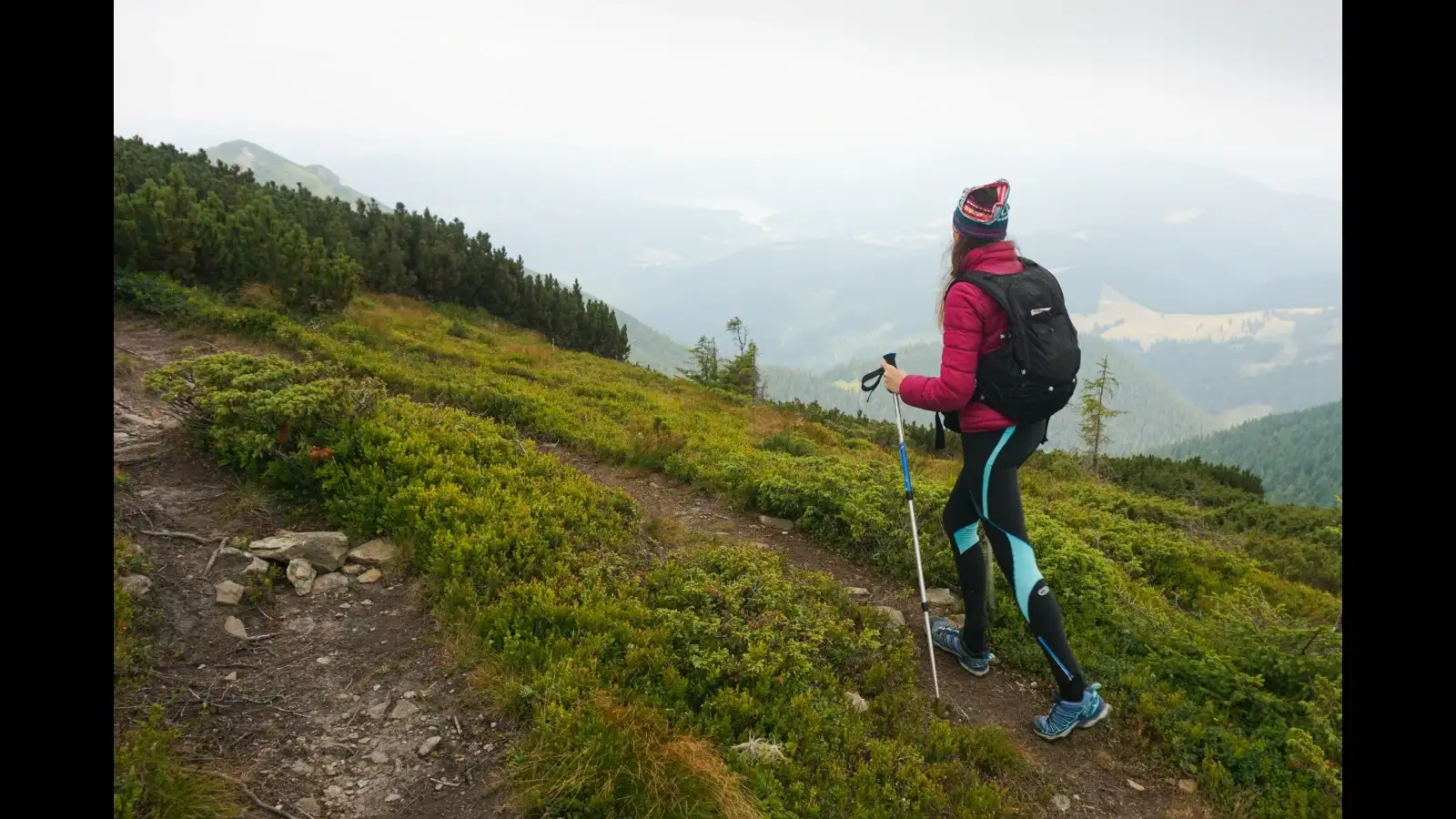
That is why mountain trek health checks should be part of your preparation, particularly if you are planning a challenging or high altitude trek. Being physically active does not automatically mean you are prepared for every trekking condition. A basic health assessment can help identify concerns that may need attention before you travel.
A medical consultation can help determine whether your planned activity level is appropriate and whether you need any additional assessment.
Also Read: 4 Smallest Hill Stations in India for a Peaceful Mountain Getaway
Understanding your usual exercise tolerance can also help you recognise unusual breathlessness during training or the trek itself.
Do not change or stop prescribed medicines simply because you are preparing for a trek. Discuss any concerns with your healthcare professional.
Start training gradually rather than attempting an intense workout immediately before your trip. Walking, strength exercises and cardiovascular activity can help build endurance for longer treks.
A healthcare professional can advise you based on your itinerary, medical history and individual circumstances.
It can also be useful to carry necessary medicines, medical information and emergency contact details in an easily accessible place.
The goal of these trekking health tips is not to create unnecessary worry, but to help you understand your body's limitations and prepare accordingly.
A successful mountain adventure starts well before you reach the trailhead. Combine sensible training, appropriate equipment, adequate hydration and proper acclimatisation with a health assessment when needed. Most importantly, listen to your body during the trek and seek medical help if you experience concerning symptoms.
That is why mountain trek health checks should be part of your preparation, particularly if you are planning a challenging or high altitude trek. Being physically active does not automatically mean you are prepared for every trekking condition. A basic health assessment can help identify concerns that may need attention before you travel.
Check Your Heart Health
Trekking often involves prolonged walking and steep climbs, which can increase your heart rate. If you have a history of heart-related concerns, chest discomfort, unusual breathlessness or other symptoms during physical activity, speak to a healthcare professional before undertaking a demanding trek.A medical consultation can help determine whether your planned activity level is appropriate and whether you need any additional assessment.
Also Read: 4 Smallest Hill Stations in India for a Peaceful Mountain Getaway
Assess Your Lungs And Breathing
Your breathing can become more demanding as you climb, particularly at higher altitudes. People with existing respiratory conditions should discuss their trekking plans with a doctor beforehand.Understanding your usual exercise tolerance can also help you recognise unusual breathlessness during training or the trek itself.
Check Your Blood Pressure
A health check before trekking may include a blood pressure assessment. Knowing your usual blood pressure can be useful, especially if you take medication or have previously been advised to monitor it.Do not change or stop prescribed medicines simply because you are preparing for a trek. Discuss any concerns with your healthcare professional.
You may also like
- In the 2010s, Leonardo DiCaprio became a serious real estate investor: Inside the properties behind his Hollywood portfolio
- 'My daughter was ill, yet I was forced to work...': Woman's protest over termination claims sparks debate on workplace harassment
- Headache Striking Suddenly? This Simple Salt-and-Water Trick Is Being Shared for Quick Relief
- Health Tips: If you consume dry fruits daily, you will get many benefits, you can include them in your diet
- A spectacular confluence of classical dances unfolds in Pune
Review Your Fitness Level
One of the most useful parts of mountain trekking preparation is honestly assessing your fitness. Consider whether you can comfortably walk for several hours, climb stairs and carry a moderately weighted backpack.Start training gradually rather than attempting an intense workout immediately before your trip. Walking, strength exercises and cardiovascular activity can help build endurance for longer treks.
Consider High-Altitude Risks
If your route reaches significant altitude, learn about high altitude trekking and the symptoms of altitude-related illness before leaving. Headache, dizziness, nausea, unusual tiredness and breathlessness can occur at altitude and should not simply be ignored.A healthcare professional can advise you based on your itinerary, medical history and individual circumstances.
Review Existing Health Conditions
If you have a long-term health condition, previous injuries, allergies or regularly take medicines, include these factors in your trekking preparation.It can also be useful to carry necessary medicines, medical information and emergency contact details in an easily accessible place.
Do Not Forget Basic Checks
Depending on your health, age and the difficulty of the trek, a healthcare professional may recommend additional assessments. The appropriate checks can vary from person to person, so there is no single list of tests that every trekker needs.The goal of these trekking health tips is not to create unnecessary worry, but to help you understand your body's limitations and prepare accordingly.
A successful mountain adventure starts well before you reach the trailhead. Combine sensible training, appropriate equipment, adequate hydration and proper acclimatisation with a health assessment when needed. Most importantly, listen to your body during the trek and seek medical help if you experience concerning symptoms.






Loving Newspoint? Download the app now
