
Mushrooms During Monsoon: Safe to Eat or Not? Here's What Experts Say

Mushrooms are valued for their earthy flavour, versatility and impressive nutritional profile. They can be found in soups, stir-fries, curries and salads, making them a favourite ingredient in many kitchens. However, once the monsoon arrives, questions about their safety often begin to surface. Since mushrooms naturally thrive in damp conditions, many people wonder whether eating them during the rainy season increases the risk of foodborne illness. The good news is that mushrooms can still be a healthy part of your diet during monsoon, provided they are fresh, properly stored and thoroughly cooked. Understanding the facts can help you enjoy them safely while making the most of their health benefits.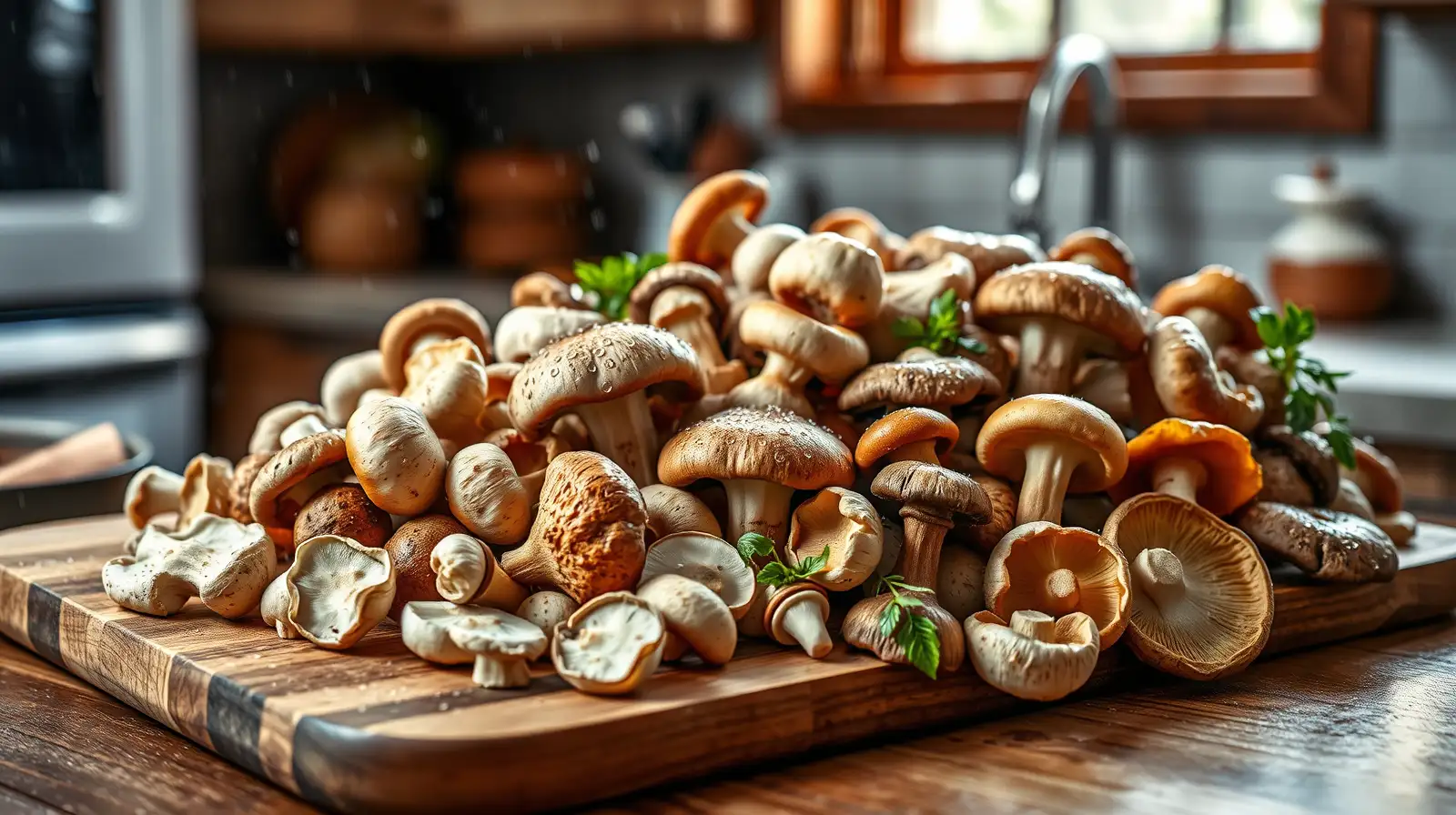
If mushrooms are stored incorrectly or kept for too long, they can spoil quickly. Eating stale or contaminated mushrooms may increase the risk of digestive problems or food poisoning. This is why freshness and proper handling become especially important during monsoon.
They are also a good source of antioxidants such as ergothioneine and glutathione. These compounds help protect the body's cells from oxidative stress and support overall health.
Their fibre content also contributes to healthy digestion, while their naturally savoury flavour makes them an excellent ingredient for nutritious meals without excessive fat or salt.
Fresh mushrooms should appear firm, dry and free from slimy patches or unpleasant odours. They should be refrigerated soon after purchase and ideally consumed within a few days.
Cooking mushrooms properly helps destroy many harmful microorganisms that may be present on the surface. Raw mushrooms are generally less suitable during the rainy season because thorough cooking adds an extra layer of food safety.
Avoid mushrooms that look shrivelled, sticky or discoloured. Store them in a paper bag or their original breathable packaging rather than sealing them inside airtight plastic bags, which can trap moisture and speed up spoilage.
Before cooking, wipe mushrooms gently with a damp cloth or rinse them quickly under running water, then dry them immediately to prevent excess moisture.
Another interesting fact is that mushrooms naturally produce vitamin D when exposed to ultraviolet light, much like human skin produces vitamin D from sunlight. Some commercially available mushrooms are deliberately exposed to UV light to increase their vitamin D content before reaching consumers.
Mushrooms remain a nutritious choice when handled safely, allowing people to enjoy their health benefits without unnecessary concern.
Why Mushrooms Raise Concerns During Monsoon
The rainy season creates warm and humid conditions that encourage the growth of bacteria, mould and fungi. Fresh mushrooms contain a high amount of moisture, making them more perishable than many other vegetables.If mushrooms are stored incorrectly or kept for too long, they can spoil quickly. Eating stale or contaminated mushrooms may increase the risk of digestive problems or food poisoning. This is why freshness and proper handling become especially important during monsoon.
Nutritional Benefits of Mushrooms
Mushrooms may be low in calories, but they are packed with valuable nutrients. They provide B vitamins, selenium, potassium, copper and small amounts of vitamin D, particularly when exposed to sunlight before harvesting.They are also a good source of antioxidants such as ergothioneine and glutathione. These compounds help protect the body's cells from oxidative stress and support overall health.
Their fibre content also contributes to healthy digestion, while their naturally savoury flavour makes them an excellent ingredient for nutritious meals without excessive fat or salt.
Is It Safe to Eat Mushrooms During the Rainy Season?
Yes, mushrooms are generally safe to eat during the monsoon if they are purchased from reliable sources, stored correctly and cooked thoroughly.Fresh mushrooms should appear firm, dry and free from slimy patches or unpleasant odours. They should be refrigerated soon after purchase and ideally consumed within a few days.
Cooking mushrooms properly helps destroy many harmful microorganisms that may be present on the surface. Raw mushrooms are generally less suitable during the rainy season because thorough cooking adds an extra layer of food safety.
You may also like
- Delhi Metro shuts 18 stations amid ongoing CJP protest; interchange facilities to remain available; what travellers need to know
- Amanda Holden's go-to skincare brand reduces £90 vitamin C bundle down to £26
- Snake hiding inside tiny bedroom floor hole leaves internet stunned; Rescuer safely captures it
- Psychology says taking more short holidays may make you happier than one long vacation
- 6 Screaming Signs of Social Awkwardness
How to Choose and Store Mushrooms
Buying fresh mushrooms from trusted supermarkets or local vegetable markets is one of the simplest ways to reduce food safety risks.Avoid mushrooms that look shrivelled, sticky or discoloured. Store them in a paper bag or their original breathable packaging rather than sealing them inside airtight plastic bags, which can trap moisture and speed up spoilage.
Before cooking, wipe mushrooms gently with a damp cloth or rinse them quickly under running water, then dry them immediately to prevent excess moisture.
Lesser-Known Facts About Mushrooms
Many people think mushrooms are vegetables, but they actually belong to the fungi kingdom. There are thousands of mushroom species around the world, although only a relatively small number are commonly eaten.Another interesting fact is that mushrooms naturally produce vitamin D when exposed to ultraviolet light, much like human skin produces vitamin D from sunlight. Some commercially available mushrooms are deliberately exposed to UV light to increase their vitamin D content before reaching consumers.
Why This Matters During Monsoon
Food hygiene becomes particularly important during the rainy season because humidity allows microorganisms to multiply more quickly. Choosing fresh ingredients, cooking food thoroughly and storing perishables correctly can significantly reduce the risk of foodborne illness.Mushrooms remain a nutritious choice when handled safely, allowing people to enjoy their health benefits without unnecessary concern.






Loving Newspoint? Download the app now
