
National Chai Day: Understanding India's Deep-Rooted Passion For Tea

India’s unbreakable bond with chai is a story of tradition, culture, and community. Whether it’s the warmth of a masala chai shared with friends or the exotic flavors of Kashmiri kahwa , tea is much more than just a drink here—it's woven into the fabric of daily life. On National Chai Day 2024, we take a deeper look into this beloved beverage, celebrating its rich history, cultural significance, and diverse varieties across the country.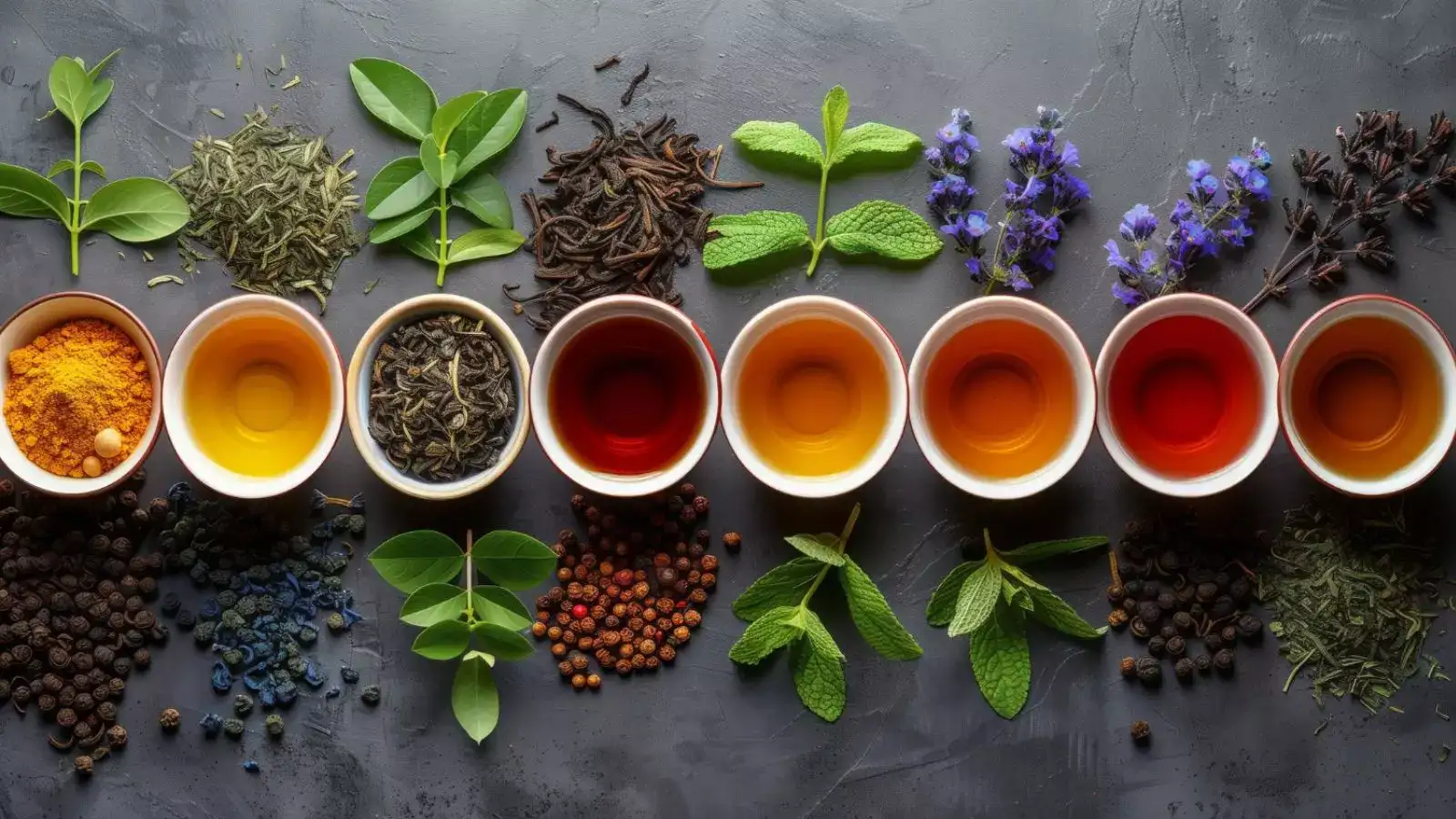
The Story of Chai in India
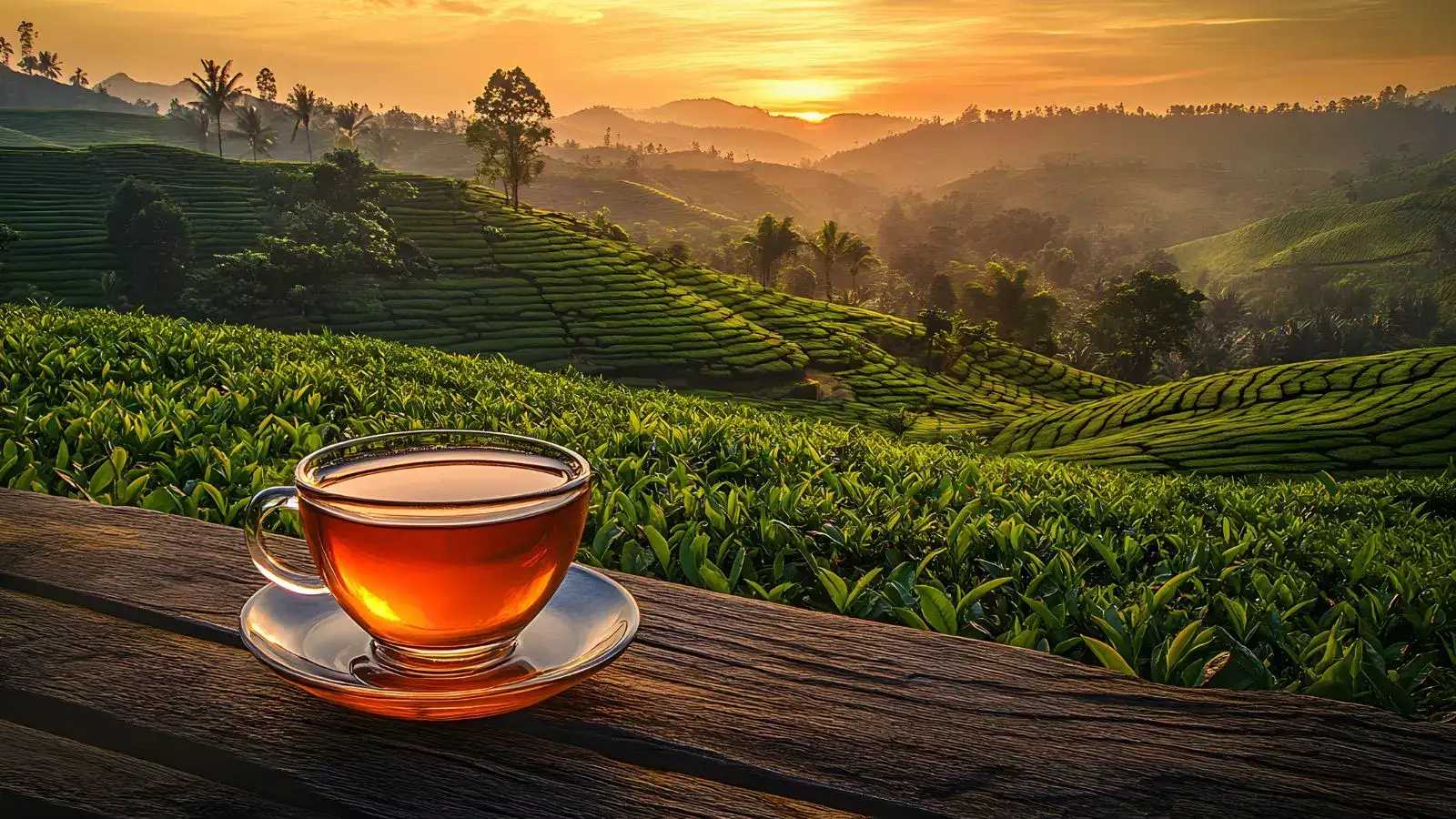
Tea has been an integral part of India for centuries, transcending regions, occasions, and generations. While chai's widespread popularity took off during British colonial rule, Indians added their own spin to this simple drink, transforming it into the aromatic, spice-filled concoction we know today as masala chai. From humble street-side vendors to sophisticated tea houses, chai has found its place in every corner of the nation, becoming a symbol of warmth, hospitality, and community.
The Origins: From Colonial Roots to Indian Spice
Chai’s journey in India began in the 19th century when British colonists started cultivating tea in Assam. While the British preferred their tea with just milk and sugar, Indian households added their own spices—ginger, cardamom, cinnamon, and cloves—to create the masala chai we enjoy today. Over time, tea consumption spread from elite circles to the masses, becoming the iconic beverage it is now.
Health Benefits of Chai
Beyond its comforting taste, chai boasts numerous health benefits. The combination of spices, including ginger, cinnamon, and cardamom, helps in digestion, improves heart health, and boosts immunity. Black tea, the base for most Indian chai, is also rich in antioxidants, making it a soothing yet healthful drink.
Exploring India's Varied Chai Culture
India’s vast cultural diversity reflects in its tea-drinking habits. From the butter-infused chai of Tibet to the floral notes of Kashmiri kahwa, each region has its own unique take on this popular beverage.
Butter Tea (Gur Gur Chai)
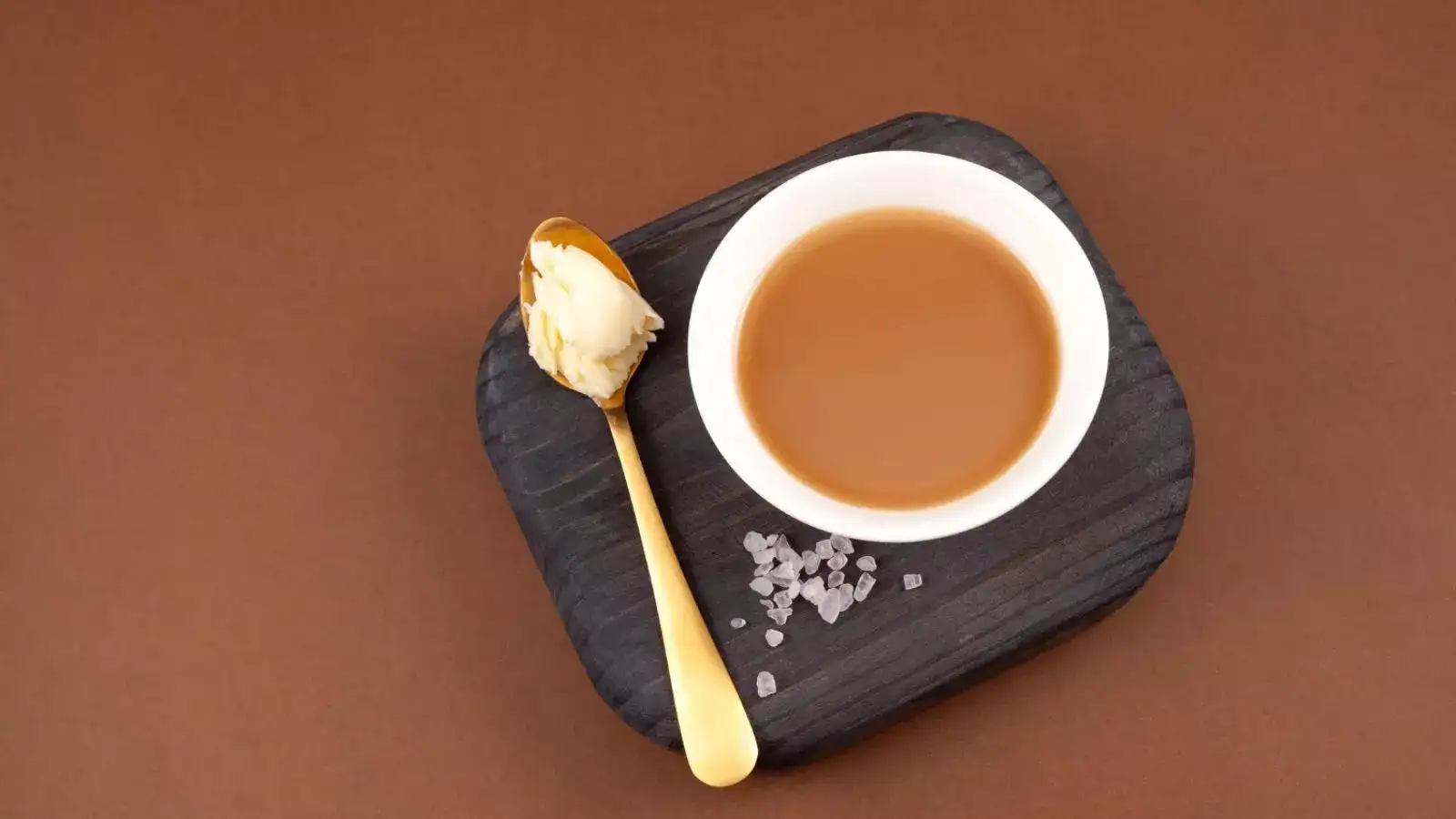
A favorite in Tibet and the Himalayan regions, butter tea is made from tea leaves, yak milk butter, and salt. This hearty drink keeps locals warm in the freezing temperatures.
Kahwa, Kashmir
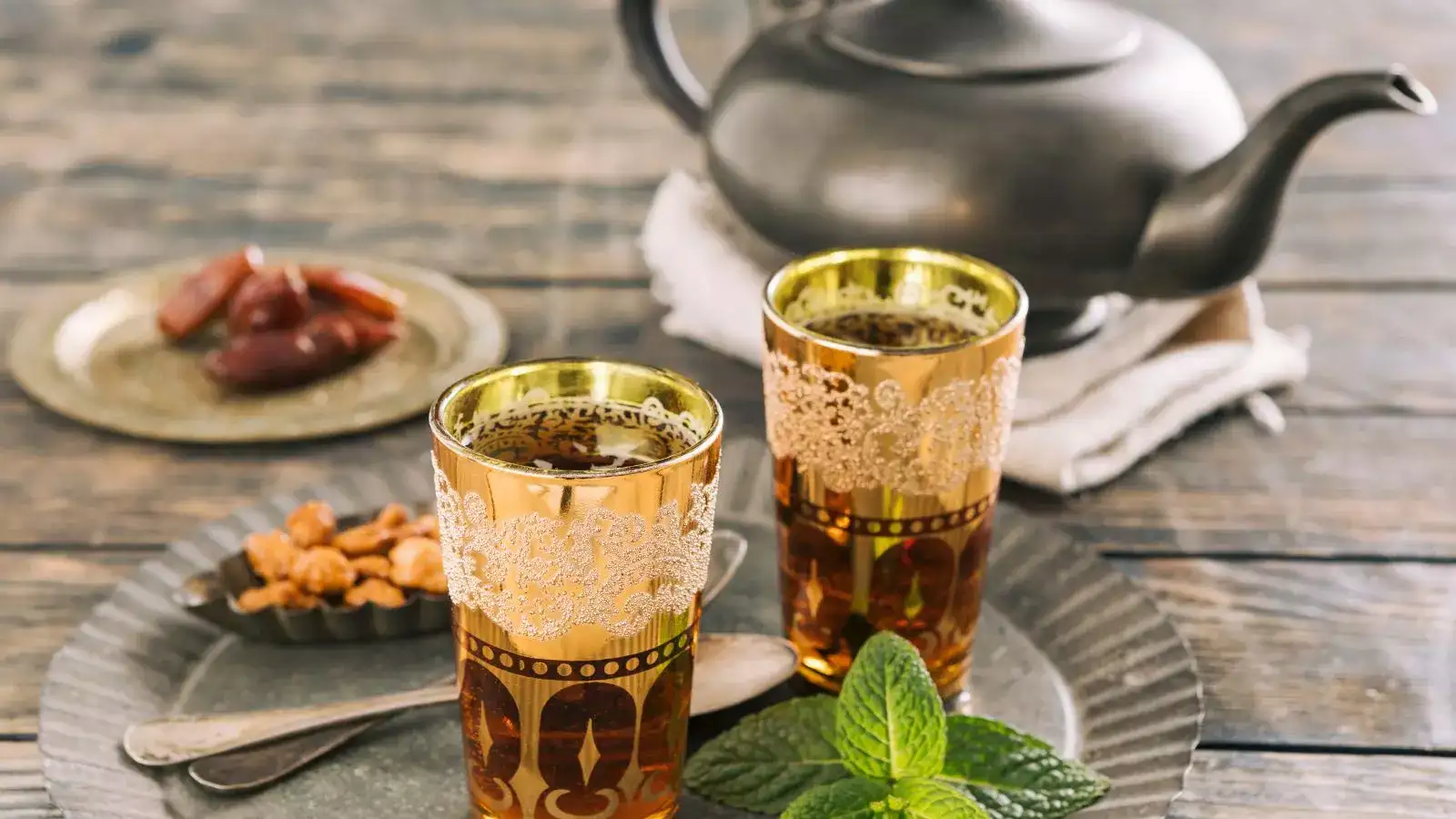
A luxurious blend of green tea, saffron, cinnamon, and cardamom, Kahwa is served with almond slivers and honey. This aromatic tea is perfect for sipping on cold winter evenings.
Masala Chai, India
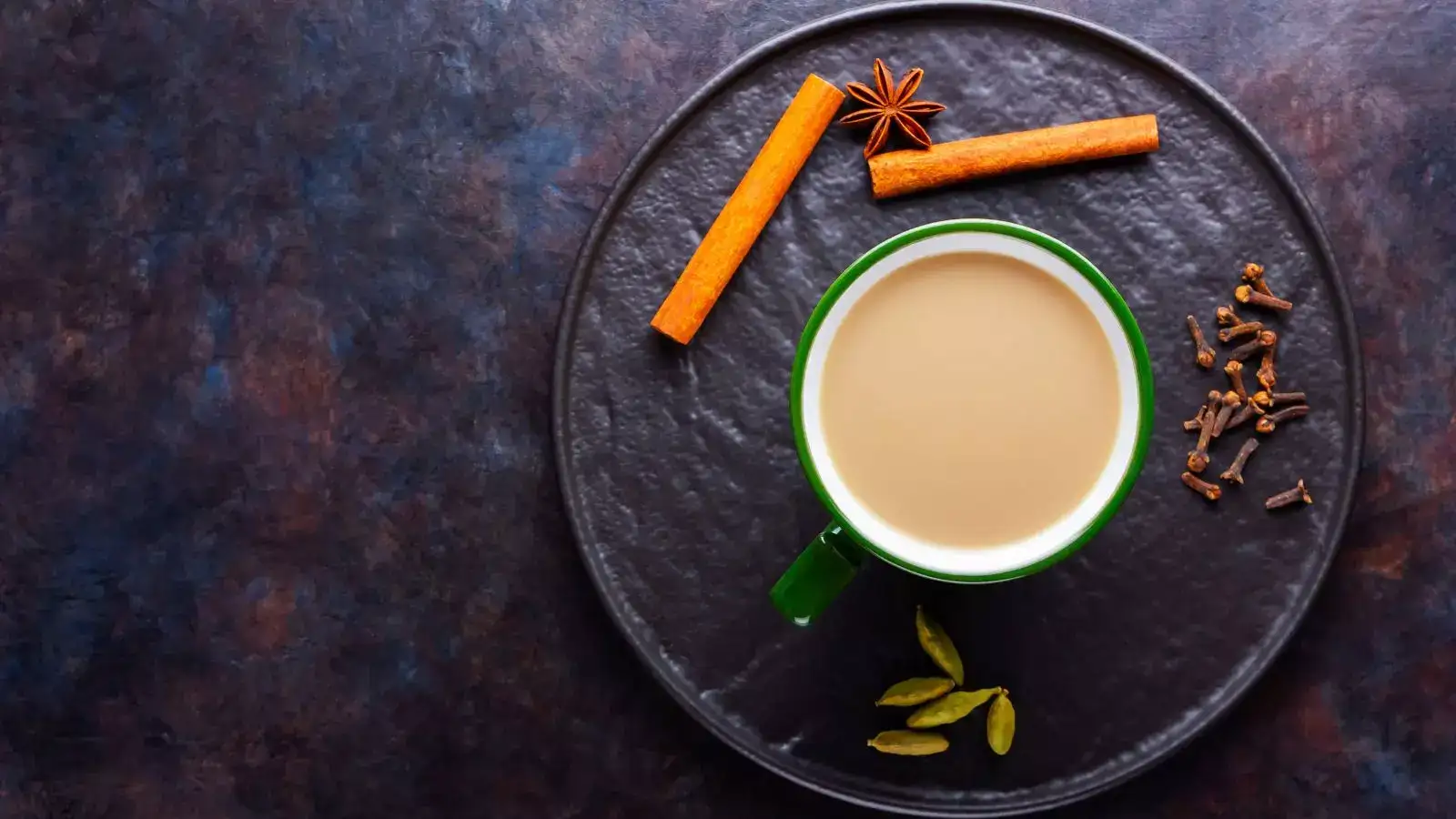
Masala chai is the heart of India’s tea culture . Each household has its own recipe, but common ingredients include black tea brewed with milk, sugar, ginger, and spices like cardamom, cinnamon, and cloves.
Noon Chai (Sheer Chai), Kashmir
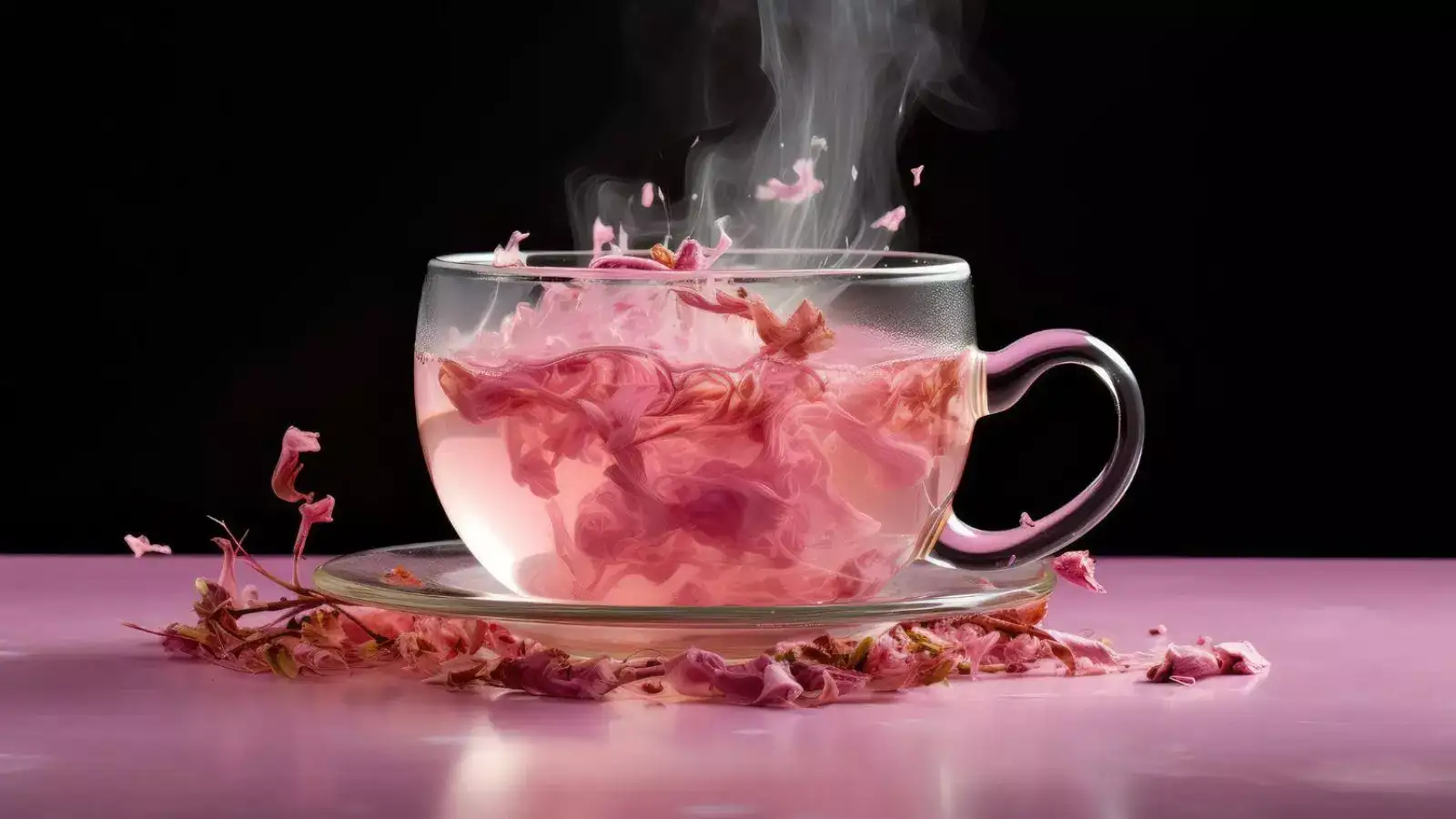
Known for its striking pink color, Noon Chai is brewed with tea leaves, cardamom, and baking soda. It’s traditionally served with milk, salt, and nuts, offering a unique flavor profile.
Lebu Cha, Kolkata
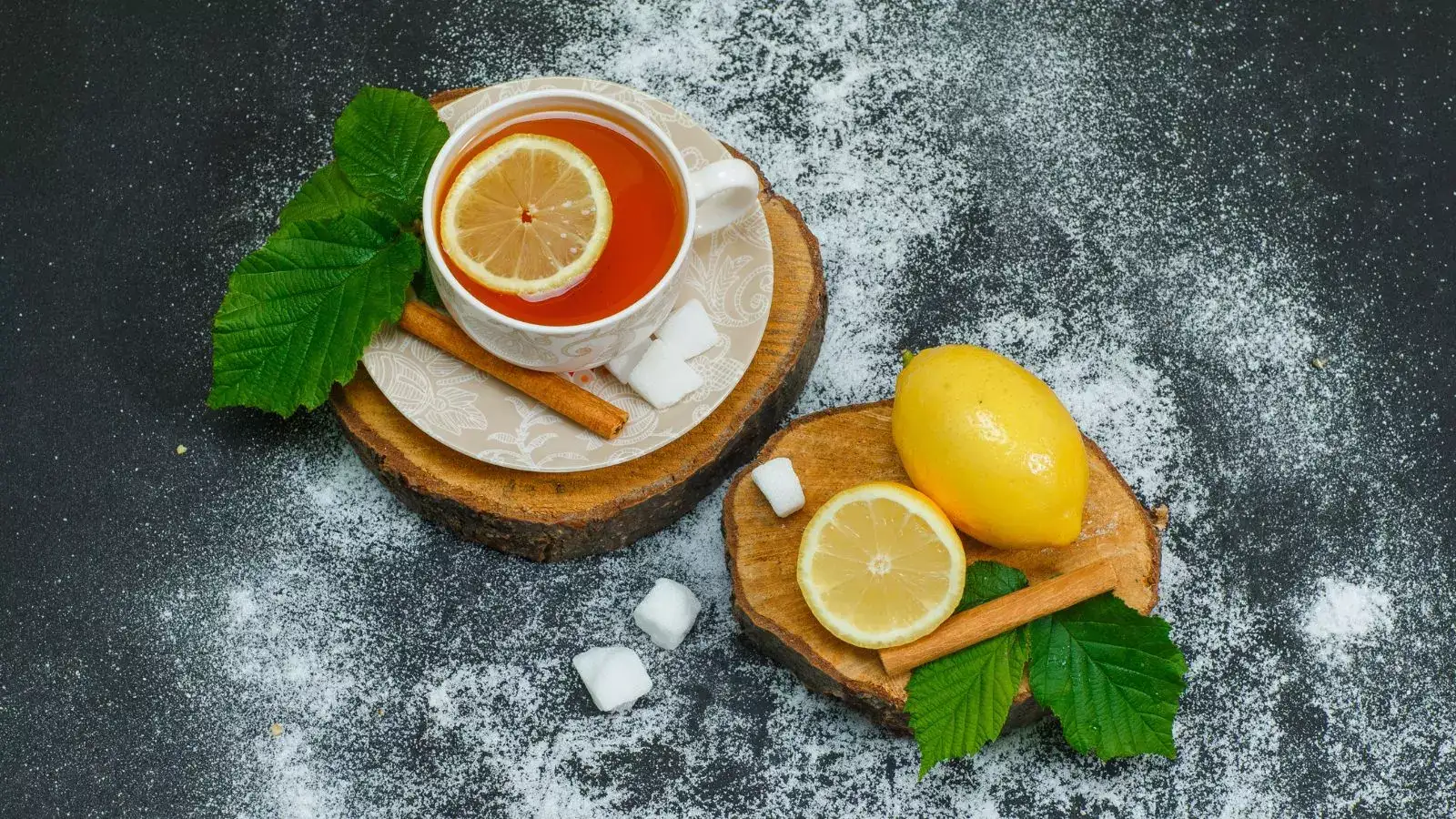
Bengal’s street-side lemon tea is a zesty variation, spiced with black salt and a squeeze of lemon. It’s a refreshing alternative to the creamy masala chai.
Kangra Chai , Himachal Pradesh
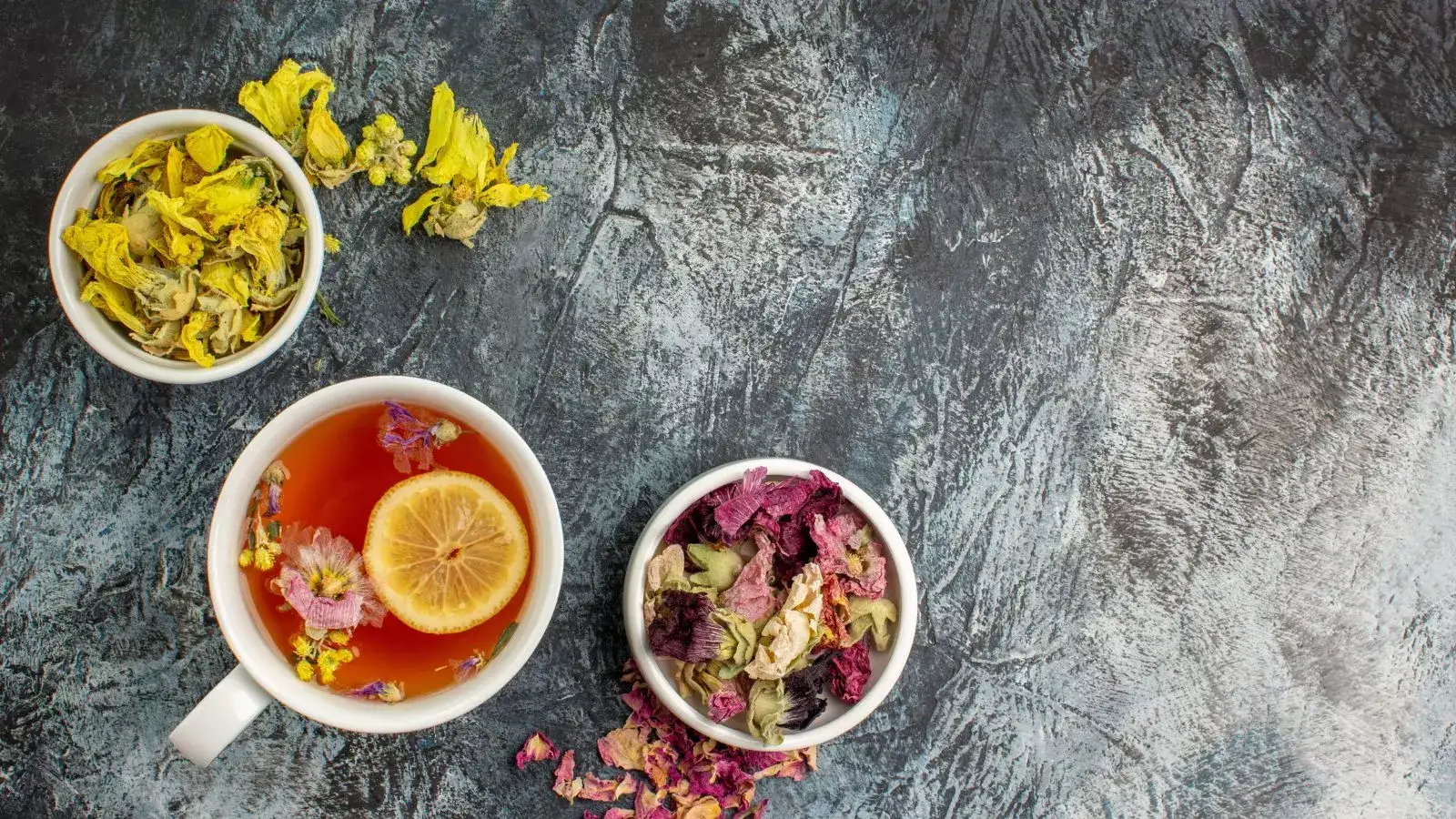
Grown in the lush tea gardens of Palampur, Kangra chai comes in both green and black varieties. It’s known for its fresh aroma and mild, earthy taste, making it a must-try for tea enthusiasts.
As we celebrate National Chai Day 2024, it’s clear that chai is more than just a beverage in India—it’s a part of the nation’s soul. From its historical roots to its role in everyday life, chai continues to connect people across generations and geographies. So, whether you prefer the bold spices of masala chai or the subtle notes of a green Kangra brew, let’s raise a cup to India’s enduring love affair with tea.
The Story of Chai in India
Tea has been an integral part of India for centuries, transcending regions, occasions, and generations. While chai's widespread popularity took off during British colonial rule, Indians added their own spin to this simple drink, transforming it into the aromatic, spice-filled concoction we know today as masala chai. From humble street-side vendors to sophisticated tea houses, chai has found its place in every corner of the nation, becoming a symbol of warmth, hospitality, and community.
The Origins: From Colonial Roots to Indian Spice
Chai’s journey in India began in the 19th century when British colonists started cultivating tea in Assam. While the British preferred their tea with just milk and sugar, Indian households added their own spices—ginger, cardamom, cinnamon, and cloves—to create the masala chai we enjoy today. Over time, tea consumption spread from elite circles to the masses, becoming the iconic beverage it is now.
Health Benefits of Chai
Beyond its comforting taste, chai boasts numerous health benefits. The combination of spices, including ginger, cinnamon, and cardamom, helps in digestion, improves heart health, and boosts immunity. Black tea, the base for most Indian chai, is also rich in antioxidants, making it a soothing yet healthful drink.
Exploring India's Varied Chai Culture
India’s vast cultural diversity reflects in its tea-drinking habits. From the butter-infused chai of Tibet to the floral notes of Kashmiri kahwa, each region has its own unique take on this popular beverage.
Butter Tea (Gur Gur Chai)
A favorite in Tibet and the Himalayan regions, butter tea is made from tea leaves, yak milk butter, and salt. This hearty drink keeps locals warm in the freezing temperatures.
Kahwa, Kashmir
You may also like
- Word of the day: Construe
- Amitabh Bachchan Returns for KBC Season 18 with a New Thought-Provoking Theme
- Frequent Swelling in Your Feet? Experts Say It Could Signal an Underlying Health Condition
- Busy schedule? These 7 everyday conversations can keep couples emotionally close
- The hidden airplane space most passengers never see: Why flight attendants rely on the 'sin bin' during long journeys
A luxurious blend of green tea, saffron, cinnamon, and cardamom, Kahwa is served with almond slivers and honey. This aromatic tea is perfect for sipping on cold winter evenings.
Masala Chai, India
Masala chai is the heart of India’s tea culture . Each household has its own recipe, but common ingredients include black tea brewed with milk, sugar, ginger, and spices like cardamom, cinnamon, and cloves.
Noon Chai (Sheer Chai), Kashmir
Known for its striking pink color, Noon Chai is brewed with tea leaves, cardamom, and baking soda. It’s traditionally served with milk, salt, and nuts, offering a unique flavor profile.
Lebu Cha, Kolkata
Bengal’s street-side lemon tea is a zesty variation, spiced with black salt and a squeeze of lemon. It’s a refreshing alternative to the creamy masala chai.
Kangra Chai , Himachal Pradesh
Grown in the lush tea gardens of Palampur, Kangra chai comes in both green and black varieties. It’s known for its fresh aroma and mild, earthy taste, making it a must-try for tea enthusiasts.
As we celebrate National Chai Day 2024, it’s clear that chai is more than just a beverage in India—it’s a part of the nation’s soul. From its historical roots to its role in everyday life, chai continues to connect people across generations and geographies. So, whether you prefer the bold spices of masala chai or the subtle notes of a green Kangra brew, let’s raise a cup to India’s enduring love affair with tea.






Loving Newspoint? Download the app now
