
Monsoon Garden Care: Natural Pest Control Solutions You Can Make at Home

The monsoon season brings fresh greenery, but it also creates the perfect conditions for unwanted garden pests. Warm weather, high humidity, and excess moisture attract insects, snails, and fungal diseases that can quickly damage healthy plants. The good news is that you don't need harsh chemicals to keep your garden safe. These simple natural remedies can help protect your plants throughout the rainy season.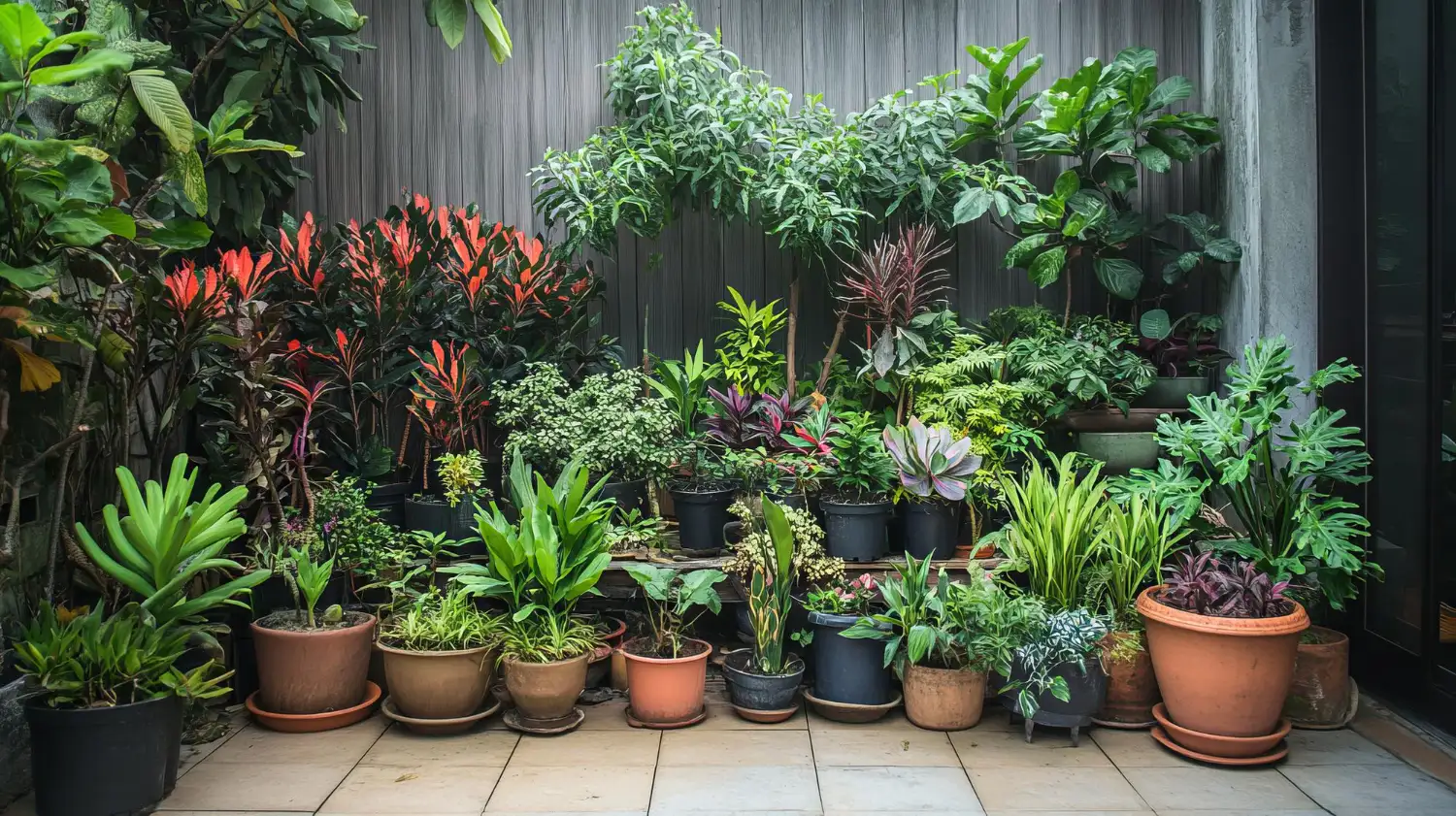
Why Do Pests Increase During Monsoon?
The combination of moisture and humidity encourages pests such as aphids, mealybugs, caterpillars, whiteflies, snails, and slugs to multiply rapidly. Damp conditions also increase the risk of fungal infections, making regular plant care essential.
1. Spray Neem Oil for Everyday Protection
Neem oil is a trusted natural solution for many common garden pests. Mix 5 ml of neem oil with 1 litre of water and add a few drops of mild liquid soap. Spray it on both sides of the leaves every 7 to 10 days. It helps keep aphids, mealybugs, whiteflies, and spider mites under control.
2. Make a Garlic and Chilli Spray
A homemade garlic and chilli spray works as a natural insect repellent. Blend 8 to 10 garlic cloves with 2 to 3 green chillies, mix the paste in 1 litre of water, leave it overnight, then strain and spray it on affected plants. Its strong smell keeps many insects away without harming the plants.
3. Use a Mild Soap Solution
Soft-bodied insects like aphids and whiteflies can be removed with a simple soap spray. Mix one teaspoon of mild liquid soap in 1 litre of water and spray directly on the pests. If required, rinse the leaves with plain water after a few hours.
4. Keep Snails and Slugs Away With Wood Ash
Rainy weather is ideal for snails and slugs. Sprinkle a thin layer of dry wood ash around the base of your plants to create a protective barrier. Reapply after heavy rainfall for continued protection.
5. Prevent Fungal Diseases With Cinnamon
Cinnamon isn't just a kitchen spice, it also has natural antifungal properties. Sprinkle a small amount around the soil or on infected spots to help reduce fungal growth and protect young plants from damping-off disease.
6. Feed Plants With Compost Tea
Healthy plants are naturally more resistant to pests. Soak well-made compost in water for 24 to 48 hours, strain the liquid, and use it as a soil drench or foliar spray. This nutrient-rich solution helps strengthen plants and supports healthy growth.
7. Invite Nature's Pest Controllers
Beneficial insects like ladybugs and lacewings, along with birds, naturally feed on harmful pests. Grow flowering plants and herbs such as marigold, basil, and coriander to attract these helpful visitors and maintain a balanced garden ecosystem.
Extra Monsoon Gardening Tips
With a little preventive care and these natural remedies, you can keep your garden healthy, green, and thriving throughout the monsoon season.
Why Do Pests Increase During Monsoon?
The combination of moisture and humidity encourages pests such as aphids, mealybugs, caterpillars, whiteflies, snails, and slugs to multiply rapidly. Damp conditions also increase the risk of fungal infections, making regular plant care essential. 1. Spray Neem Oil for Everyday Protection
Neem oil is a trusted natural solution for many common garden pests. Mix 5 ml of neem oil with 1 litre of water and add a few drops of mild liquid soap. Spray it on both sides of the leaves every 7 to 10 days. It helps keep aphids, mealybugs, whiteflies, and spider mites under control.2. Make a Garlic and Chilli Spray
A homemade garlic and chilli spray works as a natural insect repellent. Blend 8 to 10 garlic cloves with 2 to 3 green chillies, mix the paste in 1 litre of water, leave it overnight, then strain and spray it on affected plants. Its strong smell keeps many insects away without harming the plants. 3. Use a Mild Soap Solution
Soft-bodied insects like aphids and whiteflies can be removed with a simple soap spray. Mix one teaspoon of mild liquid soap in 1 litre of water and spray directly on the pests. If required, rinse the leaves with plain water after a few hours.You may also like
4. Keep Snails and Slugs Away With Wood Ash
Rainy weather is ideal for snails and slugs. Sprinkle a thin layer of dry wood ash around the base of your plants to create a protective barrier. Reapply after heavy rainfall for continued protection. 5. Prevent Fungal Diseases With Cinnamon
Cinnamon isn't just a kitchen spice, it also has natural antifungal properties. Sprinkle a small amount around the soil or on infected spots to help reduce fungal growth and protect young plants from damping-off disease. 6. Feed Plants With Compost Tea
Healthy plants are naturally more resistant to pests. Soak well-made compost in water for 24 to 48 hours, strain the liquid, and use it as a soil drench or foliar spray. This nutrient-rich solution helps strengthen plants and supports healthy growth. 7. Invite Nature's Pest Controllers
Beneficial insects like ladybugs and lacewings, along with birds, naturally feed on harmful pests. Grow flowering plants and herbs such as marigold, basil, and coriander to attract these helpful visitors and maintain a balanced garden ecosystem.Extra Monsoon Gardening Tips
- Remove dead leaves and infected plant parts as soon as you notice them.
- Avoid overwatering since rain already provides plenty of moisture.
- Make sure pots and beds have good drainage to prevent root rot.
- Leave enough space between plants to improve air circulation.
- Inspect the underside of leaves regularly to spot pests before they spread.
With a little preventive care and these natural remedies, you can keep your garden healthy, green, and thriving throughout the monsoon season.






Loving Newspoint? Download the app now
