
Natural Relief: 8 Foods That Combat Allergy Symptoms

Allergy season can be a challenging time for many, with symptoms like sneezing, runny noses, itchy eyes, and congestion causing discomfort. While medications can provide relief, certain foods can also help alleviate these symptoms naturally. Here are eight foods that can help you combat allergies.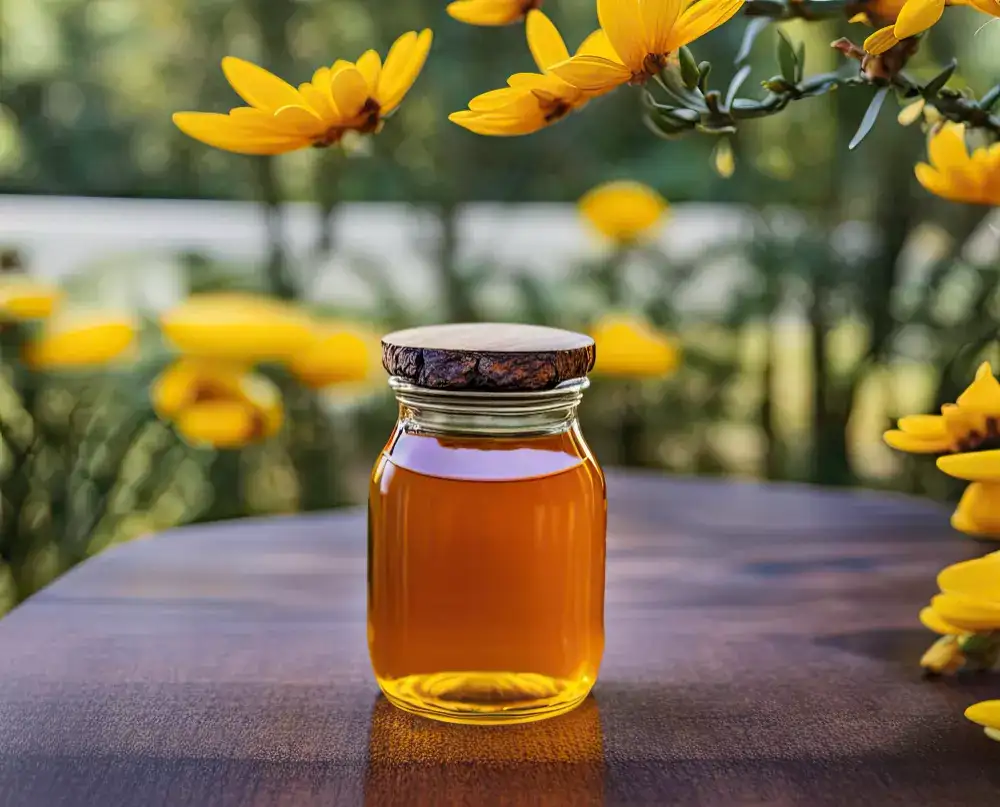
1. Citrus Fruits
Citrus fruits such as oranges, lemons, and grapefruits are rich in vitamin C, which boosts the immune system and acts as a natural antihistamine. Vitamin C can help reduce inflammation and the severity of allergic reactions.
2. Turmeric
Turmeric contains curcumin, a compound known for its anti-inflammatory and antioxidant properties. Curcumin can help reduce nasal congestion and other allergic symptoms. Adding turmeric to your diet through curries, teas, or supplements can provide relief.
3. Fatty Fish
Fish like salmon, mackerel, and sardines are high in omega-3 fatty acids, which have anti-inflammatory effects. Omega-3s can help reduce the severity of allergic reactions and improve respiratory function, making it easier to breathe during allergy season.
4. Local Honey
Consuming local honey is believed to help your body build immunity to local pollen. While scientific evidence is limited, many people find that eating a small amount of local honey daily can help reduce allergy symptoms over time.
5. Ginger
Ginger has natural anti-inflammatory and antihistamine properties. It can help alleviate throat irritation, reduce inflammation, and open up nasal passages. Fresh ginger tea or adding ginger to your meals can be an effective way to harness its benefits.
6. Probiotic-Rich Foods
Foods like yogurt, kefir, and sauerkraut contain probiotics that support a healthy gut microbiome. A balanced gut can regulate the immune system and reduce the severity of allergic reactions. Regular consumption of probiotic-rich foods can help keep allergies at bay.
7. Onions
Onions are a good source of quercetin, a natural antihistamine that can help reduce the release of histamines in the body. Quercetin can lessen allergy symptoms such as sneezing and runny nose. Adding raw onions to salads or cooked onions to dishes can be beneficial.
8. Green Tea
Green tea contains natural antihistamines and can help boost the immune system. It is also rich in quercetin and catechins, which have anti-inflammatory properties. Drinking green tea regularly can help reduce allergic symptoms and improve overall health.
1. Citrus Fruits
Citrus fruits such as oranges, lemons, and grapefruits are rich in vitamin C, which boosts the immune system and acts as a natural antihistamine. Vitamin C can help reduce inflammation and the severity of allergic reactions.
2. Turmeric
Turmeric contains curcumin, a compound known for its anti-inflammatory and antioxidant properties. Curcumin can help reduce nasal congestion and other allergic symptoms. Adding turmeric to your diet through curries, teas, or supplements can provide relief.
You may also like
- Word of the day: Vituperate
- In 1906, San Francisco lost more than 28,000 buildings to earthquake and fire: How the disaster reshaped the city's architecture and changed how America builds for earthquakes
- Why Your Beard Itches So Much and How You Can Finally Stop It
- 7 Things That Make Your Face Look Puffy Every Morning When You Rise
- The God Who Sleeps—and the Age That Cannot
3. Fatty Fish
Fish like salmon, mackerel, and sardines are high in omega-3 fatty acids, which have anti-inflammatory effects. Omega-3s can help reduce the severity of allergic reactions and improve respiratory function, making it easier to breathe during allergy season.
4. Local Honey
Consuming local honey is believed to help your body build immunity to local pollen. While scientific evidence is limited, many people find that eating a small amount of local honey daily can help reduce allergy symptoms over time.
5. Ginger
Ginger has natural anti-inflammatory and antihistamine properties. It can help alleviate throat irritation, reduce inflammation, and open up nasal passages. Fresh ginger tea or adding ginger to your meals can be an effective way to harness its benefits.
6. Probiotic-Rich Foods
Foods like yogurt, kefir, and sauerkraut contain probiotics that support a healthy gut microbiome. A balanced gut can regulate the immune system and reduce the severity of allergic reactions. Regular consumption of probiotic-rich foods can help keep allergies at bay.
7. Onions
Onions are a good source of quercetin, a natural antihistamine that can help reduce the release of histamines in the body. Quercetin can lessen allergy symptoms such as sneezing and runny nose. Adding raw onions to salads or cooked onions to dishes can be beneficial.
8. Green Tea
Green tea contains natural antihistamines and can help boost the immune system. It is also rich in quercetin and catechins, which have anti-inflammatory properties. Drinking green tea regularly can help reduce allergic symptoms and improve overall health.






Loving Newspoint? Download the app now
