
How Some Animals Delay Pregnancy Until the Perfect Time to Give Birth

Imagine discovering you could pause a pregnancy until conditions were just right for raising a baby. While that sounds like science fiction for humans, several animals have mastered this extraordinary ability for millions of years. Known as delayed implantation or embryonic diapause , this biological adaptation allows certain mammals to temporarily halt the development of a fertilised embryo. Instead of continuing pregnancy immediately, the embryo remains dormant until food is plentiful, the weather improves, or previous offspring have grown strong enough to survive on their own. It is one of nature's most remarkable reproductive strategies and reveals just how cleverly wildlife has evolved to overcome unpredictable environments.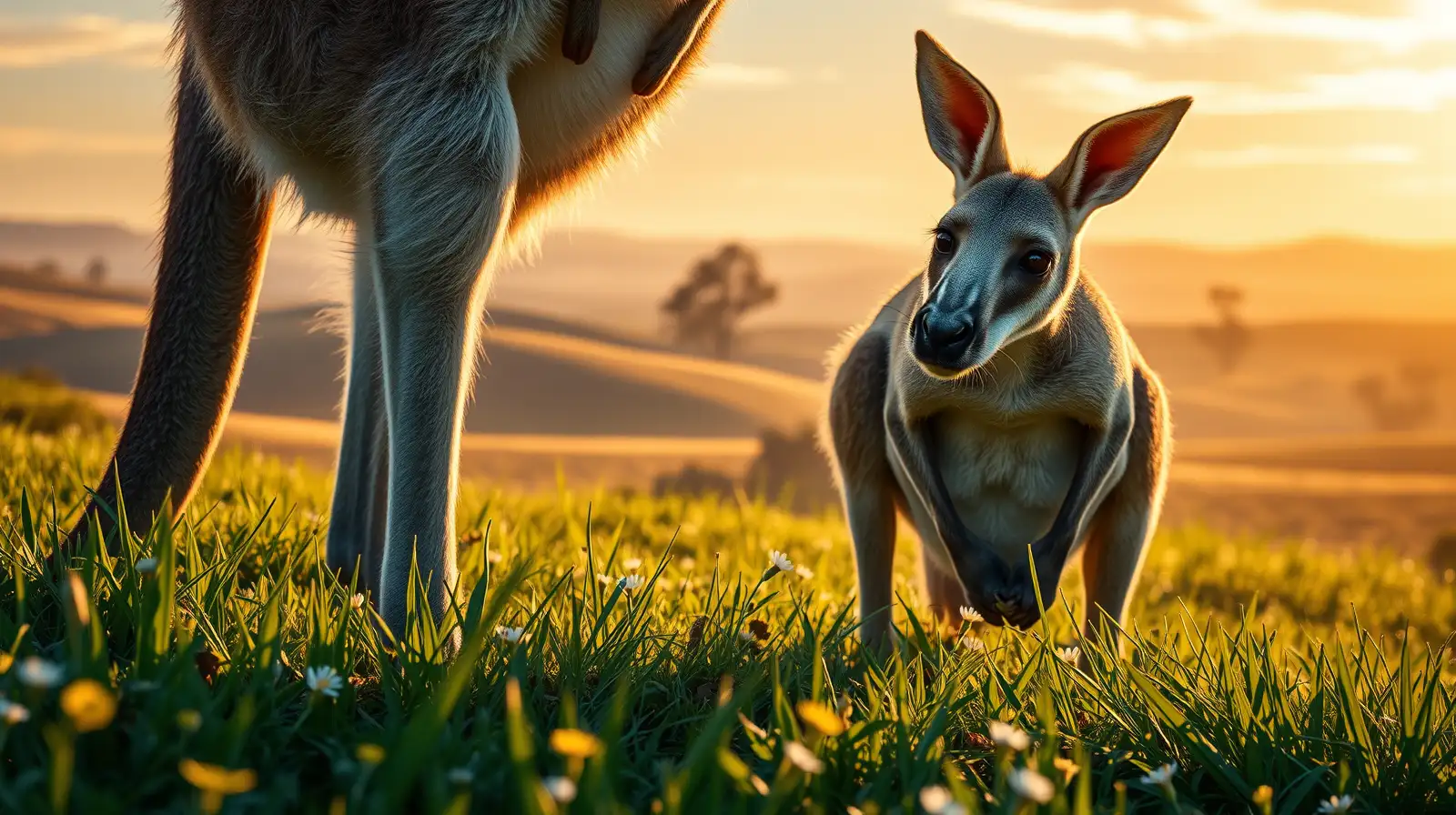
Once environmental conditions become favourable, hormonal changes restart the embryo's development, leading to a normal pregnancy and birth. This remarkable adaptation gives mothers the flexibility to produce young when they have the greatest chance of surviving.
Scientists believe this strategy has independently evolved in more than 130 mammal species, demonstrating just how valuable it is in the natural world.
Many bear species, including polar bears and American black bears, also use delayed implantation. Mating often occurs during warmer months, but the embryo does not begin developing fully until the mother has accumulated enough body fat before winter. If she is not healthy enough, the embryo may never implant, preventing a pregnancy that could threaten both mother and offspring.
Other animals that use this remarkable strategy include badgers, otters, mink, weasels, seals and some bat species.
For species living in seasonal environments, this timing is especially important. Bears, for example, give birth while hibernating, ensuring their cubs remain protected inside the den before venturing into the outside world when spring arrives.
This careful timing significantly increases the survival chances of both mothers and their offspring.
The phenomenon has attracted growing interest in reproductive biology because it demonstrates that pregnancy is far more adaptable than previously believed. Studying these animals could one day improve fertility treatments, embryo preservation techniques and conservation programmes for endangered mammals.
Wildlife biologists also use knowledge of embryonic diapause to better understand breeding cycles and population recovery in threatened species.
The research also reminds us that survival often depends on flexibility rather than speed. Nature has evolved countless solutions to life's challenges, many of which continue to inspire modern science.
For the general public, learning about these remarkable animals offers a deeper appreciation of the hidden complexity found in even familiar species.
Animals That Can Pause Their Pregnancy
A Natural Pause That Improves Survival
The ability to pause pregnancy is scientifically known as embryonic diapause. After fertilisation, the embryo develops only to a very early stage before temporarily stopping its growth. During this period, it does not implant into the mother's uterus, effectively placing the pregnancy on hold.Once environmental conditions become favourable, hormonal changes restart the embryo's development, leading to a normal pregnancy and birth. This remarkable adaptation gives mothers the flexibility to produce young when they have the greatest chance of surviving.
Scientists believe this strategy has independently evolved in more than 130 mammal species, demonstrating just how valuable it is in the natural world.
Which Animals Use This Strategy?
Several well-known mammals rely on delayed pregnancy. Kangaroos and wallabies are among the best-known examples. Female kangaroos can care for a joey already living in their pouch while another embryo remains paused inside their body, waiting for the right moment to continue developing.Many bear species, including polar bears and American black bears, also use delayed implantation. Mating often occurs during warmer months, but the embryo does not begin developing fully until the mother has accumulated enough body fat before winter. If she is not healthy enough, the embryo may never implant, preventing a pregnancy that could threaten both mother and offspring.
Other animals that use this remarkable strategy include badgers, otters, mink, weasels, seals and some bat species.
Why Timing Matters More Than Speed
In the wild, giving birth at the wrong time can be fatal. Newborn animals require warmth, protection and a reliable food supply. By delaying pregnancy, mothers avoid producing young during harsh winters, droughts or periods of food shortage.For species living in seasonal environments, this timing is especially important. Bears, for example, give birth while hibernating, ensuring their cubs remain protected inside the den before venturing into the outside world when spring arrives.
You may also like
- Make rose water at home for glowing skin, the process is very easy
- EPFO credits PF interest to 34 crore accounts; have you received yours? Here's how to check...
- Gold has become cheaper by ₹2,200 and silver by over ₹4,900; find out from experts if prices will fall further..
- Special Trains: Special trains announced for Shravani Mela; find out the routes..
- “On the exam day, luck was also on my side”: NEET AIR 1 Aryan Gupta reveals the habits, family support and the luck factor behind his success
This careful timing significantly increases the survival chances of both mothers and their offspring.
A Discovery That Fascinated Scientists
Researchers first documented delayed implantation more than a century ago, but many questions remain unanswered. Scientists continue investigating the complex hormonal signals that tell an embryo when to remain dormant and when to resume development.The phenomenon has attracted growing interest in reproductive biology because it demonstrates that pregnancy is far more adaptable than previously believed. Studying these animals could one day improve fertility treatments, embryo preservation techniques and conservation programmes for endangered mammals.
Wildlife biologists also use knowledge of embryonic diapause to better understand breeding cycles and population recovery in threatened species.
Why This Matters Today
As climate change alters seasonal weather patterns and food availability, understanding reproductive adaptations like delayed pregnancy has become increasingly important. Conservationists need accurate knowledge of breeding behaviour to protect vulnerable wildlife and predict how different species may respond to changing environments.The research also reminds us that survival often depends on flexibility rather than speed. Nature has evolved countless solutions to life's challenges, many of which continue to inspire modern science.
For the general public, learning about these remarkable animals offers a deeper appreciation of the hidden complexity found in even familiar species.






Loving Newspoint? Download the app now
