
Nature's Shockers: The Amazing World of Electric Eels

The electric eel, or Electrophorus electricus , is one of nature's most electrifying creatures. Native to the murky waters of South America, these fascinating animals are known for their ability to produce electric shocks, a skill that sets them apart from most other species in the animal kingdom. But what makes these creatures so remarkable is not just their power to shock; it’s how they use it for survival, communication, and hunting in their challenging environments.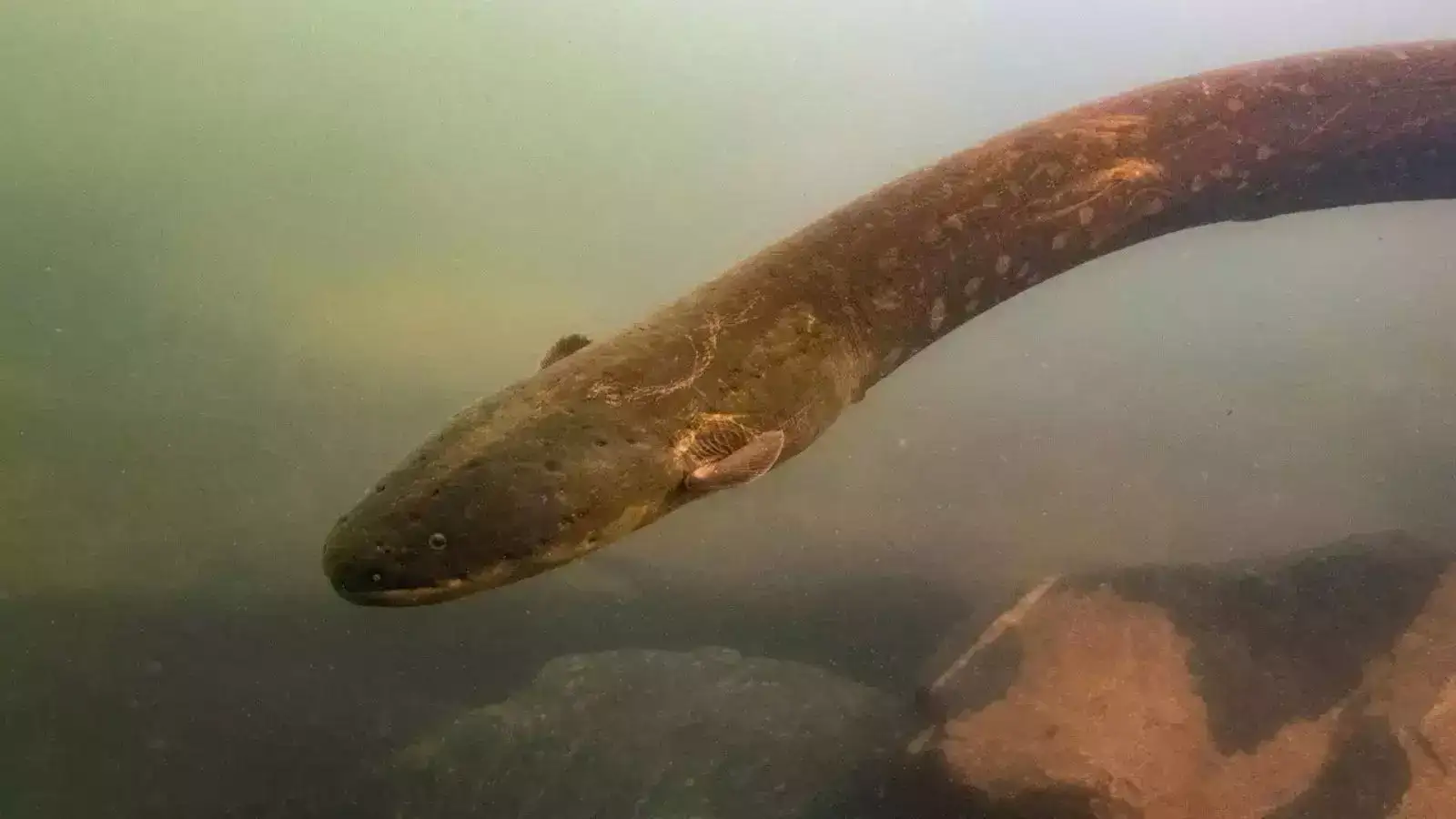
A Shocking Adaptation
Electric eels are not actually eels at all; they are a type of knifefish and belong to the gymnotiform family. Despite their name, electric eels can grow up to 8 feet long, with long, slender bodies designed for navigating through dark, murky waters. They can generate electrical charges that can reach up to 600 volts—enough to stun prey and even deter potential predators.
Their ability to generate electricity is thanks to specialized cells called electrocytes. These cells line the eel’s body and function like tiny batteries. When the eel decides to release an electric charge, the electrocytes rapidly discharge, creating a powerful electrical pulse that travels through the water. This process is highly controlled, and eels can regulate the strength and duration of their shocks.
The Shock of the Hunt
Electric eels primarily use their electrical abilities to hunt for food. Their diet consists mainly of fish, amphibians, and invertebrates, and they rely on their electricity to locate and immobilize prey. By emitting a series of low-voltage pulses, the eel creates a sort of electrical “radar,” allowing it to detect the movement of nearby creatures. Once prey is located, the eel delivers a high-voltage shock to stun or kill it, making it easier to consume.
Interestingly, electric eels don’t just use their electricity for hunting; they also use it for navigation and communication. The low-voltage pulses are essential for their survival in the murky, low-visibility waters where they live. The eels can “see” their surroundings through electric fields, essentially forming a map of their environment by detecting objects through the disruption of these fields.
Communication and Social Behavior
Electric eels are solitary creatures for the most part, but they do engage in social behaviors during breeding seasons. Males use their electric shocks to attract females, delivering a series of high-voltage bursts to demonstrate their strength. The shocks can also be a form of communication, signaling territory or warnings to other eels in the area.
Moreover, electric eels are not the only creatures in their environment that use electricity. Other fish, such as certain species of rays and catfish, also possess the ability to generate electric fields, creating an electrified ecosystem. This phenomenon is known as “electrogenesis,” and it plays a vital role in the survival of many species in the region.
A Future in Science
The electric eel’s unique abilities have sparked interest among scientists, particularly in the fields of bioelectricity and neuroscience. Researchers are studying the mechanisms behind the eel's electric shocks in hopes of applying similar principles in technology. For example, the design of electric eel cells could inspire the creation of efficient, energy-producing devices.
In addition to this, understanding how electric eels navigate through electric fields could provide insights into how humans might one day use electric fields for communication or medical purposes, potentially revolutionizing several fields of science.
The electric eel is a true marvel of nature, a creature capable of producing power far beyond what most other animals can achieve. With their ability to use electricity for hunting, communication, and navigation, electric eels continue to inspire both awe and scientific curiosity. As research into their electric abilities deepens, we may one day find ways to harness the eel's natural powers for human use, but for now, they remain one of the most astonishing creatures in the animal kingdom.
A Shocking Adaptation
Electric eels are not actually eels at all; they are a type of knifefish and belong to the gymnotiform family. Despite their name, electric eels can grow up to 8 feet long, with long, slender bodies designed for navigating through dark, murky waters. They can generate electrical charges that can reach up to 600 volts—enough to stun prey and even deter potential predators.
Their ability to generate electricity is thanks to specialized cells called electrocytes. These cells line the eel’s body and function like tiny batteries. When the eel decides to release an electric charge, the electrocytes rapidly discharge, creating a powerful electrical pulse that travels through the water. This process is highly controlled, and eels can regulate the strength and duration of their shocks.
The Shock of the Hunt
Electric eels primarily use their electrical abilities to hunt for food. Their diet consists mainly of fish, amphibians, and invertebrates, and they rely on their electricity to locate and immobilize prey. By emitting a series of low-voltage pulses, the eel creates a sort of electrical “radar,” allowing it to detect the movement of nearby creatures. Once prey is located, the eel delivers a high-voltage shock to stun or kill it, making it easier to consume.
Interestingly, electric eels don’t just use their electricity for hunting; they also use it for navigation and communication. The low-voltage pulses are essential for their survival in the murky, low-visibility waters where they live. The eels can “see” their surroundings through electric fields, essentially forming a map of their environment by detecting objects through the disruption of these fields.
You may also like
- Why do railways use stones under tracks?
- Short spiritual getaways are becoming increasingly popular
- Michelle Obama on why parents shouldn't try to be their child's friend; “Your kids have to learn…”
- Overlooking Udaipur's iconic Lake Pichola, this heritage hotel is where a 2-year-old lost her life after falling; travel safety lessons every parent should know
- How safe are THESE Indian states for solo-travelling women? A New Yorker ranks; says a man showed her an obscene video on the streets
Communication and Social Behavior
Electric eels are solitary creatures for the most part, but they do engage in social behaviors during breeding seasons. Males use their electric shocks to attract females, delivering a series of high-voltage bursts to demonstrate their strength. The shocks can also be a form of communication, signaling territory or warnings to other eels in the area.
Moreover, electric eels are not the only creatures in their environment that use electricity. Other fish, such as certain species of rays and catfish, also possess the ability to generate electric fields, creating an electrified ecosystem. This phenomenon is known as “electrogenesis,” and it plays a vital role in the survival of many species in the region.
A Future in Science
The electric eel’s unique abilities have sparked interest among scientists, particularly in the fields of bioelectricity and neuroscience. Researchers are studying the mechanisms behind the eel's electric shocks in hopes of applying similar principles in technology. For example, the design of electric eel cells could inspire the creation of efficient, energy-producing devices.
In addition to this, understanding how electric eels navigate through electric fields could provide insights into how humans might one day use electric fields for communication or medical purposes, potentially revolutionizing several fields of science.
The electric eel is a true marvel of nature, a creature capable of producing power far beyond what most other animals can achieve. With their ability to use electricity for hunting, communication, and navigation, electric eels continue to inspire both awe and scientific curiosity. As research into their electric abilities deepens, we may one day find ways to harness the eel's natural powers for human use, but for now, they remain one of the most astonishing creatures in the animal kingdom.






Loving Newspoint? Download the app now
