Nature's Shockers: The Amazing World of Electric Eels

The electric eel, or Electrophorus electricus , is one of nature's most electrifying creatures. Native to the murky waters of South America, these fascinating animals are known for their ability to produce electric shocks, a skill that sets them apart from most other species in the animal kingdom. But what makes these creatures so remarkable is not just their power to shock; it’s how they use it for survival, communication, and hunting in their challenging environments.
A Shocking Adaptation
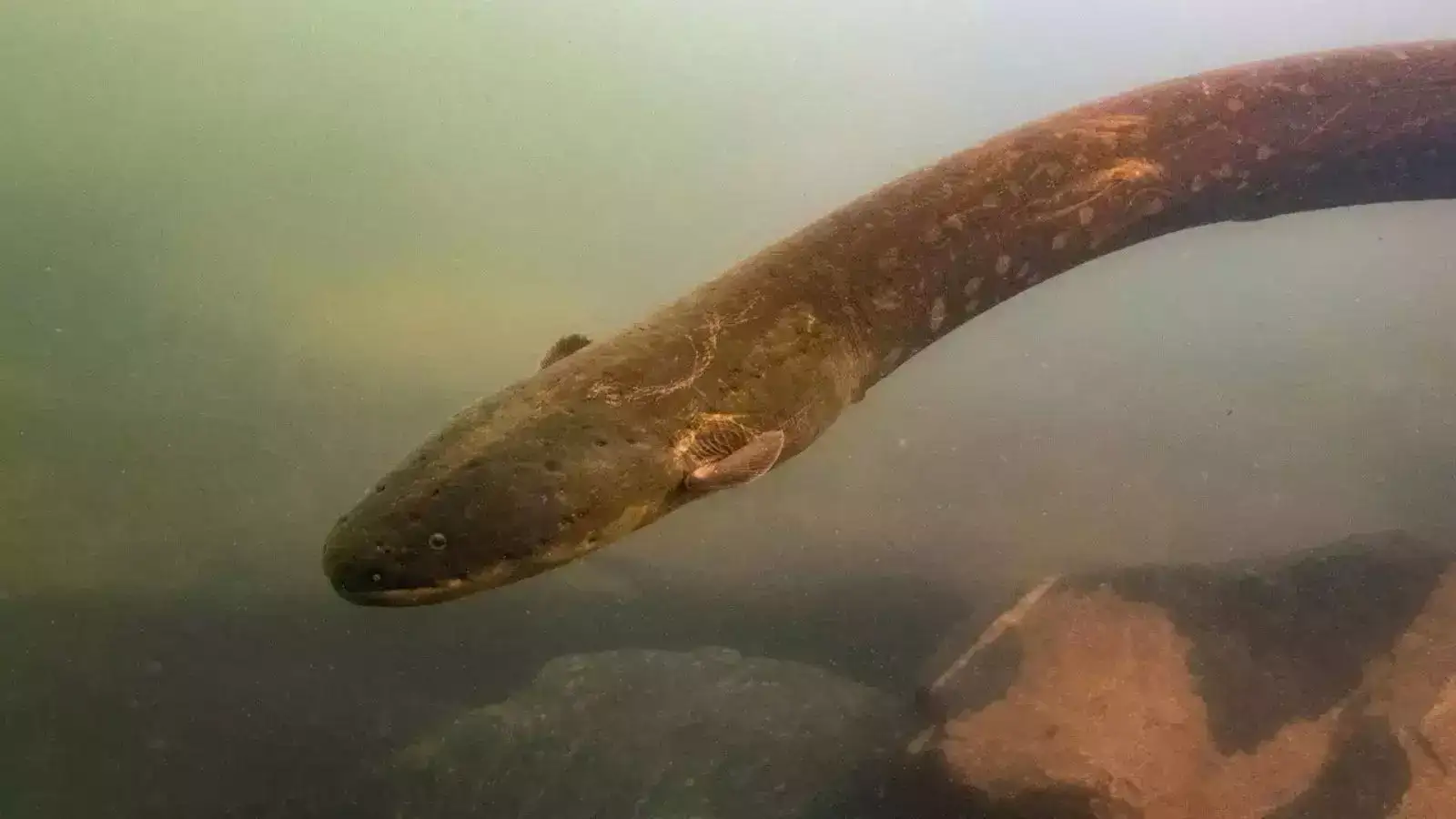
Electric eels are not actually eels at all; they are a type of knifefish and belong to the gymnotiform family. Despite their name, electric eels can grow up to 8 feet long, with long, slender bodies designed for navigating through dark, murky waters. They can generate electrical charges that can reach up to 600 volts—enough to stun prey and even deter potential predators.
Their ability to generate electricity is thanks to specialized cells called electrocytes. These cells line the eel’s body and function like tiny batteries. When the eel decides to release an electric charge, the electrocytes rapidly discharge, creating a powerful electrical pulse that travels through the water. This process is highly controlled, and eels can regulate the strength and duration of their shocks.
The Shock of the Hunt
Electric eels primarily use their electrical abilities to hunt for food. Their diet consists mainly of fish, amphibians, and invertebrates, and they rely on their electricity to locate and immobilize prey. By emitting a series of low-voltage pulses, the eel creates a sort of electrical “radar,” allowing it to detect the movement of nearby creatures. Once prey is located, the eel delivers a high-voltage shock to stun or kill it, making it easier to consume.
Interestingly, electric eels don’t just use their electricity for hunting; they also use it for navigation and communication. The low-voltage pulses are essential for their survival in the murky, low-visibility waters where they live. The eels can “see” their surroundings through electric fields, essentially forming a map of their environment by detecting objects through the disruption of these fields.
A Shocking Adaptation
Electric eels are not actually eels at all; they are a type of knifefish and belong to the gymnotiform family. Despite their name, electric eels can grow up to 8 feet long, with long, slender bodies designed for navigating through dark, murky waters. They can generate electrical charges that can reach up to 600 volts—enough to stun prey and even deter potential predators.
Their ability to generate electricity is thanks to specialized cells called electrocytes. These cells line the eel’s body and function like tiny batteries. When the eel decides to release an electric charge, the electrocytes rapidly discharge, creating a powerful electrical pulse that travels through the water. This process is highly controlled, and eels can regulate the strength and duration of their shocks.
The Shock of the Hunt
Electric eels primarily use their electrical abilities to hunt for food. Their diet consists mainly of fish, amphibians, and invertebrates, and they rely on their electricity to locate and immobilize prey. By emitting a series of low-voltage pulses, the eel creates a sort of electrical “radar,” allowing it to detect the movement of nearby creatures. Once prey is located, the eel delivers a high-voltage shock to stun or kill it, making it easier to consume.
Interestingly, electric eels don’t just use their electricity for hunting; they also use it for navigation and communication. The low-voltage pulses are essential for their survival in the murky, low-visibility waters where they live. The eels can “see” their surroundings through electric fields, essentially forming a map of their environment by detecting objects through the disruption of these fields.
Next Story