
Nature's Treasure: Unraveling The Wonders Of Black Seed Oil

In the world of natural remedies , few substances carry the rich historical legacy and potential health benefits as black seed oil . Also known as black cumin seed oil or Nigella sativa oil, this dark-hued elixir has been revered across cultures for its medicinal properties for centuries. Let's delve into what black seed oil is, its historical significance, and the myriad of benefits it offers.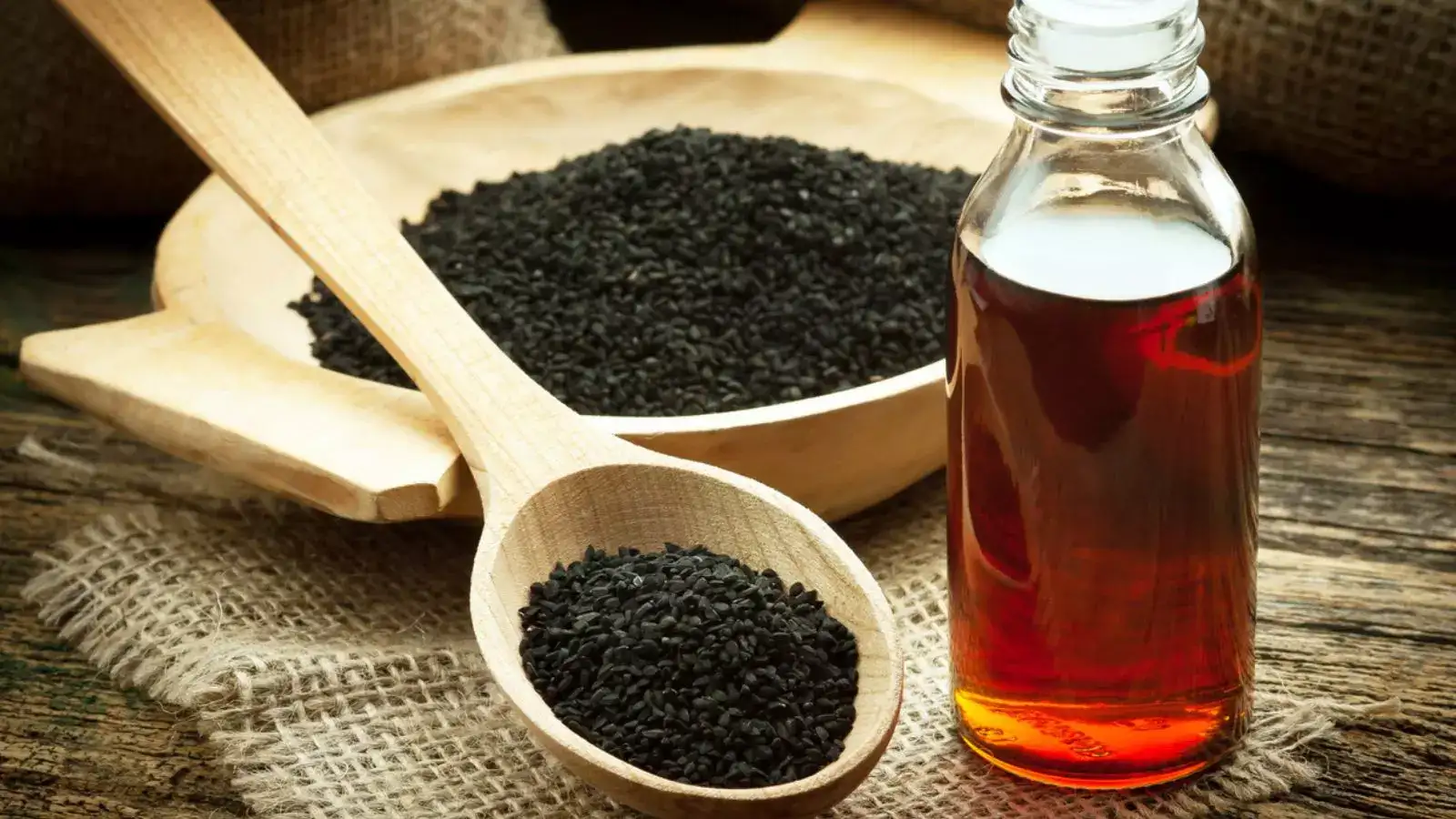
What is Black Seed Oil?
Black seed oil is extracted from the seeds of the Nigella sativa plant, which belongs to the buttercup family. This plant is native to South and Southwest Asia, but it's also cultivated in the Mediterranean region, North Africa, and parts of Europe. The oil is extracted through a cold-pressing process, preserving its potent compounds and nutritional profile.
Historical Significance:
Black seed oil holds a storied past, dating back thousands of years. It finds mention in ancient texts like the Bible and the Quran, where it's referred to as "Habbat al-Barakah," meaning the blessed seed. Throughout history, it was revered for its purported healing properties and was used by ancient civilizations like the Egyptians, Greeks, and Romans for various ailments.
Benefits of Black Seed Oil:
Immune System Support : Black seed oil is rich in antioxidants and has immune-boosting properties, which may help the body defend against infections and diseases.
Anti-inflammatory Effects: The active compound thymoquinone in black seed oil exhibits potent anti-inflammatory properties, which can help alleviate symptoms of inflammatory conditions like arthritis and asthma.
Heart Health : Studies suggest that black seed oil may help lower blood pressure and cholesterol levels, reducing the risk of heart disease.
Digestive Health: Black seed oil has been traditionally used to alleviate digestive issues such as bloating, gas, and indigestion. It may also have antimicrobial properties that help fight against harmful bacteria in the digestive tract.
Skin and Hair Benefits: When applied topically, black seed oil can moisturize the skin, soothe irritation, and promote wound healing. It's also believed to have hair-strengthening properties and may help prevent hair loss.
Respiratory Support: Due to its anti-inflammatory and antimicrobial properties, black seed oil is often used to relieve symptoms of respiratory conditions like asthma, bronchitis, and allergies.
Weight Management: Some research suggests that black seed oil may aid in weight loss by reducing appetite and boosting metabolism.
Black seed oil is a versatile natural remedy with a rich history and a wide array of potential health benefits. While research on its efficacy is ongoing, centuries of traditional use and some scientific evidence support its therapeutic properties. Whether used internally or topically, black seed oil continues to captivate the interest of researchers and health enthusiasts alike, offering a glimpse into the profound healing potential of nature's bounty.
What is Black Seed Oil?
Black seed oil is extracted from the seeds of the Nigella sativa plant, which belongs to the buttercup family. This plant is native to South and Southwest Asia, but it's also cultivated in the Mediterranean region, North Africa, and parts of Europe. The oil is extracted through a cold-pressing process, preserving its potent compounds and nutritional profile.
Historical Significance:
Black seed oil holds a storied past, dating back thousands of years. It finds mention in ancient texts like the Bible and the Quran, where it's referred to as "Habbat al-Barakah," meaning the blessed seed. Throughout history, it was revered for its purported healing properties and was used by ancient civilizations like the Egyptians, Greeks, and Romans for various ailments.
Benefits of Black Seed Oil:
Immune System Support : Black seed oil is rich in antioxidants and has immune-boosting properties, which may help the body defend against infections and diseases.
You may also like
- Priyanka Chopra's mother swears by this DIY mehendi hack for shinier and softer locks
- From UNESCO site to housekeeping: 5 things you didn't know about Indian Railways
- Meet Panchayat actor Vinod Suryavanshi, who once stood guard outside a factory just to catch a glimpse of Suniel Shetty and later shared screen with him
- India had a man who dined with Mao, advised Nehru, and wrote Malayalam poetry: Narayani Basu's masterful biography finally tells the forgotten story of K.M. Panikkar
- Understanding High Vaginal Swab Tests: Purpose, Procedure, and Results
Anti-inflammatory Effects: The active compound thymoquinone in black seed oil exhibits potent anti-inflammatory properties, which can help alleviate symptoms of inflammatory conditions like arthritis and asthma.
Heart Health : Studies suggest that black seed oil may help lower blood pressure and cholesterol levels, reducing the risk of heart disease.
Digestive Health: Black seed oil has been traditionally used to alleviate digestive issues such as bloating, gas, and indigestion. It may also have antimicrobial properties that help fight against harmful bacteria in the digestive tract.
Skin and Hair Benefits: When applied topically, black seed oil can moisturize the skin, soothe irritation, and promote wound healing. It's also believed to have hair-strengthening properties and may help prevent hair loss.
Respiratory Support: Due to its anti-inflammatory and antimicrobial properties, black seed oil is often used to relieve symptoms of respiratory conditions like asthma, bronchitis, and allergies.
Weight Management: Some research suggests that black seed oil may aid in weight loss by reducing appetite and boosting metabolism.
Black seed oil is a versatile natural remedy with a rich history and a wide array of potential health benefits. While research on its efficacy is ongoing, centuries of traditional use and some scientific evidence support its therapeutic properties. Whether used internally or topically, black seed oil continues to captivate the interest of researchers and health enthusiasts alike, offering a glimpse into the profound healing potential of nature's bounty.






Loving Newspoint? Download the app now
