
Navratri 2026: 7 Healthy Vegetarian Foods To Include In Your Fasting Diet

Navratri fasting is traditionally associated with simplicity, restraint and foods that fit specific vrat rules. While the exact dietary practices can differ between families and regions, devotees often turn to fruits, vegetables, dairy products, nuts and selected grains or flours during the nine days.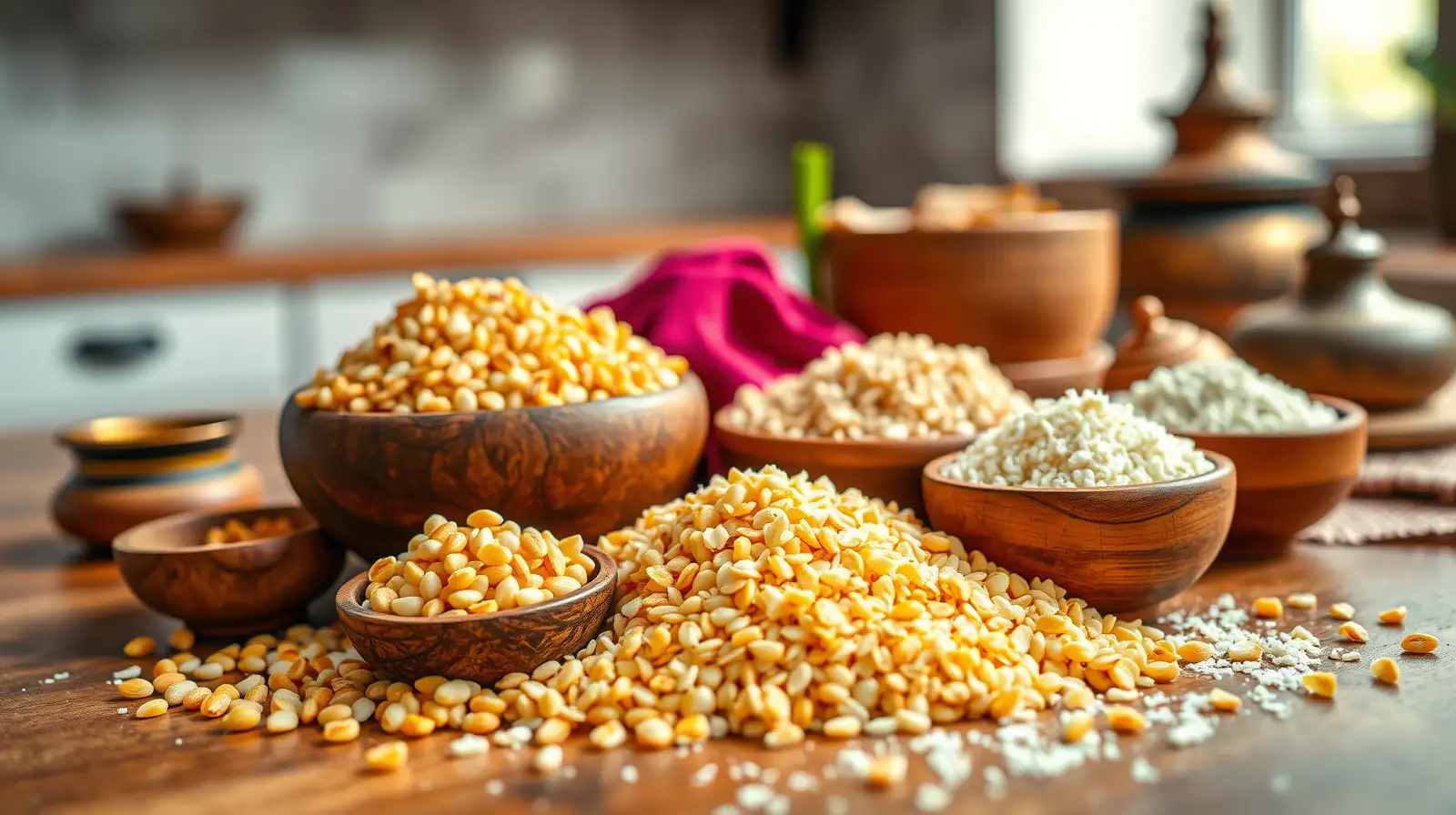
Choosing nutrient-rich options can make the fasting period more manageable. Rather than relying only on fried snacks or sweets, a varied plate can provide carbohydrates, protein, healthy fats and essential nutrients.
Navratri food rules are not identical everywhere, so devotees should follow the practices observed in their household or community. Anyone with a medical condition, taking regular medication or planning a strict fast should seek medical advice before making major dietary changes.
Choosing nutrient-rich options can make the fasting period more manageable. Rather than relying only on fried snacks or sweets, a varied plate can provide carbohydrates, protein, healthy fats and essential nutrients.
1. Sweet potatoes
Sweet potatoes are a popular fasting food and provide carbohydrates, fibre and several micronutrients. They can be boiled, roasted or lightly cooked with permitted spices and sendha namak for a filling meal.2. Makhana
Makhana, or fox nuts, can be roasted and eaten as a light snack. They are commonly used during Navratri and can add some protein and minerals to the diet without requiring complicated preparation.3. Fruits
Fresh fruits are among the simplest foods to include during Navratri fasting. Bananas, apples, oranges, papaya, guava and pomegranate can provide carbohydrates, fibre, vitamins and fluids. Choosing whole fruit rather than relying heavily on juices can also provide more fibre.You may also like
- 'Dubai ka civic sense, Delhi people can learn': Indian man in Dubai highlights how simple traffic discipline keeps intersections moving smoothly
- Eczema in Indian Weather: How Humidity and Winter Affect Your Skin
- Food, homes and family: The many ways home travels
- “When a woman starts earning, the impact ripples through...”: Gig worker couple earns up to ₹1 lakh a month, enrolls child in school 'with ₹1.5 lakh annual fees'
- RBI Repo Rate Hike: Repo rate raised by 0.25% – how much will your EMI increase on a ₹50 lakh home loan?
4. Nuts and seeds
Almonds, walnuts, peanuts and seeds can make fasting meals more satisfying. They contain healthy fats and provide varying amounts of protein and minerals. Because nuts are energy-dense, modest portions are generally sufficient.5. Curd and milk
For devotees whose fasting rules permit dairy, curd and milk can be useful additions. Curd can be paired with fruit or used alongside a vrat-friendly meal, while milk can be consumed on its own or incorporated into permitted preparations.6. Sabudana
Sabudana is widely associated with Indian fasting and provides carbohydrates for energy. Sabudana khichdi can be prepared with peanuts and permitted seasonings. Since it is relatively low in protein and fibre, pairing it with suitable foods can make the meal more varied.7. Kuttu and rajgira
Buckwheat (kuttu) and amaranth (rajgira) are commonly used as alternatives to regular cereals during Navratri. They can be made into rotis, pancakes or other vrat-friendly dishes, depending on individual fasting customs.Navratri food rules are not identical everywhere, so devotees should follow the practices observed in their household or community. Anyone with a medical condition, taking regular medication or planning a strict fast should seek medical advice before making major dietary changes.






Loving Newspoint? Download the app now
