
Navratri 2026: Why Is Sendha Namak Used During Fasting Instead of Table Salt?

Navratri 2026 : Sendha namak , also known as rock salt, is a common ingredient in fasting meals prepared during the nine-day festival. From sabudana khichdi and vrat wale aloo to kuttu puri, many devotees use this salt instead of regular table salt while observing a fast. But why is sendha namak preferred during Navratri? The answer lies mainly in religious traditions and fasting customs. Although rock salt is often associated with health benefits, some popular claims about its nutritional value need a closer look.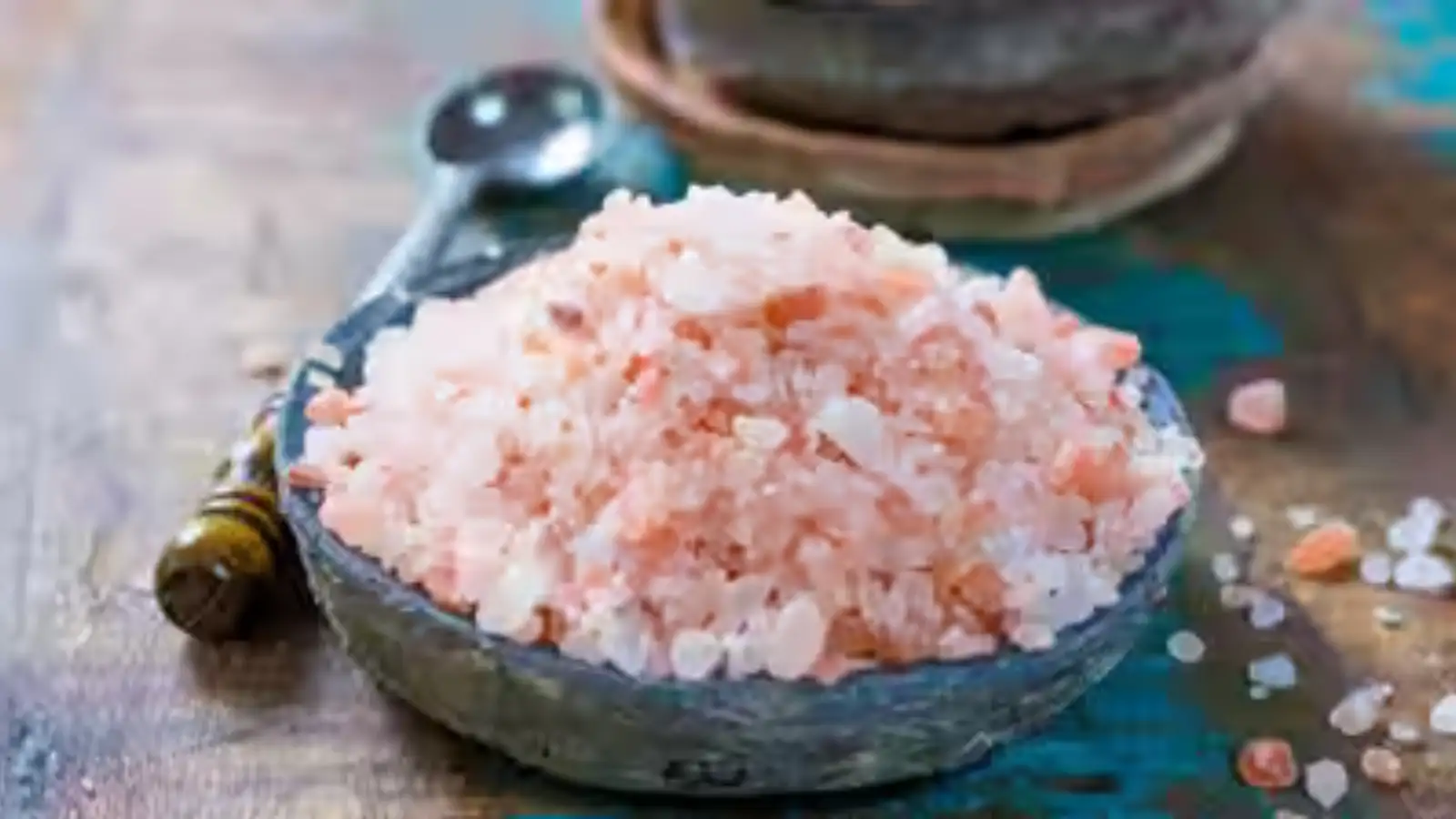
In many households, regular table salt is also avoided during vrat, while sendha namak is considered acceptable. It is used to season fasting dishes without going against these customs.
However, fasting practices are not identical everywhere. The ingredients allowed during Navratri can vary according to family traditions, regional customs and individual beliefs. Devotees generally follow the rules associated with their own religious practices.
Regular table salt is generally processed to produce uniform crystals and may contain added iodine. Some varieties also include anti-caking agents to prevent clumping. Sendha namak is often sold in a less-refined form, although its processing can vary by product.
Both rock salt and ordinary table salt consist mainly of sodium chloride. Therefore, the natural appearance of sendha namak does not automatically make it healthier than regular salt.
Here are some common claims about rock salt and what you should know about them.
A balanced diet, adequate water intake and regular physical activity are more reliable ways to support digestive health.
The liver and kidneys already perform essential functions that help process substances and remove waste from the body. Switching from table salt to rock salt does not replace these natural processes.
People with hypertension should monitor their total sodium intake and follow medical advice instead of assuming that rock salt is safer.
Coarse salt can also irritate the skin and scalp, particularly when rubbed vigorously. Gentle skincare and a balanced diet are more dependable approaches to maintaining healthy skin and hair.
Sendha namak is generally not a dependable source of iodine unless it has been specifically fortified. People who regularly use non-iodised salt should ensure that they obtain enough iodine through suitable dietary sources.
This does not mean devotees need to abandon sendha namak during Navratri. Instead, they should understand that its suitability for fasting is based primarily on tradition rather than any special nutritional advantage.
The World Health Organization recommends that adults consume less than 2,000 mg of sodium per day, equivalent to less than 5 grams of salt from all sources. People with high blood pressure, kidney problems or other medical conditions may need individual guidance from a healthcare professional.
It is also worth remembering that the amount of sodium in rock salt can vary depending on its composition and processing. Using a smaller quantity of salt overall is more important for sodium control than simply changing the type.
Sendha namak is used during Navratri mainly because many traditional fasting practices permit it as an alternative to regular table salt. It adds flavour to vrat-friendly dishes while allowing devotees to follow their dietary customs.
Although rock salt has a long history of traditional use, claims that it offers exceptional benefits for digestion, detoxification, blood pressure, skin or hair are not strongly supported by scientific evidence. Both sendha namak and regular salt should be consumed in moderation.
During Navratri 2026, choose your fasting ingredients according to your religious traditions, maintain a balanced diet and remember that the primary reason for using sendha namak is its place in fasting customs - not a proven health advantage.
Why Do People Use Sendha Namak During Navratri ?
The main reason devotees use sendha namak during Navratri is that it is permitted in many traditional fasting practices. During the festival, people follow specific dietary rules as part of their religious observance. These rules may involve avoiding regular grains, certain vegetables and ingredients such as onion and garlic.In many households, regular table salt is also avoided during vrat, while sendha namak is considered acceptable. It is used to season fasting dishes without going against these customs.
However, fasting practices are not identical everywhere. The ingredients allowed during Navratri can vary according to family traditions, regional customs and individual beliefs. Devotees generally follow the rules associated with their own religious practices.
What Is Sendha Namak and How Is It Different From Table Salt?
Sendha namak is a naturally occurring rock salt obtained from underground mineral deposits. Also known as saindhava lavana, it is available in white, pinkish and other pale shades, depending on its mineral composition.Regular table salt is generally processed to produce uniform crystals and may contain added iodine. Some varieties also include anti-caking agents to prevent clumping. Sendha namak is often sold in a less-refined form, although its processing can vary by product.
Both rock salt and ordinary table salt consist mainly of sodium chloride. Therefore, the natural appearance of sendha namak does not automatically make it healthier than regular salt.
Is Sendha Namak Healthier Than Regular Salt?
Sendha namak is often promoted as a healthier alternative to table salt, but the difference is not as significant as many people believe. Both types contain sodium, and excessive sodium consumption can increase blood pressure and raise the risk of cardiovascular problems.Here are some common claims about rock salt and what you should know about them.
1. Does Sendha Namak Improve Digestion?
Rock salt has traditional uses in Ayurveda and is sometimes recommended in home remedies for digestive discomfort. However, strong scientific evidence supporting claims that it significantly improves digestion is limited.A balanced diet, adequate water intake and regular physical activity are more reliable ways to support digestive health.
2. Can Sendha Namak Detoxify the Body?
Some people believe that consuming rock salt helps remove toxins from the body. However, there is no strong scientific evidence that sendha namak has a special detoxifying effect.The liver and kidneys already perform essential functions that help process substances and remove waste from the body. Switching from table salt to rock salt does not replace these natural processes.
3. Is Sendha Namak Better for High Blood Pressure?
This is a common misconception. Sendha namak is not automatically a low-sodium alternative to regular table salt. Both contain sodium, and excessive intake of either can contribute to high blood pressure.People with hypertension should monitor their total sodium intake and follow medical advice instead of assuming that rock salt is safer.
4. Does Sendha Namak Improve Skin and Hair?
Rock salt is sometimes used in homemade scrubs and other beauty treatments. However, there is little convincing evidence that eating sendha namak directly improves skin health or promotes hair growth.Coarse salt can also irritate the skin and scalp, particularly when rubbed vigorously. Gentle skincare and a balanced diet are more dependable approaches to maintaining healthy skin and hair.
Sendha Namak vs Iodised Salt : What Should You Know?
One important nutritional difference is iodine. Regular table salt is commonly fortified with iodine, an essential mineral that helps the body produce thyroid hormones. These hormones play an important role in growth, metabolism and normal body functions.Sendha namak is generally not a dependable source of iodine unless it has been specifically fortified. People who regularly use non-iodised salt should ensure that they obtain enough iodine through suitable dietary sources.
This does not mean devotees need to abandon sendha namak during Navratri. Instead, they should understand that its suitability for fasting is based primarily on tradition rather than any special nutritional advantage.
How to Use Sendha Namak in Navratri Fasting Recipes
Sendha namak can be used in many dishes prepared during Navratri, depending on the fasting rules followed in your household. Popular options include:- Sabudana khichdi: Add rock salt to tapioca pearls, peanuts and permitted spices for a flavourful fasting meal.
- Vrat wale aloo: Season boiled potatoes with sendha namak and fasting-friendly spices.
- Kuttu puri: Use rock salt in the dough prepared with buckwheat flour, following your family's vrat rules.
- Fruit chaat: Sprinkle a small amount over permitted fruits for a simple fasting snack.
- Samak rice dishes: Add sendha namak to dishes made with barnyard millet where the grain is permitted during your fast.
Is Sendha Namak Safe to Consume Every Day?
Sendha namak can be used as a seasoning, but it should still be consumed in moderation. Its natural origin does not eliminate the effects of excessive sodium intake.The World Health Organization recommends that adults consume less than 2,000 mg of sodium per day, equivalent to less than 5 grams of salt from all sources. People with high blood pressure, kidney problems or other medical conditions may need individual guidance from a healthcare professional.
It is also worth remembering that the amount of sodium in rock salt can vary depending on its composition and processing. Using a smaller quantity of salt overall is more important for sodium control than simply changing the type.
Sendha namak is used during Navratri mainly because many traditional fasting practices permit it as an alternative to regular table salt. It adds flavour to vrat-friendly dishes while allowing devotees to follow their dietary customs.
Although rock salt has a long history of traditional use, claims that it offers exceptional benefits for digestion, detoxification, blood pressure, skin or hair are not strongly supported by scientific evidence. Both sendha namak and regular salt should be consumed in moderation.
During Navratri 2026, choose your fasting ingredients according to your religious traditions, maintain a balanced diet and remember that the primary reason for using sendha namak is its place in fasting customs - not a proven health advantage.
Next Story