
Neonatal Hypoglycaemia in Newborns: Symptoms, Causes and Treatment


The first few days after birth involve many changes as a newborn adapts to life outside the womb. During this time, some babies may struggle to maintain normal blood sugar levels, leading to neonatal hypoglycaemia. While it is more common in babies with certain risk factors, it can also occur unexpectedly.
Early recognition and appropriate treatment are important to keep your baby safe and healthy. In this guide, our expert explains the symptoms, causes, diagnosis, treatment, and when medical attention is needed.
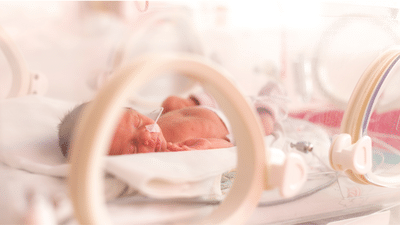
What Is Neonatal Hypoglycaemia?Neonatal hypoglycaemia means a newborn has a low blood sugar level. Blood sugar, also called glucose, gives the body and brain the energy they need to work properly. Before birth, babies get glucose from their mother through the placenta. After birth, they need to get it from feeding and their own energy stores.
According to the National Center for Biotechnology Information (NCBI) , neonatal hypoglycaemia is the most common metabolic disorder in newborns; approximately one in four babies is at risk for low blood sugar, and about half of these at-risk infants develop at least one episode of hypoglycaemia in the first two days of life.
Is Neonatal Hypoglycaemia Temporary?Most newborns have temporary (transient) hypoglycaemia, which usually resolves within the first few days after birth with regular feeding or treatment. However, some babies have persistent hypoglycaemia, where blood sugar remains low for longer and further tests may be needed to identify an underlying medical condition.
What Blood Sugar Level Is Considered Low in Newborns?Doctors use different blood sugar levels based on your baby's age after birth to decide when treatment may be needed.
The exact level may vary depending on your baby's symptoms and your doctor's clinical assessment.

What Causes Neonatal Hypoglycaemia?Possible causes of neonatal hypoglycemia include:
Difficulty feeding after birth: Missing or delayed feeds can cause blood sugar to fall. Rare hormonal or metabolic disorders: These conditions can affect how the body controls blood sugar. Symptoms of Neonatal HypoglycaemiaA newborn with low blood sugar may show one or more of the following signs:
Seizures in severe cases Treatment for Neonatal HypoglycaemiaThe treatment for neonatal hypoglycaemia depends on your baby's blood sugar level, symptoms, and overall health.
These include:
IV glucose: If your baby has very low blood sugar, cannot feed well, or has severe symptoms such as seizures, glucose may be given through a vein (IV). Your baby may need to stay in the NICU for close monitoring until blood sugar levels become normal. Treating the cause: If another health problem, such as an infection or hormone disorder, is causing low blood sugar, your doctor may treat that condition as well. Can Neonatal Hypoglycaemia Be Prevented?A few simple steps can reduce the risk, such as:
Premature babies, have a low birth weight, or are born to mothers with diabetes may need routine blood sugar checks after birth When Should Parents Seek Medical Attention?Seek medical attention immediately if your baby has:
Your doctor has advised blood sugar monitoring and the readings remain low Seeing your newborn need treatment for low blood sugar can feel overwhelming, but remember that this condition is often temporary and manageable. With timely care, regular feeding, and close monitoring, most babies recover well. Never hesitate to ask questions or seek medical help if you have concerns about your baby's health.
support group
FAQs on Neonatal Hypoglycaemia in Newborns: Symptoms, Causes and TreatmentCan neonatal hypoglycaemia affect my baby's brain?
In severe or prolonged cases, untreated neonatal hypoglycaemia may affect the brain. However, when low blood sugar is recognised and treated early, most babies recover well without long-term brain damage. Will my baby need NICU admission for neonatal hypoglycaemia?
Not all babies with neonatal hypoglycaemia need NICU care. Babies with mild low blood sugar may recover with regular feeding, while those with very low blood sugar or severe symptoms may need closer monitoring and treatment in the NICU.
Early recognition and appropriate treatment are important to keep your baby safe and healthy. In this guide, our expert explains the symptoms, causes, diagnosis, treatment, and when medical attention is needed.
What Is Neonatal Hypoglycaemia?Neonatal hypoglycaemia means a newborn has a low blood sugar level. Blood sugar, also called glucose, gives the body and brain the energy they need to work properly. Before birth, babies get glucose from their mother through the placenta. After birth, they need to get it from feeding and their own energy stores.
According to the National Center for Biotechnology Information (NCBI) , neonatal hypoglycaemia is the most common metabolic disorder in newborns; approximately one in four babies is at risk for low blood sugar, and about half of these at-risk infants develop at least one episode of hypoglycaemia in the first two days of life.
Is Neonatal Hypoglycaemia Temporary?Most newborns have temporary (transient) hypoglycaemia, which usually resolves within the first few days after birth with regular feeding or treatment. However, some babies have persistent hypoglycaemia, where blood sugar remains low for longer and further tests may be needed to identify an underlying medical condition.
What Blood Sugar Level Is Considered Low in Newborns?Doctors use different blood sugar levels based on your baby's age after birth to decide when treatment may be needed.
| Baby's Age | Blood Sugar Level That May Need Treatment |
| First 4 hours after birth | Below 40 mg/dL (2.2 mmol/L) |
| 4 to 24 hours after birth | Below 45 mg/dL (2.5 mmol/L) |
What Causes Neonatal Hypoglycaemia?Possible causes of neonatal hypoglycemia include:
- Born to mothers with diabetes: Their bodies may produce extra insulin after birth, lowering blood sugar.
- Premature babies: They have less stored energy and may struggle to keep blood sugar stable.
- Low birth weight: They have fewer glucose stores.
- Large babies (macrosomia): They have a higher chance of low blood sugar, especially if the mother has diabetes.
- Birth stress or oxygen deprivation: This can increase the baby's energy needs.
- Shaking of the hands, legs, or chin
- Poor feeding or refusing feeds
- Weak or high-pitched cry
- Unusual sleepiness or difficulty waking
- Low body temperature
- Bluish lips or skin
- Fast or difficult breathing
These include:
- Frequent feeding: If your baby's blood sugar is only slightly low, your doctor may advise breastfeeding, expressed breast milk, or formula milk. Early and frequent feeding is often enough to improve blood sugar levels.
- Dextrose gel: Some babies may be given a special sugar gel inside the cheek. It is quickly absorbed and helps raise blood sugar without causing pain.
- Feed your baby as soon as possible after birth
- Continue feeding regularly, especially during the first 24 hours
- Breastfeed frequently or as advised by your healthcare provider
- Keep your baby warm with skin-to-skin contact after delivery
- If you have diabetes during pregnancy, follow your doctor's advice to keep your blood sugar under control
- Your baby is not feeding well despite repeated attempts
- Your baby becomes less active or difficult to wake
- Your baby's condition does not improve after feeding
- You notice any sudden or unusual changes in your baby's behaviour
- Your baby has a seizure or loses consciousness
support group
FAQs on Neonatal Hypoglycaemia in Newborns: Symptoms, Causes and Treatment
In severe or prolonged cases, untreated neonatal hypoglycaemia may affect the brain. However, when low blood sugar is recognised and treated early, most babies recover well without long-term brain damage.
Not all babies with neonatal hypoglycaemia need NICU care. Babies with mild low blood sugar may recover with regular feeding, while those with very low blood sugar or severe symptoms may need closer monitoring and treatment in the NICU.
Next Story