
Newborn Weight Loss: Why It May Happen and What New Parents Should Know


Birth weight loss is one of the first things doctors monitor after your baby is born. These measurements help doctors assess your baby's feeding and overall health. A small drop in weight is common, but the amount can vary from one baby to another.
Many parents become concerned when they see a lower number on the weighing scale. Understanding how much weight loss is normal for a newborn can help you interpret these early weight changes. It can also help you know when routine monitoring is enough and when your baby may need additional feeding support or medical attention.
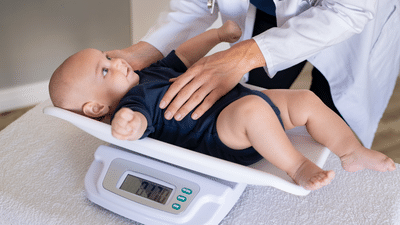
Why Do Newborns Lose Weight After Birth?Many parents expect their baby to gain weight immediately after birth. However, it is common for newborns to lose some weight during the first few days. This happens because your baby is adjusting to life outside the womb.
After birth, your baby loses extra body fluids that were present during pregnancy. Your baby also passes the first stools, called meconium, which can cause a slight drop in weight. At the same time, your baby's stomach is very small and can hold only small amounts of milk. If you are breastfeeding, your milk supply may also take a few days to increase.
How Much Weight Loss Is Considered Normal?The table below shows how much weight loss is usually considered normal during the first few days after birth.
For example, if your baby weighs 3 kg at birth, a weight loss of about 150 to 300 grams is usually considered normal.
Not all babies lose the same amount of weight after birth. Some babies may lose only a small amount, while others may lose slightly more.

Does Feeding Method Affect Weight Loss?Yes, the feeding method can affect how much weight a baby loses during the first few days.
Breastfed Babies: Babies may lose slightly more weight before the milk supply increases.
Formula-Fed Babies: Weight loss may be slightly less because milk intake is easier to measure.
Mixed Feeding Babies: Weight changes can vary depending on how much breast milk and formula the baby receives.
How Doctors Monitor Newborn WeightDoctors may monitor your baby's weight in the following ways:
Many newborns regain their birth weight within 10 to 14 days. However, every baby is different. Some babies may take a little longer, especially if they were born early or had feeding difficulties.
When to Speak With Your DoctorSpeak with your doctor if you notice any of the following:
You have concerns about your baby's feeding or growth Some weight loss during the first few days is a normal part of your baby's transition after birth. Regular feeding, follow-up visits, and monitoring can help ensure healthy growth. If you have concerns about your baby's weight, speaking with your doctor can provide reassurance and support.
Many parents become concerned when they see a lower number on the weighing scale. Understanding how much weight loss is normal for a newborn can help you interpret these early weight changes. It can also help you know when routine monitoring is enough and when your baby may need additional feeding support or medical attention.
Why Do Newborns Lose Weight After Birth?Many parents expect their baby to gain weight immediately after birth. However, it is common for newborns to lose some weight during the first few days. This happens because your baby is adjusting to life outside the womb.
After birth, your baby loses extra body fluids that were present during pregnancy. Your baby also passes the first stools, called meconium, which can cause a slight drop in weight. At the same time, your baby's stomach is very small and can hold only small amounts of milk. If you are breastfeeding, your milk supply may also take a few days to increase.
How Much Weight Loss Is Considered Normal?The table below shows how much weight loss is usually considered normal during the first few days after birth.
| Percentage of Weight Loss | What It Usually Means |
| Up to 5% | Usually normal |
| 5% to 10% | Common in many newborns |
| More than 10% | Speak with your doctor |
Not all babies lose the same amount of weight after birth. Some babies may lose only a small amount, while others may lose slightly more.
Does Feeding Method Affect Weight Loss?Yes, the feeding method can affect how much weight a baby loses during the first few days.
Breastfed Babies: Babies may lose slightly more weight before the milk supply increases.
Formula-Fed Babies: Weight loss may be slightly less because milk intake is easier to measure.
Mixed Feeding Babies: Weight changes can vary depending on how much breast milk and formula the baby receives.
How Doctors Monitor Newborn WeightDoctors may monitor your baby's weight in the following ways:
- Checking your baby's weight soon after birth
- Measuring weight before hospital discharge
- Scheduling follow-up weight checks during the first weeks
- Asking about feeding frequency and milk intake
- Reviewing the number of wet and dirty diapers
- Using growth charts to track your baby's progress over time
- Feed your baby whenever they show hunger signs
- Make sure your baby is latching properly during breastfeeding
- Feed your baby regularly, including during the night
- Keep track of wet and dirty diapers
- Attend follow-up visits to monitor your baby's weight
- Ask your doctor or a lactation consultant if you experience feeding problems
Many newborns regain their birth weight within 10 to 14 days. However, every baby is different. Some babies may take a little longer, especially if they were born early or had feeding difficulties.
When to Speak With Your DoctorSpeak with your doctor if you notice any of the following:
- Your baby loses more than 10% of their birth weight
- Your baby is not gaining weight after the first few days
- Your baby has fewer wet diapers than expected
- Your baby has difficulty feeding or refuses feeds
- Your baby seems very sleepy or difficult to wake
- Your baby shows signs of dehydration, such as a dry mouth or reduced urine output
Next Story