
Embracing the Dark: How Nocturnal Tourism, Stargazing Retreats, and Peaceful Night Walks Are Changing Travel

For decades, the standard holiday recipe was built around sunshine, daytime sightseeing, and chasing picturesque sunsets. However, as city lights expand and modern screens flood our daily lives with constant artificial glow, genuine darkness has become a rare luxury. In response, an inspiring travel movement known as nocturnal tourism is capturing the imagination of holidaymakers across the globe. Instead of waking up early to beat the crowds at busy monuments, travellers are heading out after dusk to explore the natural world under the stars.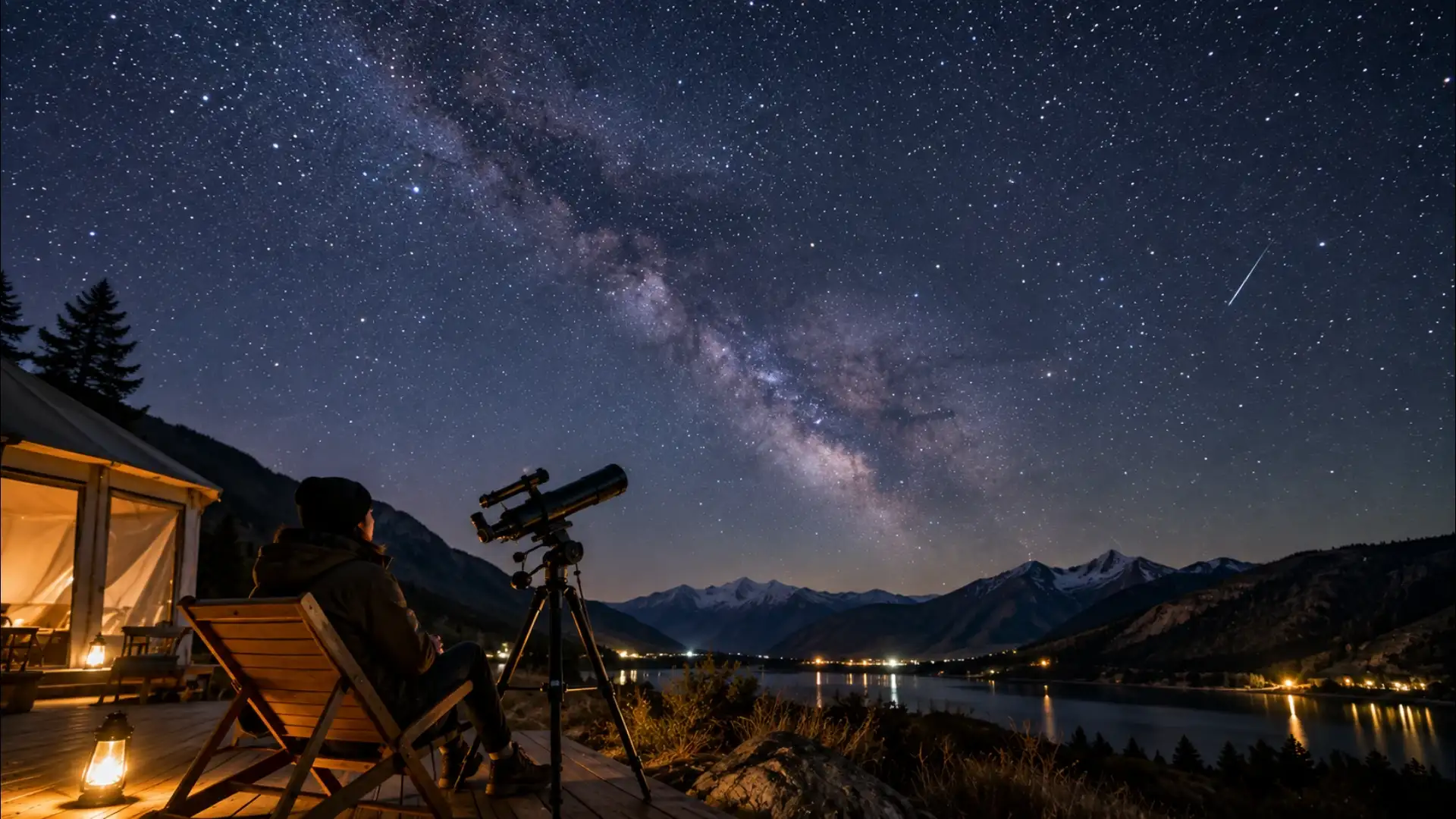
From dedicated stargazing retreats and protected dark-sky parks to guided peaceful night walks , exploring the planet after dark offers a deeply calming alternative to conventional travel.
Visiting a dark-sky park or staying at specialised stargazing retreats allows travellers to reconnect with the universe. Equipped with high-powered telescopes, comfortable outdoor loungers, and guidance from local astronomers, guests can view meteor showers, distant planets, and shimmering nebulae in breathtaking detail. These experiences provide a powerful sense of wonder and perspective that daytime sightseeing simply cannot replicate.
The gentle crunch of gravel underfoot, the cool evening air, the rustle of leaves, and the distant call of nocturnal wildlife create a quiet, meditative environment. Free from the usual distractions of mobile phones and daytime noise, a night walk calms an overstimulated mind and helps reset your natural biological clock, leading to deeper sleep and improved mental well-being.
Furthermore, many historic towns and rural villages are offering atmospheric moonlit heritage walks, allowing visitors to appreciate architecture and local history without pushing through dense crowds. Exploring places at night feels personal, quiet, and wonderfully intimate.
From dedicated stargazing retreats and protected dark-sky parks to guided peaceful night walks , exploring the planet after dark offers a deeply calming alternative to conventional travel.
1. The Magic of Dark-Sky Parks and Stargazing Retreats
Excessive artificial light pollution in urban areas means that millions of people can no longer see the Milky Way from their own gardens. This reality has led to the creation of certified dark-sky parks and reserves around the world specially protected areas where outdoor lighting is strictly controlled to preserve the clarity of the night sky.Visiting a dark-sky park or staying at specialised stargazing retreats allows travellers to reconnect with the universe. Equipped with high-powered telescopes, comfortable outdoor loungers, and guidance from local astronomers, guests can view meteor showers, distant planets, and shimmering nebulae in breathtaking detail. These experiences provide a powerful sense of wonder and perspective that daytime sightseeing simply cannot replicate.
2. Reconnecting with Nature Through Peaceful Night Walks
Beyond astronomy, nocturnal tourism encourages a richer, sensory connection with the earth through peaceful night walks. Walking through a forest, coastal path, or countryside trail after nightfall forces you to rely on senses other than sight.You may also like
- That empty wall doesn't need another painting: 8 DIY ideas to turn blank space into something useful
- How to remove stubborn turmeric stains from containers and hands using simple home remedies
- Meet Dr Neeraja Nagarajan: After 13 years in America, this physician-scientist and former McKinsey executive moved to India and her story is going viral
- Monsoon Making Your Joints Ache? Here's Why Rainy Weather Can Trigger Knee and Back Pain
- Planning a trip during Sawan? Pushkar's Nag Pahar has emerged as Rajasthan's new monsoon hotspot..
The gentle crunch of gravel underfoot, the cool evening air, the rustle of leaves, and the distant call of nocturnal wildlife create a quiet, meditative environment. Free from the usual distractions of mobile phones and daytime noise, a night walk calms an overstimulated mind and helps reset your natural biological clock, leading to deeper sleep and improved mental well-being.
3. Wildlife Encounters and Cultural Night Discoveries
Another thrilling aspect of nocturnal tourism is the opportunity to observe wildlife that only emerges after dark. Guided night safaris, woodland bat walks, and nocturnal rainforest tours reveal an entirely hidden world of active animals, nocturnal birds, and glowing bioluminescent fungi or marine life.Furthermore, many historic towns and rural villages are offering atmospheric moonlit heritage walks, allowing visitors to appreciate architecture and local history without pushing through dense crowds. Exploring places at night feels personal, quiet, and wonderfully intimate.
4. The Mental Health Benefits of Starbathing
Psychologists and wellness experts increasingly highlight the psychological benefits of "starbathing" spending quiet, uninterrupted time resting under a clear night sky. Observing the vast expanse of the cosmos naturally induces feelings of awe, a state of mind proven to reduce stress levels, lower heart rates, and foster kindness. Choosing stargazing retreats over noisy resort nightlife provides an ideal setting for deep mental restoration.A Brighter Future in the Dark
As our world grows louder and brighter, learning to appreciate the beauty of natural darkness is essential. Nocturnal tourism is far more than a passing phase; it is an invitation to slow down, breathe deeply, and rediscover the timeless wonders above us. Whether you choose to visit certified dark-sky parks, book a weekend at specialized stargazing retreats, or simply take peaceful night walks in the countryside, stepping out after dark promises a truly unforgettable journey.





Loving Newspoint? Download the app now
