
Why Your Plant Looks Perfect in the Nursery But Struggles at Home

Bringing home a plant that looks lush, green and full of life can feel like an easy gardening win. Then, a few days later, the leaves may start drooping, growth can slow down, or the plant simply does not look as fresh as it did in the nursery. It is easy to wonder what went wrong. However, the plant may not have suddenly become unhealthy. It has simply moved from one environment to another, and those conditions can be very different.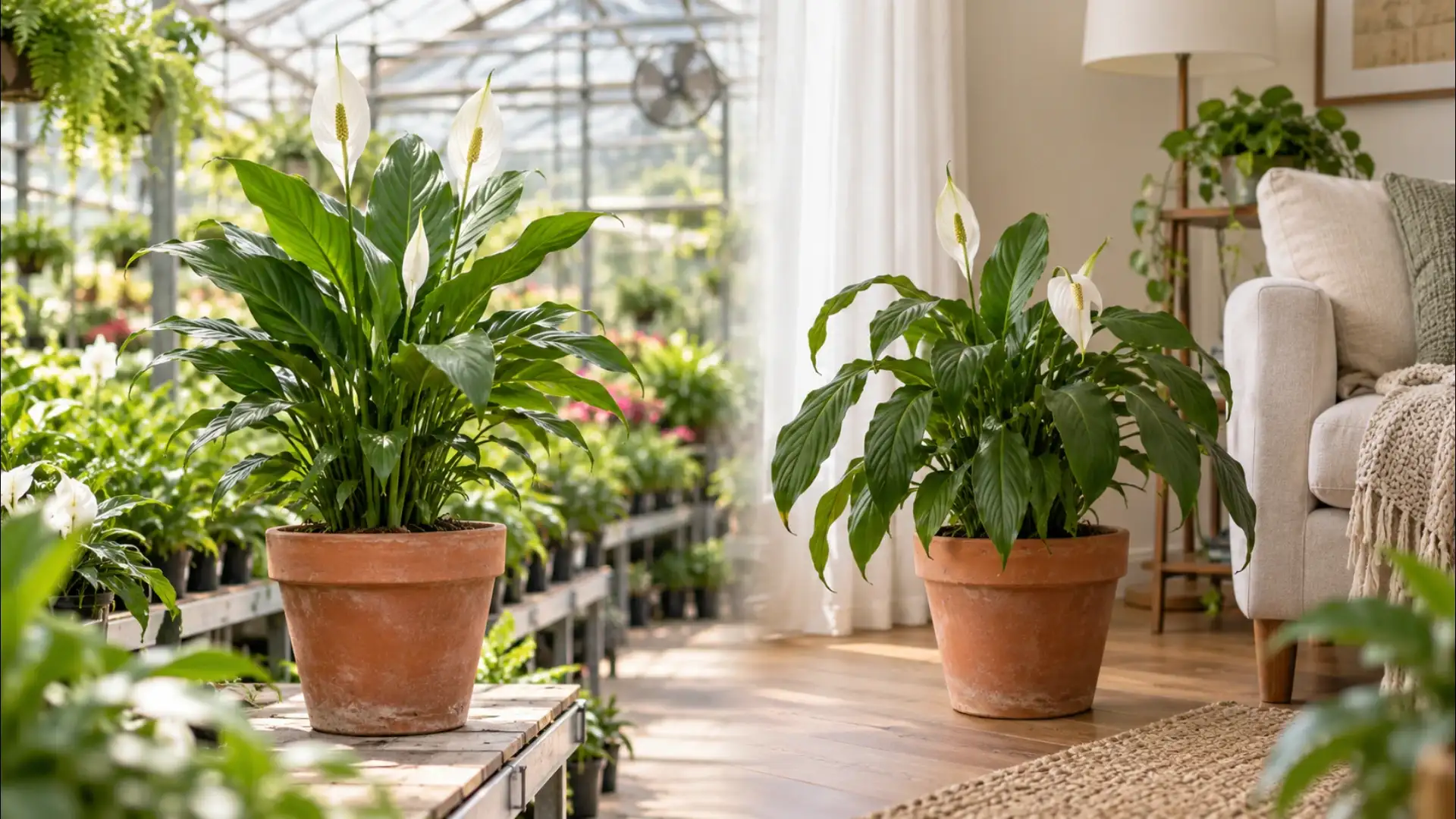
When you bring the plant home, it immediately enters a new environment. Even if the plant looks exactly the same on the first day, it still has to adjust to its new surroundings.
This is why a healthy-looking nursery plant can sometimes struggle after the move. The change itself can affect how the plant behaves.
A plant may have been growing in a bright location at the nursery, while its new spot at home may receive much less light. On the other hand, moving a plant from a protected space into very strong direct sunlight can also change its growing conditions.
Before deciding where to place a new plant, look at how much natural light reaches different areas of your home. A spot that looks bright to you may not provide the same conditions the plant was used to.
At a nursery, plants are cared for according to their growing conditions. At home, it is easy to water on a fixed schedule without considering what the plant actually needs at that moment.
Too much or too little water can affect a plant's appearance. Instead of immediately increasing watering when leaves look unhappy, pay attention to the plant and its growing conditions.
The goal is not simply to water more often. It is to understand what your new plant needs in its new environment.
A plant that was growing comfortably in one environment may react when it is suddenly placed somewhere warmer, cooler or more enclosed. Indoor spaces can also have different levels of airflow depending on where the plant is placed.
This means the perfect-looking corner of your home may not necessarily be the best spot for every plant.
But constantly changing its surroundings can make it harder to understand what is actually affecting the plant.
Instead, pay attention to the new conditions and give the plant time to settle. Observe its leaves, soil and overall appearance rather than reacting to every small change.
Consider where you want to keep it and what the light and general conditions are like there. Then choose a plant that can suit that space.
A plant looking perfect in a nursery does not automatically mean it will thrive in every part of your home. The better match is between the plant and the conditions you can provide.
In the end, bringing a plant home is not just about finding the healthiest-looking one. It is also about understanding that its new environment will be different. Once you recognise that transition, those first signs of struggle become easier to understand and respond to.
The Nursery Is Not the Same as Your Home
A nursery is designed around plants. The amount of light, airflow, watering and general care can be very different from what a plant experiences in a living room, balcony or bedroom.When you bring the plant home, it immediately enters a new environment. Even if the plant looks exactly the same on the first day, it still has to adjust to its new surroundings.
This is why a healthy-looking nursery plant can sometimes struggle after the move. The change itself can affect how the plant behaves.
Light Can Change Everything
One of the biggest differences between a nursery and your home can be the amount and quality of light.A plant may have been growing in a bright location at the nursery, while its new spot at home may receive much less light. On the other hand, moving a plant from a protected space into very strong direct sunlight can also change its growing conditions.
Before deciding where to place a new plant, look at how much natural light reaches different areas of your home. A spot that looks bright to you may not provide the same conditions the plant was used to.
Your Watering Routine May Be Different
Watering is another area where things can change quickly.At a nursery, plants are cared for according to their growing conditions. At home, it is easy to water on a fixed schedule without considering what the plant actually needs at that moment.
Too much or too little water can affect a plant's appearance. Instead of immediately increasing watering when leaves look unhappy, pay attention to the plant and its growing conditions.
The goal is not simply to water more often. It is to understand what your new plant needs in its new environment.
Temperature and Airflow Matter Too
Your home may have very different temperature and airflow conditions from the nursery.A plant that was growing comfortably in one environment may react when it is suddenly placed somewhere warmer, cooler or more enclosed. Indoor spaces can also have different levels of airflow depending on where the plant is placed.
This means the perfect-looking corner of your home may not necessarily be the best spot for every plant.
Give New Plants Time to Adjust
It can be tempting to make several changes as soon as a new plant starts looking different. You may move it around, change its watering routine or shift it to another spot.But constantly changing its surroundings can make it harder to understand what is actually affecting the plant.
Instead, pay attention to the new conditions and give the plant time to settle. Observe its leaves, soil and overall appearance rather than reacting to every small change.
Choose the Right Spot Before You Buy
A simple way to make the transition easier is to think about your home before choosing the plant.Consider where you want to keep it and what the light and general conditions are like there. Then choose a plant that can suit that space.
A plant looking perfect in a nursery does not automatically mean it will thrive in every part of your home. The better match is between the plant and the conditions you can provide.
In the end, bringing a plant home is not just about finding the healthiest-looking one. It is also about understanding that its new environment will be different. Once you recognise that transition, those first signs of struggle become easier to understand and respond to.
Next Story