
Oatmeal or Cornflakes: Which Makes a Better Breakfast?

Breakfast is often called the most important meal of the day, and two of the most popular choices are oatmeal and cornflakes. Both are convenient and widely enjoyed, but they differ significantly in terms of nutrition, satiety, and overall health benefits. If you're wondering which one deserves a place in your morning routine, here's a closer look.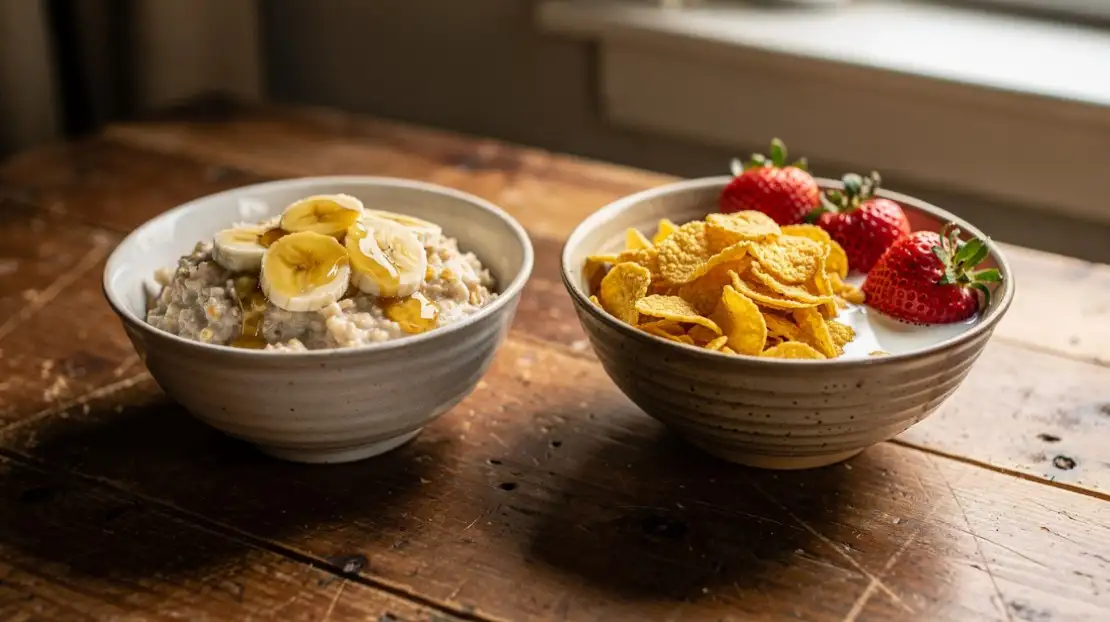
What Makes Oatmeal Special?
Oatmeal is made from whole oats and is naturally rich in fiber, especially a type called beta-glucan. This soluble fiber helps slow digestion, keeping you fuller for longer. Oatmeal also contains essential nutrients such as manganese, phosphorus, magnesium, and iron, making it a nutrient-dense breakfast option.
The Appeal of Cornflakes
Cornflakes have been a breakfast favorite for generations. They are quick to prepare, light on the stomach, and often fortified with vitamins and minerals. When paired with milk and fruit, cornflakes can provide a convenient and balanced start to the day, especially for people with busy schedules.
Which Keeps You Full Longer?
When it comes to staying satisfied, oatmeal usually has the upper hand. Its high fiber content slows digestion and helps reduce hunger between meals. Cornflakes, on the other hand, are generally lower in fiber and may be digested more quickly, potentially leading to hunger sooner.
Comparing Nutritional Value
Oatmeal naturally contains more fiber and protein than most traditional cornflakes. These nutrients contribute to better satiety and sustained energy. Cornflakes can provide important vitamins and minerals due to fortification, but some varieties may also contain added sugar, so checking nutrition labels is important.
Impact on Blood Sugar Levels
Because oatmeal is rich in soluble fiber, it tends to have a gentler effect on blood sugar levels. Cornflakes are often more refined and may cause a quicker rise in blood glucose, particularly when consumed without protein or healthy fats. Pairing cornflakes with milk, nuts, or seeds can help create a more balanced meal.
Heart Health Benefits
Oatmeal is widely recognized for its potential heart-health benefits. The beta-glucan fiber in oats may help support healthy cholesterol levels as part of a balanced diet. Cornflakes can be part of a heart-conscious breakfast too, but they generally do not provide the same amount of soluble fiber.
Convenience and Preparation
Cornflakes are hard to beat when it comes to speed. Simply pour them into a bowl, add milk, and breakfast is ready. Oatmeal requires a little more preparation, although instant oats and overnight oats have made it easier than ever to enjoy a quick bowl in the morning.
Taste and Versatility
Oatmeal is highly versatile and can be customized with fruits, nuts, seeds, spices, or nut butter. Cornflakes are usually enjoyed with milk and can also be topped with fruits for added flavor and nutrition. The better choice often depends on personal preference and dietary goals.
Who Should Choose Oatmeal?
People looking for a filling breakfast, increased fiber intake, or sustained energy throughout the morning may find oatmeal a better fit. It is especially popular among those focused on heart health, weight management, and balanced nutrition.
Both oatmeal and cornflakes can be part of a healthy breakfast, but oatmeal generally offers more fiber, better satiety, and a broader range of nutrients. Cornflakes remain a convenient and enjoyable option, especially when paired with nutrient-rich toppings. For most people seeking a more filling and nutrient-dense breakfast, oatmeal often comes out ahead, while cornflakes excel in convenience and simplicity.
Disclaimer: This article is for general informational purposes only and is not intended as medical or nutritional advice. Individual dietary needs and health goals vary. Consult a qualified healthcare professional or registered dietitian for personalized guidance.
What Makes Oatmeal Special?
Oatmeal is made from whole oats and is naturally rich in fiber, especially a type called beta-glucan. This soluble fiber helps slow digestion, keeping you fuller for longer. Oatmeal also contains essential nutrients such as manganese, phosphorus, magnesium, and iron, making it a nutrient-dense breakfast option. The Appeal of Cornflakes
Cornflakes have been a breakfast favorite for generations. They are quick to prepare, light on the stomach, and often fortified with vitamins and minerals. When paired with milk and fruit, cornflakes can provide a convenient and balanced start to the day, especially for people with busy schedules.Which Keeps You Full Longer?
When it comes to staying satisfied, oatmeal usually has the upper hand. Its high fiber content slows digestion and helps reduce hunger between meals. Cornflakes, on the other hand, are generally lower in fiber and may be digested more quickly, potentially leading to hunger sooner. Comparing Nutritional Value
Oatmeal naturally contains more fiber and protein than most traditional cornflakes. These nutrients contribute to better satiety and sustained energy. Cornflakes can provide important vitamins and minerals due to fortification, but some varieties may also contain added sugar, so checking nutrition labels is important.You may also like
- Can Phone Screens and Stress Affect Hair Health?
- What you keep eating, thinking it's a vegetable, is not a vegetable but a fruit; no food tastes good without it.
- Ink Stains On Clothes: No need to throw away your shirt; these things will remove stubborn ink stains in a jiffy.
- Chocolate Gifts For Girlfriend: These five chocolates are the perfect gift for your girlfriend; your princess will be overjoyed!
- From ajrakh to zardozi: The Indian textiles redefining fashion and décor
Impact on Blood Sugar Levels
Because oatmeal is rich in soluble fiber, it tends to have a gentler effect on blood sugar levels. Cornflakes are often more refined and may cause a quicker rise in blood glucose, particularly when consumed without protein or healthy fats. Pairing cornflakes with milk, nuts, or seeds can help create a more balanced meal. Heart Health Benefits
Oatmeal is widely recognized for its potential heart-health benefits. The beta-glucan fiber in oats may help support healthy cholesterol levels as part of a balanced diet. Cornflakes can be part of a heart-conscious breakfast too, but they generally do not provide the same amount of soluble fiber. Convenience and Preparation
Cornflakes are hard to beat when it comes to speed. Simply pour them into a bowl, add milk, and breakfast is ready. Oatmeal requires a little more preparation, although instant oats and overnight oats have made it easier than ever to enjoy a quick bowl in the morning. Taste and Versatility
Oatmeal is highly versatile and can be customized with fruits, nuts, seeds, spices, or nut butter. Cornflakes are usually enjoyed with milk and can also be topped with fruits for added flavor and nutrition. The better choice often depends on personal preference and dietary goals.Who Should Choose Oatmeal?
People looking for a filling breakfast, increased fiber intake, or sustained energy throughout the morning may find oatmeal a better fit. It is especially popular among those focused on heart health, weight management, and balanced nutrition. Both oatmeal and cornflakes can be part of a healthy breakfast, but oatmeal generally offers more fiber, better satiety, and a broader range of nutrients. Cornflakes remain a convenient and enjoyable option, especially when paired with nutrient-rich toppings. For most people seeking a more filling and nutrient-dense breakfast, oatmeal often comes out ahead, while cornflakes excel in convenience and simplicity.
Disclaimer: This article is for general informational purposes only and is not intended as medical or nutritional advice. Individual dietary needs and health goals vary. Consult a qualified healthcare professional or registered dietitian for personalized guidance.






More from our partners


Loving Newspoint? Download the app now
