
One drink order could make or break your interview: The unusual hiring rule of Bupa's CEO


Hiring the wrong senior executive can have lasting consequences for any large organisation, particularly one operating across dozens of countries. That is why some business leaders have moved far beyond the standard interview format, replacing short conversations with longer assessments designed to reveal how candidates think, communicate and behave in different situations.
As reported by Fortune, for Bupa chief executive Iñaki Ereño, a brief meeting simply does not provide enough information. Instead, he has built a recruitment process that stretches across several hours and different settings, allowing him to observe people outside the formal atmosphere of a meeting room. One part of that process has attracted particular attention because it centres on something most applicants would probably consider insignificant: what they choose to drink during a meal.
How a 6-hour interview became Bupa CEO's preferred hiring method
Ereño believes traditional interviews leave too much to chance. In his experience, a strong performance over a short conversation does not always translate into success once someone joins the business.
To reduce that risk, he prefers a process lasting around six hours, split into three separate meetings of roughly two hours each. He says adopting this approach has helped him make better hiring decisions by giving him a broader understanding of candidates before offering senior roles.
Bupa is one of Europe's largest healthcare companies, operating in around 190 countries and employing more than 100,000 people. The company reported revenue of £18.2 billion, or roughly $24.5 billion, during 2025, making executive recruitment an important decision with significant long-term impact.
How a simple drink order becomes part of the interview
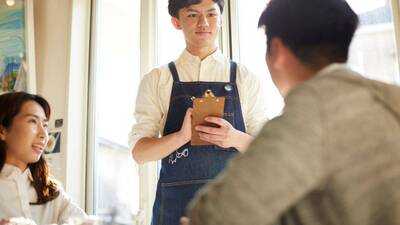
The second stage of the interview moves away from the office and into a restaurant, where Ereño believes people behave more naturally.
Rather than focusing only on professional achievements, he watches everyday interactions that may reveal confidence, judgement and personal conduct.
“How you treat the waiter, for me, is an obsession,” Ereño adds. “I want to see how nice you are. You need to be respectful.”
If he orders water, he does not expect the other person to copy his choice automatically. Instead, he says he appreciates applicants who comfortably ask for something different, such as a glass of wine, if that is genuinely what they would prefer.
For Ereño, the decision is less about the drink itself than whether someone feels comfortable making an independent choice instead of following the lead of the person across the table.
“I tend not to like people that don’t have any initiative,” Ereño tells. “Imagine if my drink is a glass of water. I’m very happy with someone who says, ‘Do you mind if I have a glass of wine?’”
The qualities Bupa's CEO looks for away from the office
The meal is also an opportunity to observe how candidates treat restaurant staff.
Ereño has said he pays close attention to courtesy, respect and general behaviour during the interaction. Those moments, away from presentation slides and prepared interview answers, can provide a different picture of someone's character.
He also watches body language and how people carry themselves once the setting becomes less formal. The aim is to understand how they behave when the conversation feels more relaxed rather than carefully rehearsed.
A final conversation goes beyond the CV
After the restaurant meeting, candidates return to the office for another lengthy discussion.
This final stage moves away from employment history and explores broader personal questions. Ereño wants to understand what interests people outside work, what they expect from Bupa and why they believe they would fit within the organisation.
The extended format is intended to build a fuller picture of each individual rather than relying on qualifications and interview technique alone.
Other business leaders use their own interview tests from Steve Jobs to Steven Bartlett
Ereño's approach is unusual, but it is far from unique. Several well-known business leaders have relied on informal situations to learn more about candidates than a conventional interview might reveal.
As reported by Fortune, for Bupa chief executive Iñaki Ereño, a brief meeting simply does not provide enough information. Instead, he has built a recruitment process that stretches across several hours and different settings, allowing him to observe people outside the formal atmosphere of a meeting room. One part of that process has attracted particular attention because it centres on something most applicants would probably consider insignificant: what they choose to drink during a meal.
How a 6-hour interview became Bupa CEO's preferred hiring method
Ereño believes traditional interviews leave too much to chance. In his experience, a strong performance over a short conversation does not always translate into success once someone joins the business.
To reduce that risk, he prefers a process lasting around six hours, split into three separate meetings of roughly two hours each. He says adopting this approach has helped him make better hiring decisions by giving him a broader understanding of candidates before offering senior roles.
Bupa is one of Europe's largest healthcare companies, operating in around 190 countries and employing more than 100,000 people. The company reported revenue of £18.2 billion, or roughly $24.5 billion, during 2025, making executive recruitment an important decision with significant long-term impact.
How a simple drink order becomes part of the interview
The second stage of the interview moves away from the office and into a restaurant, where Ereño believes people behave more naturally.
Rather than focusing only on professional achievements, he watches everyday interactions that may reveal confidence, judgement and personal conduct.
“How you treat the waiter, for me, is an obsession,” Ereño adds. “I want to see how nice you are. You need to be respectful.”
If he orders water, he does not expect the other person to copy his choice automatically. Instead, he says he appreciates applicants who comfortably ask for something different, such as a glass of wine, if that is genuinely what they would prefer.
For Ereño, the decision is less about the drink itself than whether someone feels comfortable making an independent choice instead of following the lead of the person across the table.
“I tend not to like people that don’t have any initiative,” Ereño tells. “Imagine if my drink is a glass of water. I’m very happy with someone who says, ‘Do you mind if I have a glass of wine?’”
The qualities Bupa's CEO looks for away from the office
The meal is also an opportunity to observe how candidates treat restaurant staff.
Ereño has said he pays close attention to courtesy, respect and general behaviour during the interaction. Those moments, away from presentation slides and prepared interview answers, can provide a different picture of someone's character.
He also watches body language and how people carry themselves once the setting becomes less formal. The aim is to understand how they behave when the conversation feels more relaxed rather than carefully rehearsed.
A final conversation goes beyond the CV
After the restaurant meeting, candidates return to the office for another lengthy discussion.
This final stage moves away from employment history and explores broader personal questions. Ereño wants to understand what interests people outside work, what they expect from Bupa and why they believe they would fit within the organisation.
The extended format is intended to build a fuller picture of each individual rather than relying on qualifications and interview technique alone.
Other business leaders use their own interview tests from Steve Jobs to Steven Bartlett
Ereño's approach is unusual, but it is far from unique. Several well-known business leaders have relied on informal situations to learn more about candidates than a conventional interview might reveal.
Next Story