
Master the One-Pan Dinner Formula for Effortless Weeknight Cooking

After a long and tiring workday, the last thing anyone wants to face is a kitchen sink filled with dirty pots, greasy pans, and countless cooking utensils. This daily chore fatigue is exactly why the one-pan dinner formula has become a beloved cooking strategy for busy households. By cooking your entire meal in a single frying pan, roasting tray, or skillet, you cut down washing up time drastically while preserving rich flavours. The core secret of a successful one-pan dinner formula lies in balancing your ingredients so that proteins, carbohydrates, and fresh vegetables all finish cooking at the exact same moment. Mastering this simple culinary approach turns chaotic weeknight meal preparation into a calm, enjoyable, and efficient routine.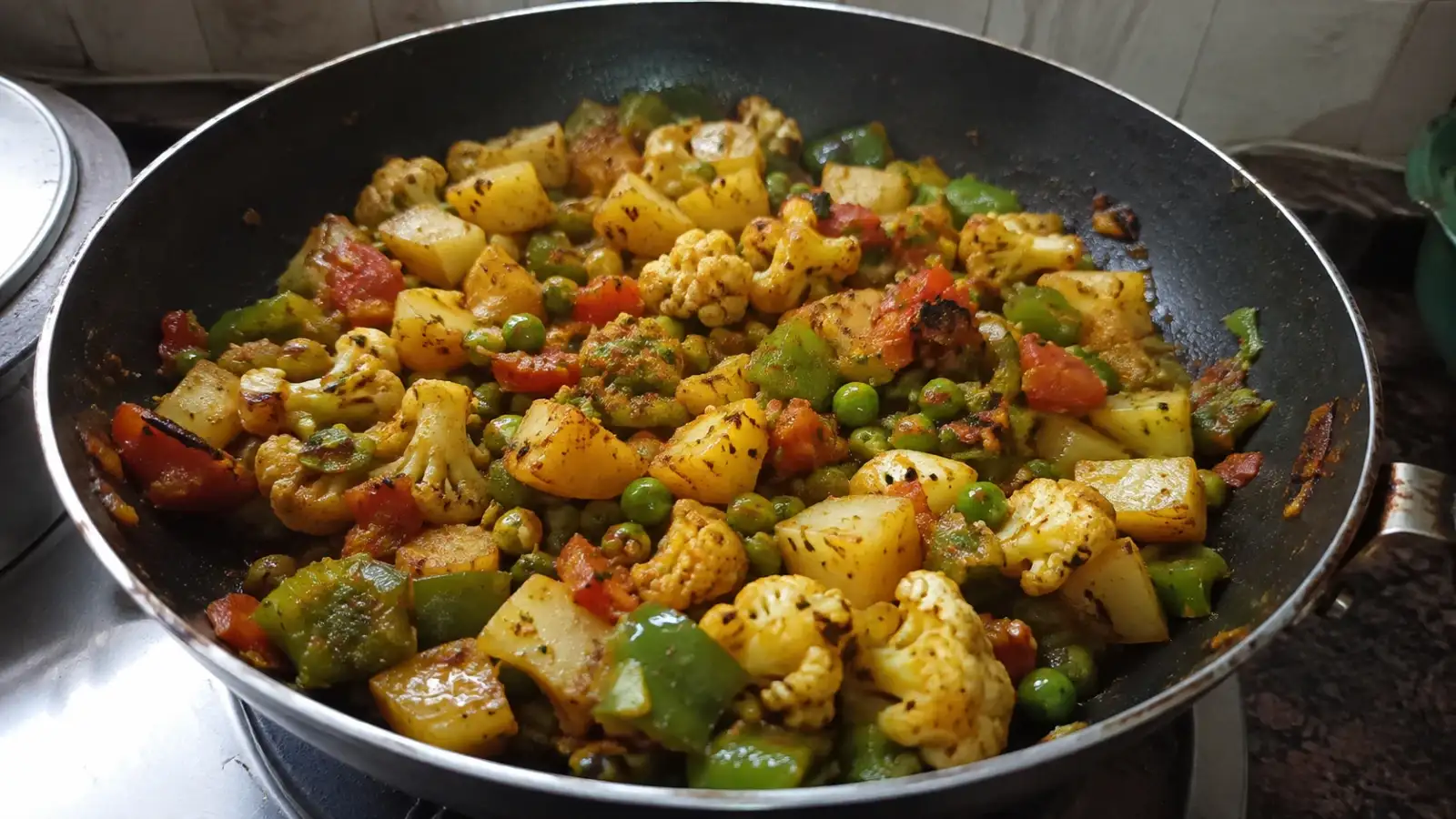
Choosing the Best Pan for One-Pan Meal Success
To make the one-pan dinner formula work smoothly in your kitchen, selecting the right cookware is vital. A heavy cast-iron skillet, a wide stainless-steel saute pan with high sides, or a sturdy rimmed sheet pan are the absolute best tools for the job. These vessels distribute heat evenly across the surface, preventing cold spots that cause food to cook unevenly. High sides are particularly useful because they trap moisture when you want to simmer rice, pasta, or vegetables alongside your chosen protein. Investing in a solid, versatile pan ensures that heat travels efficiently through every layer of your dish, giving you crispy textures and tender bites every single time.
Selecting Proteins and Staggering Cooking Times
Building a complete meal in one cooking vessel requires a clear understanding of ingredient timing. Thicker proteins like chicken breasts, pork chops, or salmon fillets need more heat and time than delicate vegetables like spinach or cherry tomatoes. The one-pan dinner formula relies on a simple staggered approach. Start by searing your protein first to develop a golden, flavourful crust on the outside. Once the meat or fish is partially cooked, push it to the edge of the pan or temporarily set it aside on a plate while you toss in your firm vegetables like diced potatoes, carrots, or broccoli. Staggering ingredients ensures that nothing ends up burnt, raw, or mushy.
Adding Complex Carbohydrates and Building Rich Sauces
A truly satisfying meal needs healthy carbohydrates to keep you feeling full and energized. The one-pan dinner formula accommodates starches like quick-cooking rice, quinoa, or small pasta shapes effortlessly. Once your vegetables and seared protein are in the pan, pour in your dry starches along with a flavourful liquid like vegetable stock, coconut milk, or chopped canned tomatoes. As the pan simmers on medium heat, the grains absorb the seasoned broth alongside the natural juices released from the browning meat and vegetables. This creates a rich, self-saucing meal where every single element tastes deeply seasoned and unified.
Finishing with Fresh Herbs and Simple Garnishes
The final step of the one-pan dinner formula elevates a simple home-cooked meal into something truly special. Just before taking your cookware off the stove or out of the oven, add quick-cooking greens like baby spinach or peas, allowing them to wilt gently in the residual heat. Finish your dish with a bright burst of fresh lemon juice, a drizzle of extra virgin olive oil, or a handful of chopped fresh herbs like parsley and basil. Serving your creation directly from the pan right onto the dining table keeps the food piping hot and saves you from washing extra serving platters.
Choosing the Best Pan for One-Pan Meal Success
To make the one-pan dinner formula work smoothly in your kitchen, selecting the right cookware is vital. A heavy cast-iron skillet, a wide stainless-steel saute pan with high sides, or a sturdy rimmed sheet pan are the absolute best tools for the job. These vessels distribute heat evenly across the surface, preventing cold spots that cause food to cook unevenly. High sides are particularly useful because they trap moisture when you want to simmer rice, pasta, or vegetables alongside your chosen protein. Investing in a solid, versatile pan ensures that heat travels efficiently through every layer of your dish, giving you crispy textures and tender bites every single time.
You may also like
- Tanning or Pigmentation? Dermatologist Explains How to Tell the Difference and What You Can Do
- Ate Too Much on Rakhi? Try These Simple Ways to Ease Bloating and Get Your Digestion Back on Track
- Dandruff and Hair Fall Together? Dermatologist Reveals What You Should Do and Which Mistakes to Avoid
- H1N1 Cases Are Rising in Delhi: Could Swine Flu Turn Into Another COVID-Like Crisis?
- Sonali Bendre serves timeless elegance in cobalt blue kaftan set
Selecting Proteins and Staggering Cooking Times
Building a complete meal in one cooking vessel requires a clear understanding of ingredient timing. Thicker proteins like chicken breasts, pork chops, or salmon fillets need more heat and time than delicate vegetables like spinach or cherry tomatoes. The one-pan dinner formula relies on a simple staggered approach. Start by searing your protein first to develop a golden, flavourful crust on the outside. Once the meat or fish is partially cooked, push it to the edge of the pan or temporarily set it aside on a plate while you toss in your firm vegetables like diced potatoes, carrots, or broccoli. Staggering ingredients ensures that nothing ends up burnt, raw, or mushy.
Adding Complex Carbohydrates and Building Rich Sauces
A truly satisfying meal needs healthy carbohydrates to keep you feeling full and energized. The one-pan dinner formula accommodates starches like quick-cooking rice, quinoa, or small pasta shapes effortlessly. Once your vegetables and seared protein are in the pan, pour in your dry starches along with a flavourful liquid like vegetable stock, coconut milk, or chopped canned tomatoes. As the pan simmers on medium heat, the grains absorb the seasoned broth alongside the natural juices released from the browning meat and vegetables. This creates a rich, self-saucing meal where every single element tastes deeply seasoned and unified.
Finishing with Fresh Herbs and Simple Garnishes
The final step of the one-pan dinner formula elevates a simple home-cooked meal into something truly special. Just before taking your cookware off the stove or out of the oven, add quick-cooking greens like baby spinach or peas, allowing them to wilt gently in the residual heat. Finish your dish with a bright burst of fresh lemon juice, a drizzle of extra virgin olive oil, or a handful of chopped fresh herbs like parsley and basil. Serving your creation directly from the pan right onto the dining table keeps the food piping hot and saves you from washing extra serving platters.






Loving Newspoint? Download the app now
