
How to Make One Pot Rajma Rice for a Comforting Weeknight Dinner

Rajma rice is one of those comforting Indian meals that can turn a handful of basic ingredients into a filling dinner. Traditionally, rajma is cooked separately as a thick tomato based curry and served with steamed rice. A one pot version simplifies the process by bringing the kidney beans, rice, vegetables and spices together in the same cooking vessel.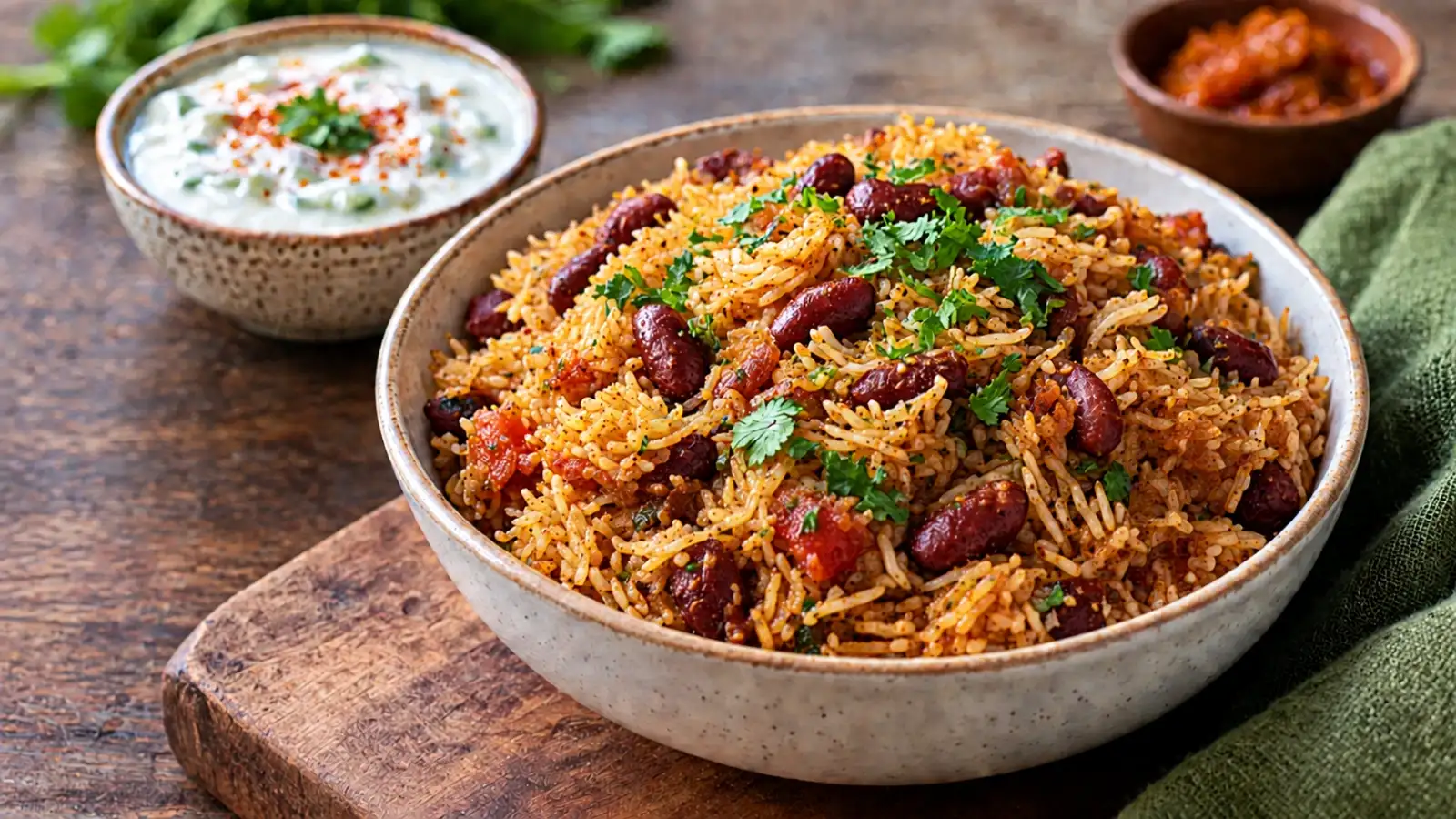
For a genuinely quick dinner, it is best to use pre-cooked or canned kidney beans. Dried rajma needs several hours of soaking and considerably longer cooking before it becomes tender. Recipes using soaked dried rajma typically require pressure cooking first, while canned or already cooked beans make a much faster one pot meal possible.
This version has the familiar onion, tomato and spice base associated with rajma, but the rice cooks directly in the seasoned mixture. The result is somewhere between rajma chawal and a lightly spiced rice dish, with creamy beans, fluffy grains and a rich tomato flavour in every spoonful.
You will also need 1 medium onion, 2 medium tomatoes, 3 to 4 garlic cloves, about 1 teaspoon grated ginger and 1 green chilli if you like some heat. For the spices, keep 1 teaspoon cumin seeds, half a teaspoon turmeric, 1 teaspoon Kashmiri chilli powder, 1 teaspoon coriander powder and 1 teaspoon garam masala ready.
For cooking, use around 1½ tablespoons oil or ghee, approximately 2 cups of water or vegetable stock, and salt according to taste. Finish the dish with fresh coriander and a small squeeze of lemon juice.
If you are using canned kidney beans, drain them and rinse them under fresh water. If using leftover cooked rajma, make sure the beans are already completely tender before starting the recipe.
Do not try to cook dry kidney beans and rice together from the beginning. Rajma takes substantially longer to become fully tender than rice, so starting with uncooked dried beans would leave the rice overcooked before the beans are ready.
Add the finely chopped onion and cook until it becomes soft and lightly golden. Stir in the ginger, garlic and green chilli and cook for another minute, keeping the heat moderate so the garlic does not burn.
Add the chopped tomatoes, turmeric, Kashmiri chilli powder and coriander powder. Cook the mixture for several minutes, stirring occasionally, until the tomatoes soften and the masala becomes thick.
This stage is important because properly cooking the onion and tomato mixture gives the finished rice much more depth than simply adding all the ingredients to water at once.
Add the drained rice and gently fold everything together. Avoid vigorous stirring because soaked rice grains can break easily.
Pour in approximately 2 cups of hot water or vegetable stock and add salt. The exact amount of liquid may need slight adjustment depending on the rice variety and the size of your cooking vessel.
Bring the mixture to a gentle boil, then reduce the heat to low.
Avoid repeatedly lifting the lid while the rice cooks because steam is important for cooking the grains evenly. If the liquid has been absorbed but the rice still feels undercooked, add a small splash of hot water, cover the pot again and continue cooking.
Once the rice is tender, turn off the heat and leave the pot covered for around 5 minutes. This resting period allows the remaining steam to finish cooking the rice and helps the grains settle.
Sprinkle in the garam masala and fresh coriander. Add a small squeeze of lemon juice to brighten the tomato and spice flavours.
If you prefer a slightly creamier texture, gently press a few kidney beans against the side of the pot while mixing. Their soft interiors can naturally thicken the surrounding sauce without requiring cream.
For extra flavour, stir in a small amount of crushed kasuri methi towards the end. It pairs particularly well with tomato based rajma dishes and can give the rice a more pronounced North Indian character.
You can also add finely chopped capsicum or grated carrot along with the onion. If using vegetables that release a lot of water, keep the additional liquid in mind when adding the stock.
They should then be pressure cooked until completely tender before being combined with the rice. Properly cooked rajma should not have a hard or raw centre. Cooking times vary depending on the age and variety of the beans, so tenderness is more important than following a fixed number of minutes.
For a quick weeknight dinner, keeping cooked rajma in the refrigerator or freezer can make this recipe considerably faster.
Another common mistake is cooking the rice on high heat. The liquid can evaporate before the grains are tender, while the bottom may begin to stick. Low heat after the initial boil gives the rice time to absorb the seasoned liquid gradually.
Do not overmix the rice either. Once the grains are cooking, gentle handling is enough. Finally, make sure the rajma is already fully cooked before it goes into the pot.
Serve it with plain yoghurt, cucumber raita, onion salad or a simple kachumber. A little mango pickle can also work well if you enjoy a sharper, tangier accompaniment.
For a richer finish, add a small spoonful of ghee just before serving and garnish with fresh coriander. The rice is best eaten hot while the grains are still fluffy and the rajma remains soft.
It is also easy to adapt according to what is available in the kitchen. Add vegetables, increase the chilli, use vegetable stock instead of water or finish it with kasuri methi and coriander. Once the basic proportions are right, the recipe can become a useful one pot dinner to return to whenever you want something warm, filling and uncomplicated.
For a genuinely quick dinner, it is best to use pre-cooked or canned kidney beans. Dried rajma needs several hours of soaking and considerably longer cooking before it becomes tender. Recipes using soaked dried rajma typically require pressure cooking first, while canned or already cooked beans make a much faster one pot meal possible.
This version has the familiar onion, tomato and spice base associated with rajma, but the rice cooks directly in the seasoned mixture. The result is somewhere between rajma chawal and a lightly spiced rice dish, with creamy beans, fluffy grains and a rich tomato flavour in every spoonful.
Ingredients You Need
For 2 to 3 servings, use 1 cup basmati rice and 1 cup cooked or canned kidney beans. If using canned rajma, drain and rinse it thoroughly before adding it to the dish.You will also need 1 medium onion, 2 medium tomatoes, 3 to 4 garlic cloves, about 1 teaspoon grated ginger and 1 green chilli if you like some heat. For the spices, keep 1 teaspoon cumin seeds, half a teaspoon turmeric, 1 teaspoon Kashmiri chilli powder, 1 teaspoon coriander powder and 1 teaspoon garam masala ready.
For cooking, use around 1½ tablespoons oil or ghee, approximately 2 cups of water or vegetable stock, and salt according to taste. Finish the dish with fresh coriander and a small squeeze of lemon juice.
Prepare the Rice and Rajma
Rinse the basmati rice several times until the water becomes relatively clear. Soaking the rice for around 20 minutes can help it cook more evenly, although this step can be skipped when you are short on time. Basmati rice is commonly soaked before cooking in rajma rice and pulao preparations.If you are using canned kidney beans, drain them and rinse them under fresh water. If using leftover cooked rajma, make sure the beans are already completely tender before starting the recipe.
Do not try to cook dry kidney beans and rice together from the beginning. Rajma takes substantially longer to become fully tender than rice, so starting with uncooked dried beans would leave the rice overcooked before the beans are ready.
Build the Masala Base
Heat the oil or ghee in a deep, heavy-bottomed pot over medium heat. Add the cumin seeds and let them sizzle for a few seconds.Add the finely chopped onion and cook until it becomes soft and lightly golden. Stir in the ginger, garlic and green chilli and cook for another minute, keeping the heat moderate so the garlic does not burn.
Add the chopped tomatoes, turmeric, Kashmiri chilli powder and coriander powder. Cook the mixture for several minutes, stirring occasionally, until the tomatoes soften and the masala becomes thick.
This stage is important because properly cooking the onion and tomato mixture gives the finished rice much more depth than simply adding all the ingredients to water at once.
Add the Rajma and Rice
Add the rinsed kidney beans to the cooked masala and stir gently so that they become coated in the spices. Let them cook with the mixture for a minute or two.Add the drained rice and gently fold everything together. Avoid vigorous stirring because soaked rice grains can break easily.
Pour in approximately 2 cups of hot water or vegetable stock and add salt. The exact amount of liquid may need slight adjustment depending on the rice variety and the size of your cooking vessel.
Bring the mixture to a gentle boil, then reduce the heat to low.
Cook Everything in One Pot
Cover the pot with a tight-fitting lid and let the rice cook over low heat. It should take roughly 12 to 18 minutes, although the exact time can vary according to the rice, pan and heat level.Avoid repeatedly lifting the lid while the rice cooks because steam is important for cooking the grains evenly. If the liquid has been absorbed but the rice still feels undercooked, add a small splash of hot water, cover the pot again and continue cooking.
Once the rice is tender, turn off the heat and leave the pot covered for around 5 minutes. This resting period allows the remaining steam to finish cooking the rice and helps the grains settle.
Give the Rajma Rice a Final Toss
Remove the lid and gently fluff the rice with a fork. Avoid vigorous mixing because it can turn the dish mushy, particularly if the rajma has become very soft.Sprinkle in the garam masala and fresh coriander. Add a small squeeze of lemon juice to brighten the tomato and spice flavours.
If you prefer a slightly creamier texture, gently press a few kidney beans against the side of the pot while mixing. Their soft interiors can naturally thicken the surrounding sauce without requiring cream.
How to Make It More Flavourful
Ghee can give the dish a richer, more traditional aroma, while vegetable oil keeps it lighter. A bay leaf, small cinnamon stick or one black cardamom pod can also be added while tempering the cumin for a deeper spice profile.For extra flavour, stir in a small amount of crushed kasuri methi towards the end. It pairs particularly well with tomato based rajma dishes and can give the rice a more pronounced North Indian character.
You can also add finely chopped capsicum or grated carrot along with the onion. If using vegetables that release a lot of water, keep the additional liquid in mind when adding the stock.
What If You Only Have Dried Rajma?
Dried kidney beans need advance preparation. Rinse them thoroughly and soak them in plenty of water for around 8 to 9 hours or overnight. After soaking, drain and rinse them again before cooking. Soaking helps soften the beans and reduces their cooking time.They should then be pressure cooked until completely tender before being combined with the rice. Properly cooked rajma should not have a hard or raw centre. Cooking times vary depending on the age and variety of the beans, so tenderness is more important than following a fixed number of minutes.
For a quick weeknight dinner, keeping cooked rajma in the refrigerator or freezer can make this recipe considerably faster.
You may also like
- Vitamin E Capsules for Face: Do They Really Improve Skin? Know the Benefits and Possible Risks
- Metro Platform Rule: Money is charged for using toilets at metro stations—should you pay it or not?
- Bank mistakenly transferred ₹1.09 lakh to another account; now it must pay ₹2.29 lakh to the customer.
- Who is Madhumitha? YouTuber's 118 sovereigns of gold worth ₹1 crore stolen after she flaunted jewellery online
- Salary of ₹20 lakh and side income of ₹5 lakh: Do you need to change your tax planning?
Avoid These Common Mistakes
The first mistake is using too much water. Rice needs enough liquid to cook, but excessive water can turn the dish into a loose, porridge-like mixture. Start with an appropriate quantity and add a little more only if necessary.Another common mistake is cooking the rice on high heat. The liquid can evaporate before the grains are tender, while the bottom may begin to stick. Low heat after the initial boil gives the rice time to absorb the seasoned liquid gradually.
Do not overmix the rice either. Once the grains are cooking, gentle handling is enough. Finally, make sure the rajma is already fully cooked before it goes into the pot.
What to Serve With One Pot Rajma Rice
The beauty of this dish is that it works as a complete meal on its own. However, a cooling side can provide a useful contrast to the warm spices.Serve it with plain yoghurt, cucumber raita, onion salad or a simple kachumber. A little mango pickle can also work well if you enjoy a sharper, tangier accompaniment.
For a richer finish, add a small spoonful of ghee just before serving and garnish with fresh coriander. The rice is best eaten hot while the grains are still fluffy and the rajma remains soft.
A Simple Dinner Without a Complicated Cooking Routine
One pot rajma rice brings together the familiar flavours of rajma chawal without requiring separate pots for the curry and rice. Using cooked kidney beans makes the recipe practical for a busy evening, while the onion, tomato and spice base gives the dish enough depth to feel like a proper homemade meal.It is also easy to adapt according to what is available in the kitchen. Add vegetables, increase the chilli, use vegetable stock instead of water or finish it with kasuri methi and coriander. Once the basic proportions are right, the recipe can become a useful one pot dinner to return to whenever you want something warm, filling and uncomplicated.






Loving Newspoint? Download the app now
