
Parasocial Relationships: Why We Feel Close to People We Have Never Met

Have you ever felt genuine sadness when a celebrity announced bad news, or experienced immense joy when your favourite podcaster achieved a personal milestone? You might find yourself laughing at their jokes inside your car or feeling as though you know their personality inside out, despite never having spoken a single word to them in real life. This strange psychological connection is extremely common in our modern world. Scientists define parasocial relationships as one sided emotional bonds where a media consumer feels deep familiarity and affection for a public figure who does not know the fan exists. Understanding why these one way bonds form helps explain how our brains process modern media and digital intimacy.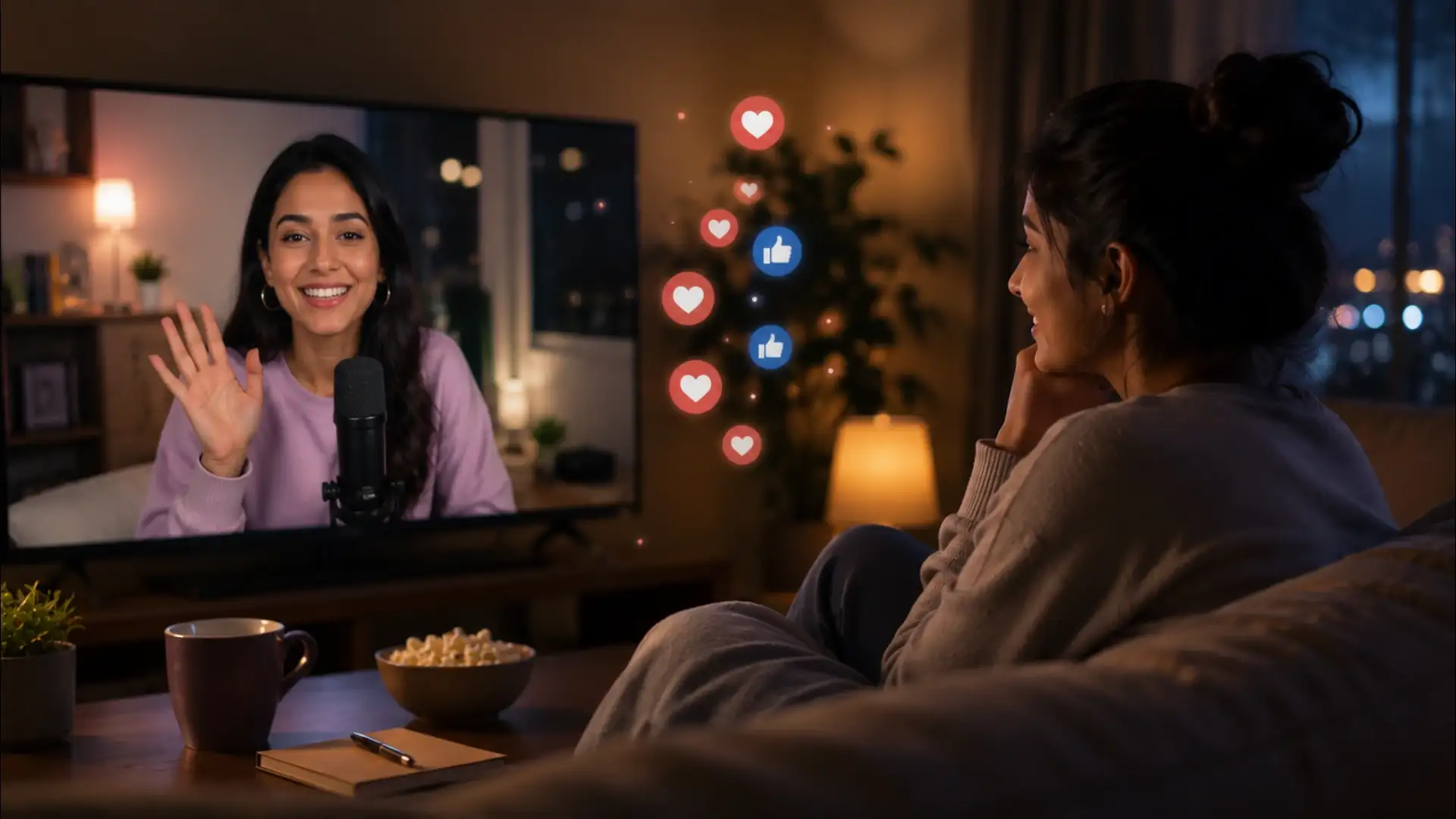
By enjoying online creators while maintaining strong real world friendships, you can appreciate digital intimacy without losing touch with meaningful physical connections.
How Media Creates the Illusion of Intimacy
The human brain evolved over thousands of years in small communities where seeing a face and hearing a voice repeatedly meant that person was part of our immediate tribe. Modern technology cleverly activates these ancient evolutionary instincts. When you watch a YouTube video, listen to a podcast through headphones, or view intimate daily vlogs on your smartphone, the creator appears close to you. High definition cameras, direct eye contact with the camera lens, and casual conversational speech create an illusion of personal proximity. Your mind naturally responds to these visual and auditory cues by building familiar affection, treating screen interactions almost like face to face conversations with real friends.The Rise of Social Media and Daily Access
While parasocial relationships originally formed around radio hosts, film stars, and television actors, social media platforms have dramatically deepened these emotional connections. Creators today share unedited glimpses of their morning routines, personal struggles, and home living rooms. This constant stream of personal updates makes public figures feel far more accessible than old school Hollywood celebrities ever were. When a creator replies to a comment or speaks directly to their audience during a live broadcast, fans feel an intentional personal spark. This ongoing daily access creates a powerful sense of shared history and mutual understanding, even though the relationship remains strictly one sided.The Psychological Benefits of One Sided Connections
Forming parasocial relationships is a natural human reaction that often brings positive mental health benefits. For many individuals, following inspiring creators offers comfort, entertainment, and a sense of belonging during quiet or lonely periods. These digital connections can boost confidence, introduce new creative hobbies, and provide safe emotional spaces free from the fear of social rejection or real life conflict. During times of stress or major life transitions, having a familiar voice on your screen can serve as a steady source of psychological stability and easy companionship.Recognizing the Limits and Protecting Real Life Bonds
While these virtual connections are usually harmless, problems arise when parasocial relationships replace authentic human interactions. Relying entirely on digital personalities for emotional support can prevent people from developing real world friendships, which require mutual effort, honest communication, and vulnerability. Furthermore, intense idealisation can lead to deep personal disappointment or privacy invasion if a public figure makes a mistake or changes their image.By enjoying online creators while maintaining strong real world friendships, you can appreciate digital intimacy without losing touch with meaningful physical connections.
Next Story