
Exploring National Parks With Young Kids: A Guide To Memorable Family Adventures

Visiting a national park with young children can be a magical experience, offering them a chance to connect with nature, learn about wildlife, and enjoy the great outdoors. However, planning such a trip requires careful thought to ensure a safe, comfortable, and engaging experience for both kids and parents. From choosing the right park to packing essentials and keeping children entertained, there are several aspects to consider. With the right approach, a visit to a national park can be an unforgettable journey filled with discovery, adventure, and lasting family memories.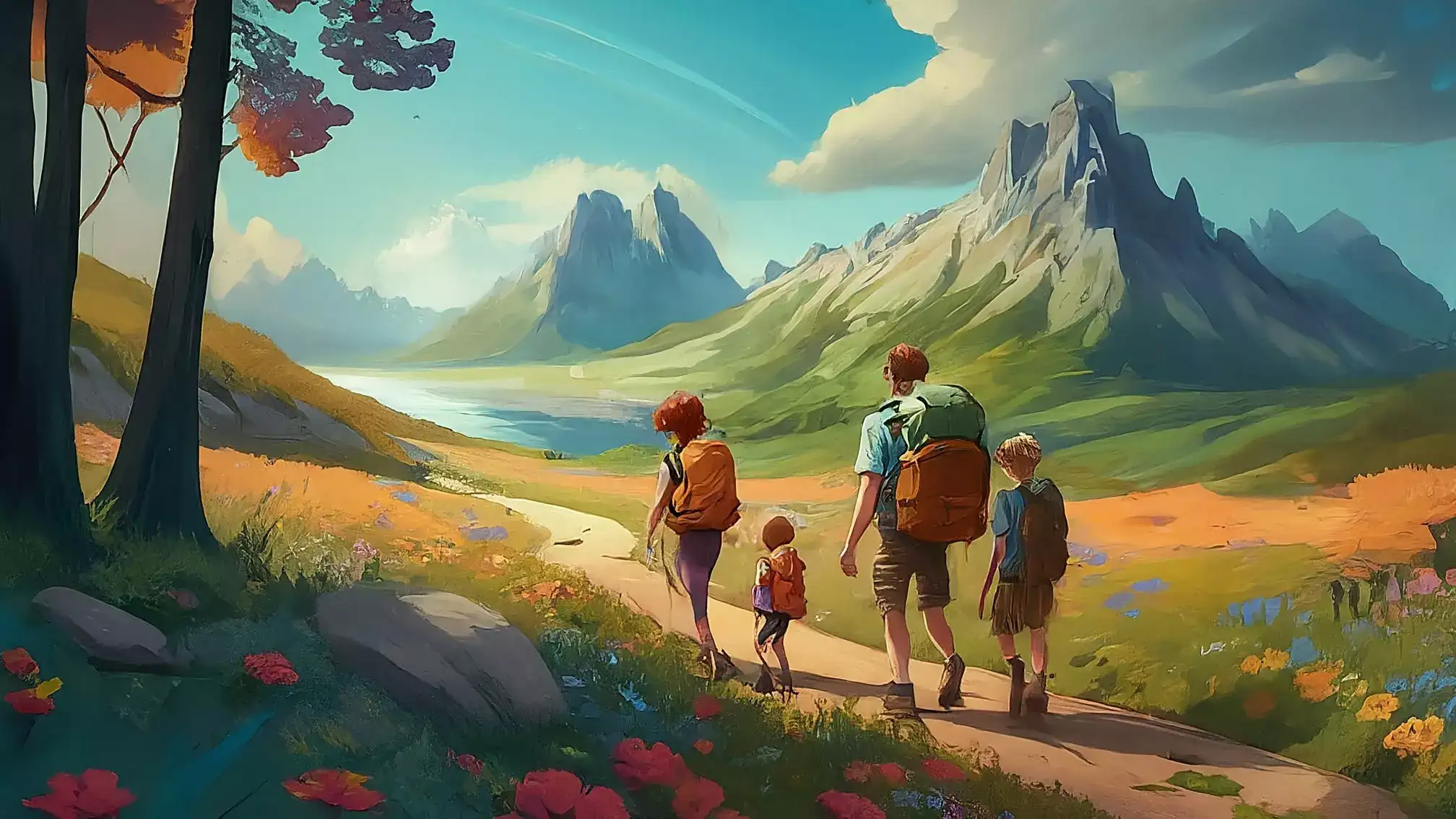
Choosing the Right National Park for Families
Not all national parks are equally suited for young children, so picking the right one is the first step towards a successful trip. Parks with shorter walking trails, easy access to basic amenities, and child-friendly activities are ideal. Some parks offer guided safaris, nature walks, or interactive experiences that can make the visit more engaging for children. Checking online reviews or speaking with other parents who have visited can provide valuable insights into which parks are best suited for families.
Best Time to Visit for a Comfortable Experience
Weather plays a crucial role in determining how enjoyable a national park visit will be for young kids. Extreme heat, heavy rains, or excessive humidity can make outdoor excursions challenging. Planning the trip during cooler months or early mornings and late afternoons can help avoid harsh weather conditions. Additionally, visiting on weekdays or during off-peak seasons can mean fewer crowds, allowing children to explore more freely without long waiting times or congestion.
Packing Essentials for a Smooth Trip
Travelling with young children means being prepared for every possible situation. A well-packed bag can make all the difference between a smooth and stressful trip. Some essentials to carry include
Young children may not always have the patience to sit quietly while waiting for animals to appear. To keep them engaged, turning the experience into a game can work wonders. Encouraging kids to spot different types of birds, count how many deer they see, or draw pictures of the animals they encounter can make the visit more interactive. Many parks also offer activity booklets or junior ranger programmes designed to make wildlife experiences more fun and educational for children.
Prioritising Safety During the Visit
National parks are home to wild animals and rugged terrains, so safety should always be a top priority. Parents should keep a close watch on children, ensuring they do not wander too far, touch unknown plants, or disturb wildlife. It is important to follow all park guidelines, including staying in designated areas, avoiding loud noises that could startle animals, and keeping food properly stored to prevent attracting wildlife. Teaching kids basic safety rules in an engaging way before the trip can also help them understand the importance of following instructions.
Encouraging Respect for Nature and Wildlife
A visit to a national park is an excellent opportunity to instil in children a sense of responsibility towards nature. Teaching them to avoid littering, respect animals by observing from a distance, and appreciate the beauty of natural surroundings can help them develop an early love for the environment. Carrying a small bag for waste disposal, encouraging children to take only memories and leave only footprints, and explaining the importance of conservation can make the experience not only enjoyable but also meaningful.
Creating Lasting Memories
Beyond wildlife spotting, there are many ways to make a national park visit a cherished family memory. Capturing moments through photographs, keeping a small travel journal where kids can draw what they saw, or collecting nature souvenirs like fallen leaves or interesting pebbles can add to the experience. Engaging in storytelling sessions at the end of the day, where children can share what they learned, can also deepen their connection to nature.
A visit to a national park with young children can be an enriching and delightful experience when planned well. With the right preparation, a family trip to the wilderness can foster a love for nature, create lasting memories, and offer children valuable lessons about the world around them.
Choosing the Right National Park for Families
Not all national parks are equally suited for young children, so picking the right one is the first step towards a successful trip. Parks with shorter walking trails, easy access to basic amenities, and child-friendly activities are ideal. Some parks offer guided safaris, nature walks, or interactive experiences that can make the visit more engaging for children. Checking online reviews or speaking with other parents who have visited can provide valuable insights into which parks are best suited for families.
Best Time to Visit for a Comfortable Experience
Weather plays a crucial role in determining how enjoyable a national park visit will be for young kids. Extreme heat, heavy rains, or excessive humidity can make outdoor excursions challenging. Planning the trip during cooler months or early mornings and late afternoons can help avoid harsh weather conditions. Additionally, visiting on weekdays or during off-peak seasons can mean fewer crowds, allowing children to explore more freely without long waiting times or congestion.
You may also like
- Bhumika Shajwani Winner Of Mrs Earth Elite 2026: Behind the crowning moment lay months of rigorous preparation, she says
- Why Crying Cannot Stop Death, According to Garuda Purana
- Significance of Shravan Month: Eclipses and Worship of Lord Shiva
- Understanding Morning Headaches: Causes and Solutions
- Heart attack: Are you at risk for a heart attack? This test, which costs just ₹300, can save your life
Packing Essentials for a Smooth Trip
Travelling with young children means being prepared for every possible situation. A well-packed bag can make all the difference between a smooth and stressful trip. Some essentials to carry include
- Comfortable clothing and sturdy footwear suitable for walking
- Hats, sunglasses, and sunscreen for sun protection
- Sufficient snacks and water to keep kids hydrated and energised
- Wet wipes, hand sanitisers, and a basic first-aid kit
- Binoculars and a simple field guide to make wildlife spotting more exciting
- Small toys, colouring books, or nature activity kits to keep children entertained during waiting periods
Young children may not always have the patience to sit quietly while waiting for animals to appear. To keep them engaged, turning the experience into a game can work wonders. Encouraging kids to spot different types of birds, count how many deer they see, or draw pictures of the animals they encounter can make the visit more interactive. Many parks also offer activity booklets or junior ranger programmes designed to make wildlife experiences more fun and educational for children.
Prioritising Safety During the Visit
National parks are home to wild animals and rugged terrains, so safety should always be a top priority. Parents should keep a close watch on children, ensuring they do not wander too far, touch unknown plants, or disturb wildlife. It is important to follow all park guidelines, including staying in designated areas, avoiding loud noises that could startle animals, and keeping food properly stored to prevent attracting wildlife. Teaching kids basic safety rules in an engaging way before the trip can also help them understand the importance of following instructions.
Encouraging Respect for Nature and Wildlife
A visit to a national park is an excellent opportunity to instil in children a sense of responsibility towards nature. Teaching them to avoid littering, respect animals by observing from a distance, and appreciate the beauty of natural surroundings can help them develop an early love for the environment. Carrying a small bag for waste disposal, encouraging children to take only memories and leave only footprints, and explaining the importance of conservation can make the experience not only enjoyable but also meaningful.
Creating Lasting Memories
Beyond wildlife spotting, there are many ways to make a national park visit a cherished family memory. Capturing moments through photographs, keeping a small travel journal where kids can draw what they saw, or collecting nature souvenirs like fallen leaves or interesting pebbles can add to the experience. Engaging in storytelling sessions at the end of the day, where children can share what they learned, can also deepen their connection to nature.
A visit to a national park with young children can be an enriching and delightful experience when planned well. With the right preparation, a family trip to the wilderness can foster a love for nature, create lasting memories, and offer children valuable lessons about the world around them.






Loving Newspoint? Download the app now
