
People Are Quietly Deleting Instagram Again. Here's Why the Social Media Shift Is Gaining Momentum in 2026

For years, Instagram has been one of the world's most influential social media platforms, shaping trends in fashion, travel, fitness, and entertainment. But in 2026, a quieter movement is beginning to gain attention. Instead of announcing dramatic "social media breaks," many users are simply deleting the app or logging out without saying a word.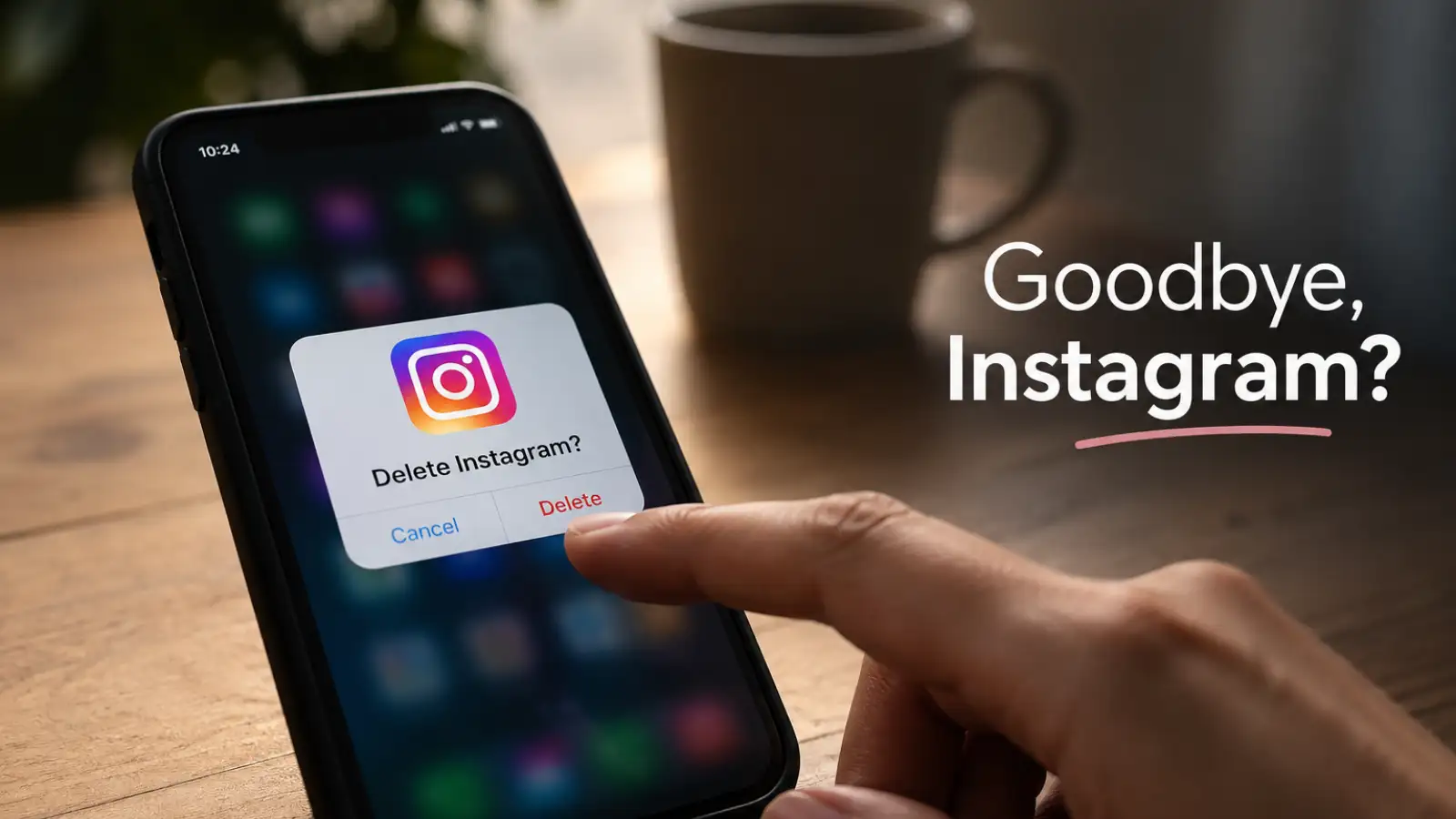
Unlike previous digital detox trends that often became social media content themselves, this time the shift appears more personal. From young professionals and students to creators and entrepreneurs, many people are choosing to spend less time scrolling and more time living offline.
Many users say Instagram no longer feels like a place to relax. Endless short-form videos, algorithm-driven recommendations, advertisements, and constant notifications have turned casual browsing into an overwhelming experience.
Instead of feeling entertained, users often describe feeling mentally exhausted after spending long periods on the app.
While artificial intelligence has made content creation easier, it has also made it harder for users to distinguish authentic moments from carefully generated visuals.
Many users say they miss the days when Instagram primarily showed updates from friends and family rather than an endless stream of viral content suggested by algorithms.
People are becoming increasingly aware of how much personal information is collected through social media platforms. Discussions around targeted advertising, location tracking, and data collection have encouraged many users to rethink how much of their daily lives they want to share online.
Instead of documenting every meal, vacation, or celebration, many now prefer keeping personal moments private.
Employees, students, parents, and even business owners are experimenting with screen-free weekends, notification-free evenings, and app-free vacations.
According to global research from organizations including DataReportal and GWI in recent years, people are becoming more intentional about how they use social media. Rather than abandoning platforms completely, many are reducing screen time and using apps with a specific purpose instead of endless scrolling.
This shift reflects changing priorities, where quality of online interaction matters more than quantity.
Several academic studies have linked heavy social media use with increased social comparison, fear of missing out (FOMO), and lower life satisfaction, particularly among teenagers and young adults.
Seeing highly curated lifestyles every day can create unrealistic expectations about success, relationships, appearance, and wealth.
Many users report feeling calmer, sleeping better, and becoming more productive after limiting their Instagram usage.
Most experts believe this is less about abandoning Instagram and more about changing how people engage with it.
Many users now keep the app for messaging friends, following hobbies, or managing businesses while significantly reducing passive scrolling.
Some even uninstall Instagram during workdays and reinstall it only when needed.
In 2026, success is increasingly being measured not by how much time people spend online but by how intentionally they use technology. Choosing to delete Instagram, even temporarily, has become less about rejecting social media and more about reclaiming attention, improving mental well-being, and creating healthier digital habits.
Whether this becomes a long-term movement or simply another phase in the evolution of social media remains to be seen. But one thing is clear: for a growing number of people, life beyond the endless scroll is starting to look more appealing than ever.
Unlike previous digital detox trends that often became social media content themselves, this time the shift appears more personal. From young professionals and students to creators and entrepreneurs, many people are choosing to spend less time scrolling and more time living offline.
Digital Fatigue Is Catching Up
One of the biggest reasons behind the trend is digital fatigue. Research from multiple studies over the past few years has consistently shown that excessive social media use can contribute to stress, reduced concentration, sleep disruption, and feelings of anxiety.Many users say Instagram no longer feels like a place to relax. Endless short-form videos, algorithm-driven recommendations, advertisements, and constant notifications have turned casual browsing into an overwhelming experience.
Instead of feeling entertained, users often describe feeling mentally exhausted after spending long periods on the app.
AI Content Is Changing the Experience
Instagram's feed has evolved dramatically. AI-generated influencers, synthetic images, automated content, and recommendation algorithms now dominate many users' timelines.While artificial intelligence has made content creation easier, it has also made it harder for users to distinguish authentic moments from carefully generated visuals.
Many users say they miss the days when Instagram primarily showed updates from friends and family rather than an endless stream of viral content suggested by algorithms.
Privacy Concerns Continue to Grow
Privacy remains another major concern.People are becoming increasingly aware of how much personal information is collected through social media platforms. Discussions around targeted advertising, location tracking, and data collection have encouraged many users to rethink how much of their daily lives they want to share online.
Instead of documenting every meal, vacation, or celebration, many now prefer keeping personal moments private.
The Rise of Digital Detox
Digital detox is no longer limited to wellness influencers.Employees, students, parents, and even business owners are experimenting with screen-free weekends, notification-free evenings, and app-free vacations.
According to global research from organizations including DataReportal and GWI in recent years, people are becoming more intentional about how they use social media. Rather than abandoning platforms completely, many are reducing screen time and using apps with a specific purpose instead of endless scrolling.
This shift reflects changing priorities, where quality of online interaction matters more than quantity.
Mental Health Is Becoming a Bigger Priority
Mental well-being is another key factor driving the change.Several academic studies have linked heavy social media use with increased social comparison, fear of missing out (FOMO), and lower life satisfaction, particularly among teenagers and young adults.
Seeing highly curated lifestyles every day can create unrealistic expectations about success, relationships, appearance, and wealth.
Many users report feeling calmer, sleeping better, and becoming more productive after limiting their Instagram usage.
You may also like
- Susanna Reid's 'smart' jacket she wore on GMB perfect for summer weddings has £40 off
- Monsoon intensifies across India: IMD warns of extremely heavy rain in Gujarat and Maharashtra, flash flood risk in several regions
- Now, you can make UPI payments even without the internet! The new feature will work on flights and in underground tunnels too..
- Today's Birthday: 23rd July 2026
- Post Office RD vs SBI RD: Where will you get more money after 10 years by depositing ₹10,000 monthly? Check the full calculation..
Are People Leaving Instagram Forever?
Not necessarily.Most experts believe this is less about abandoning Instagram and more about changing how people engage with it.
Many users now keep the app for messaging friends, following hobbies, or managing businesses while significantly reducing passive scrolling.
Some even uninstall Instagram during workdays and reinstall it only when needed.
The Bigger Picture
Instagram remains one of the world's largest social platforms with billions of monthly active users, and it continues to play a major role in digital culture. However, user behavior is evolving.In 2026, success is increasingly being measured not by how much time people spend online but by how intentionally they use technology. Choosing to delete Instagram, even temporarily, has become less about rejecting social media and more about reclaiming attention, improving mental well-being, and creating healthier digital habits.
Whether this becomes a long-term movement or simply another phase in the evolution of social media remains to be seen. But one thing is clear: for a growing number of people, life beyond the endless scroll is starting to look more appealing than ever.






Loving Newspoint? Download the app now

