
Did You Know? Pepper Was Once Used Like Currency

Pepper is one of the most common spices in kitchens today, but for centuries it was among the world's most prized commodities. Often called ' black gold ,' black pepper shaped trade, influenced empires, and was even accepted as payment in many transactions. Here's why this everyday spice was once considered extraordinarily valuable.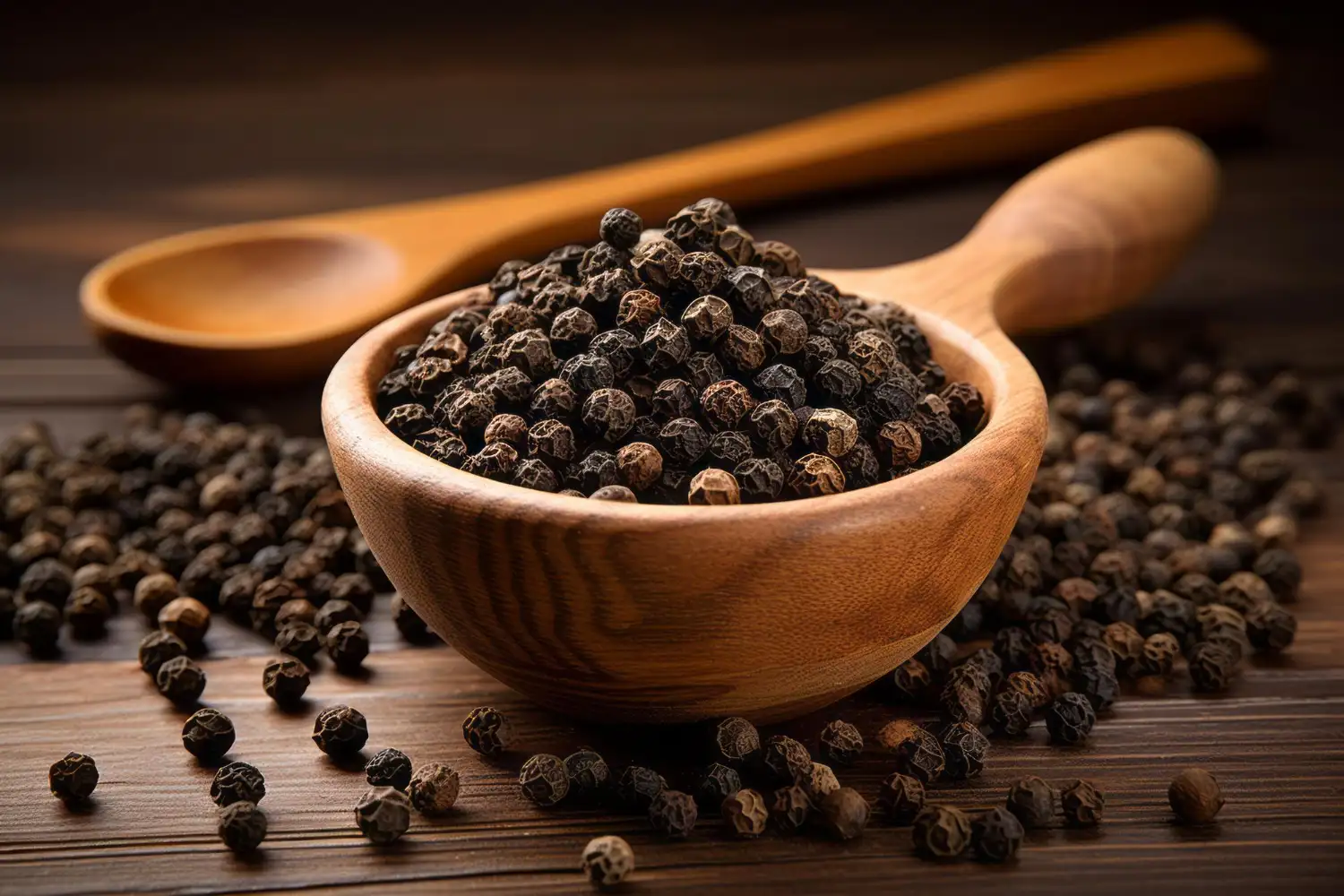
Native to India's Malabar Coast
Black pepper (Piper nigrum) is native to the tropical Malabar Coast of present-day Kerala, India. For centuries, this region was the primary source of the spice, making it a vital hub for international trade. Its limited origin and growing global demand contributed significantly to its high value.
Loved by Ancient Civilisations
Ancient Greeks, Egyptians, and Romans highly prized black pepper. It was valued not only for its distinctive flavour but also for its use in traditional medicine and food preservation. The spice became a luxury item that travelled thousands of kilometres through thriving trade networks.
So Valuable It Was Part of a Ransom
Pepper's worth is reflected in one of history's most famous events. In 410 AD, when the Visigoths, led by Alaric I, captured Rome, historical accounts state that they demanded a ransom that included 3,000 pounds of pepper, highlighting just how precious the spice was at the time.
Why It Was Called 'Black Gold'
Because black pepper was rare in Europe and expensive to import, it earned the nickname 'black gold.' Merchants could earn enormous profits from the spice, and wealthy households regarded it as a symbol of status and prosperity.
Used Like Currency
Although pepper was never official legal tender, it often functioned like money because of its high and consistent value. During the Middle Ages, landlords, merchants, and rulers accepted pepper to settle debts, pay rent, and meet certain financial obligations, especially in places where the spice was readily recognised as a valuable commodity.
The Origin of 'Peppercorn Rent'
The historical practice of paying rent with pepper gave rise to the term 'peppercorn rent.' Today, the phrase refers to a very small or purely symbolic payment, though the legal term has evolved beyond its medieval origins.
Fuelled Global Trade and Exploration
The desire for pepper connected India with traders from the Middle East and Europe. Later, European powers sought direct sea routes to Asia to gain access to valuable spices, including pepper. This quest played a major role in the Age of Exploration and the expansion of global trade.
From Luxury to Kitchen Staple
As maritime trade expanded and pepper cultivation spread to other tropical regions, supplies increased and prices gradually fell. What was once a luxury affordable only to the wealthy eventually became one of the world's most widely used spices.
A Spice That Changed History
Pepper's story is about much more than flavour. From being native to India's Malabar Coast to serving as a valuable trade commodity accepted in place of payment, black pepper influenced commerce, exploration, and history in remarkable ways. While it was never an official currency, its immense value earned it the title 'black gold' and a unique place in the history of global trade.
Disclaimer: The information provided in this article is based on historically documented sources and widely available historical research. NewsPoint does not independently verify every historical claim or interpretation.
Native to India's Malabar Coast
Black pepper (Piper nigrum) is native to the tropical Malabar Coast of present-day Kerala, India. For centuries, this region was the primary source of the spice, making it a vital hub for international trade. Its limited origin and growing global demand contributed significantly to its high value. Loved by Ancient Civilisations
Ancient Greeks, Egyptians, and Romans highly prized black pepper. It was valued not only for its distinctive flavour but also for its use in traditional medicine and food preservation. The spice became a luxury item that travelled thousands of kilometres through thriving trade networks.So Valuable It Was Part of a Ransom
Pepper's worth is reflected in one of history's most famous events. In 410 AD, when the Visigoths, led by Alaric I, captured Rome, historical accounts state that they demanded a ransom that included 3,000 pounds of pepper, highlighting just how precious the spice was at the time. Why It Was Called 'Black Gold'
Because black pepper was rare in Europe and expensive to import, it earned the nickname 'black gold.' Merchants could earn enormous profits from the spice, and wealthy households regarded it as a symbol of status and prosperity.You may also like
- Greece becomes the 10th country to accept India's UPI; what it means for Indian tourists visiting Europe
- Trending Mehendi Combinations for a Modern Look
- Exploring Rishikesh: A Haven for International Travelers
- Need to file a PF claim? Hold on! The EPFO portal won't work today; find out when services will resume.
- Sharp drop at the start of the month! Jet fuel prices reduced—will air travel become cheaper now?
Used Like Currency
Although pepper was never official legal tender, it often functioned like money because of its high and consistent value. During the Middle Ages, landlords, merchants, and rulers accepted pepper to settle debts, pay rent, and meet certain financial obligations, especially in places where the spice was readily recognised as a valuable commodity. The Origin of 'Peppercorn Rent'
The historical practice of paying rent with pepper gave rise to the term 'peppercorn rent.' Today, the phrase refers to a very small or purely symbolic payment, though the legal term has evolved beyond its medieval origins. Fuelled Global Trade and Exploration
The desire for pepper connected India with traders from the Middle East and Europe. Later, European powers sought direct sea routes to Asia to gain access to valuable spices, including pepper. This quest played a major role in the Age of Exploration and the expansion of global trade. From Luxury to Kitchen Staple
As maritime trade expanded and pepper cultivation spread to other tropical regions, supplies increased and prices gradually fell. What was once a luxury affordable only to the wealthy eventually became one of the world's most widely used spices.A Spice That Changed History
Pepper's story is about much more than flavour. From being native to India's Malabar Coast to serving as a valuable trade commodity accepted in place of payment, black pepper influenced commerce, exploration, and history in remarkable ways. While it was never an official currency, its immense value earned it the title 'black gold' and a unique place in the history of global trade. Disclaimer: The information provided in this article is based on historically documented sources and widely available historical research. NewsPoint does not independently verify every historical claim or interpretation.






More from our partners


Loving Newspoint? Download the app now
