
6 Incredible Places in India to Watch Waters Glow Under the Night Sky

There are few natural sights as fascinating as a shoreline lit up in shades of glowing blue. Known as bioluminescence, this rare phenomenon occurs when tiny marine organisms release light as waves, currents, or movement disturb the water. The result is a dazzling display that can make beaches, lagoons, and backwaters look straight out of a fantasy film.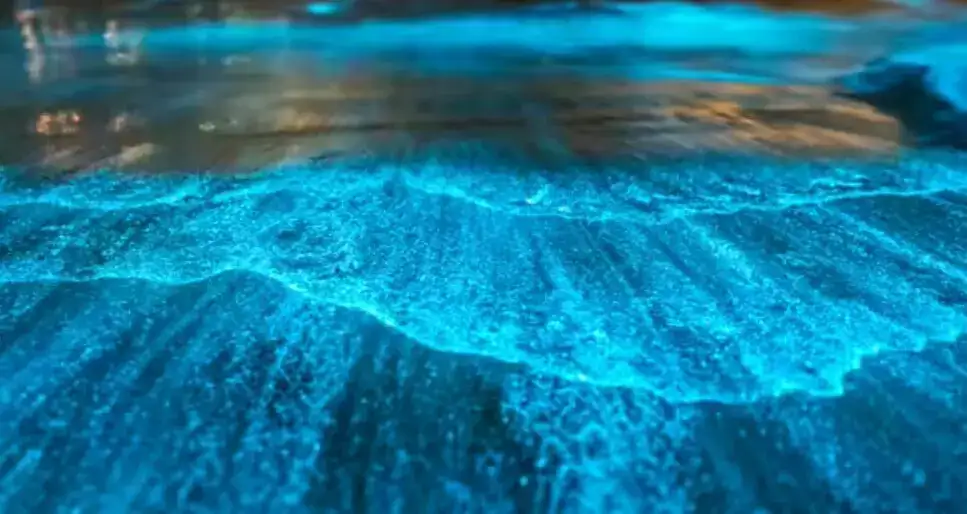
While nature never offers guarantees, spotting bioluminescence is a bucket-list experience for travelers who love unique adventures. Here are six places in India where you may be lucky enough to witness this breathtaking natural light show.
Swaraj Dweep, Andaman and Nicobar Islands
Swaraj Dweep, formerly known as Havelock Island, is one of the most famous destinations in India for bioluminescence. Surrounded by crystal-clear waters and vibrant coral reefs, the island transforms after sunset into a glowing wonderland.
Night kayaking is one of the best ways to experience the phenomenon. Every paddle stroke can leave behind shimmering blue-green trails in the water. Beaches such as Radhanagar and Kalapathar are popular spots, and the island’s low levels of artificial light improve visibility.
Best time to visit: November to April, preferably on a moonless night.
Kumbalangi, Kerala
Just outside Kochi lies Kumbalangi, India’s first eco-tourism village. Known for its traditional fishing culture and mangrove-lined waterways, this peaceful destination offers a different kind of bioluminescent experience.
Instead of ocean waves, the glow appears in quiet backwaters and canals. During evening boat rides, flashes of blue light can often be seen rippling through the water, creating a calm and magical atmosphere.
Best time to visit: March and April.
Bangaram Island, Lakshadweep
For those seeking a truly secluded escape, Bangaram Island is hard to beat. This remote island in Lakshadweep is famous for its pristine lagoons, white-sand beaches, and dark skies.
When conditions are right, the shoreline sparkles with glowing waves as bioluminescent plankton illuminate the surf. The absence of city lights makes the display even more spectacular.
Best time to visit: September to March. Visitors should arrange permits in advance.
Betalbatim Beach, Goa
Goa may be known for its lively beaches, but South Goa’s Betalbatim Beach offers a quieter and more enchanting attraction. Here, a species known as "sea sparkle" can sometimes turn the waves into glowing streaks of blue.
A walk along the shore on a dark night can reveal tiny flashes dancing across the water. It is one of the easiest places in India to experience bioluminescence without venturing far off the tourist trail.
Best time to visit: November to February, with January and February often providing the best chances.
Mattu Beach, Karnataka
Located near Udupi, Mattu Beach remains one of Karnataka’s lesser-known coastal gems. Fringed by coconut trees and far from crowded tourist hotspots, it offers a peaceful setting for nature lovers.
After the monsoon season, lucky visitors may witness glowing blue waves rolling onto the shore. The experience feels especially magical thanks to the beach’s quiet and untouched surroundings.
Best time to visit: October to December, particularly on moonless nights.
Vypin Island, Kerala
Vypin Island, north of Kochi, combines serene beaches with tranquil backwaters. Although sightings here can be unpredictable, the island occasionally rewards visitors with glimpses of glowing waterways.
The phenomenon is usually spotted in calmer channels where water movement is gentle. Even without the glow, Vypin’s relaxed atmosphere and scenic beauty make it a worthwhile destination.
Best time to visit: March to May, though sightings have also been reported during darker winter nights.
Tips for Spotting Bioluminescence
Bioluminescence depends entirely on natural conditions, making every sighting special. For the best chance of witnessing it, choose locations with minimal artificial lighting and visit during moonless nights. A little patience can go a long way, and if nature cooperates, you’ll be treated to one of the most unforgettable spectacles on Earth.
While nature never offers guarantees, spotting bioluminescence is a bucket-list experience for travelers who love unique adventures. Here are six places in India where you may be lucky enough to witness this breathtaking natural light show.
Swaraj Dweep, Andaman and Nicobar Islands
Swaraj Dweep, formerly known as Havelock Island, is one of the most famous destinations in India for bioluminescence. Surrounded by crystal-clear waters and vibrant coral reefs, the island transforms after sunset into a glowing wonderland.Night kayaking is one of the best ways to experience the phenomenon. Every paddle stroke can leave behind shimmering blue-green trails in the water. Beaches such as Radhanagar and Kalapathar are popular spots, and the island’s low levels of artificial light improve visibility.
Best time to visit: November to April, preferably on a moonless night.
Kumbalangi, Kerala
Just outside Kochi lies Kumbalangi, India’s first eco-tourism village. Known for its traditional fishing culture and mangrove-lined waterways, this peaceful destination offers a different kind of bioluminescent experience. Instead of ocean waves, the glow appears in quiet backwaters and canals. During evening boat rides, flashes of blue light can often be seen rippling through the water, creating a calm and magical atmosphere.
Best time to visit: March and April.
Bangaram Island, Lakshadweep
For those seeking a truly secluded escape, Bangaram Island is hard to beat. This remote island in Lakshadweep is famous for its pristine lagoons, white-sand beaches, and dark skies.When conditions are right, the shoreline sparkles with glowing waves as bioluminescent plankton illuminate the surf. The absence of city lights makes the display even more spectacular.
Best time to visit: September to March. Visitors should arrange permits in advance.
Betalbatim Beach, Goa
Goa may be known for its lively beaches, but South Goa’s Betalbatim Beach offers a quieter and more enchanting attraction. Here, a species known as "sea sparkle" can sometimes turn the waves into glowing streaks of blue. A walk along the shore on a dark night can reveal tiny flashes dancing across the water. It is one of the easiest places in India to experience bioluminescence without venturing far off the tourist trail.
Best time to visit: November to February, with January and February often providing the best chances.
Mattu Beach, Karnataka
Located near Udupi, Mattu Beach remains one of Karnataka’s lesser-known coastal gems. Fringed by coconut trees and far from crowded tourist hotspots, it offers a peaceful setting for nature lovers. After the monsoon season, lucky visitors may witness glowing blue waves rolling onto the shore. The experience feels especially magical thanks to the beach’s quiet and untouched surroundings.
Best time to visit: October to December, particularly on moonless nights.
Vypin Island, Kerala
Vypin Island, north of Kochi, combines serene beaches with tranquil backwaters. Although sightings here can be unpredictable, the island occasionally rewards visitors with glimpses of glowing waterways. The phenomenon is usually spotted in calmer channels where water movement is gentle. Even without the glow, Vypin’s relaxed atmosphere and scenic beauty make it a worthwhile destination.
Best time to visit: March to May, though sightings have also been reported during darker winter nights.
Tips for Spotting Bioluminescence
Bioluminescence depends entirely on natural conditions, making every sighting special. For the best chance of witnessing it, choose locations with minimal artificial lighting and visit during moonless nights. A little patience can go a long way, and if nature cooperates, you’ll be treated to one of the most unforgettable spectacles on Earth. Next Story