
Planning A Trip Across India? Here’s The Best Time To Visit Every Region

India is one of the few countries where travellers can experience snow-covered mountains, tropical beaches, dense forests, deserts and lush valleys within a single year. Its vast geographical diversity means that every season offers something special in different parts of the country. While some destinations are best enjoyed during cool winter months, others come alive during the monsoon or provide welcome relief from the summer heat. Understanding the best time to visit various Indian states can help travellers plan more enjoyable, comfortable and memorable trips while making the most of local attractions, landscapes and cultural experiences.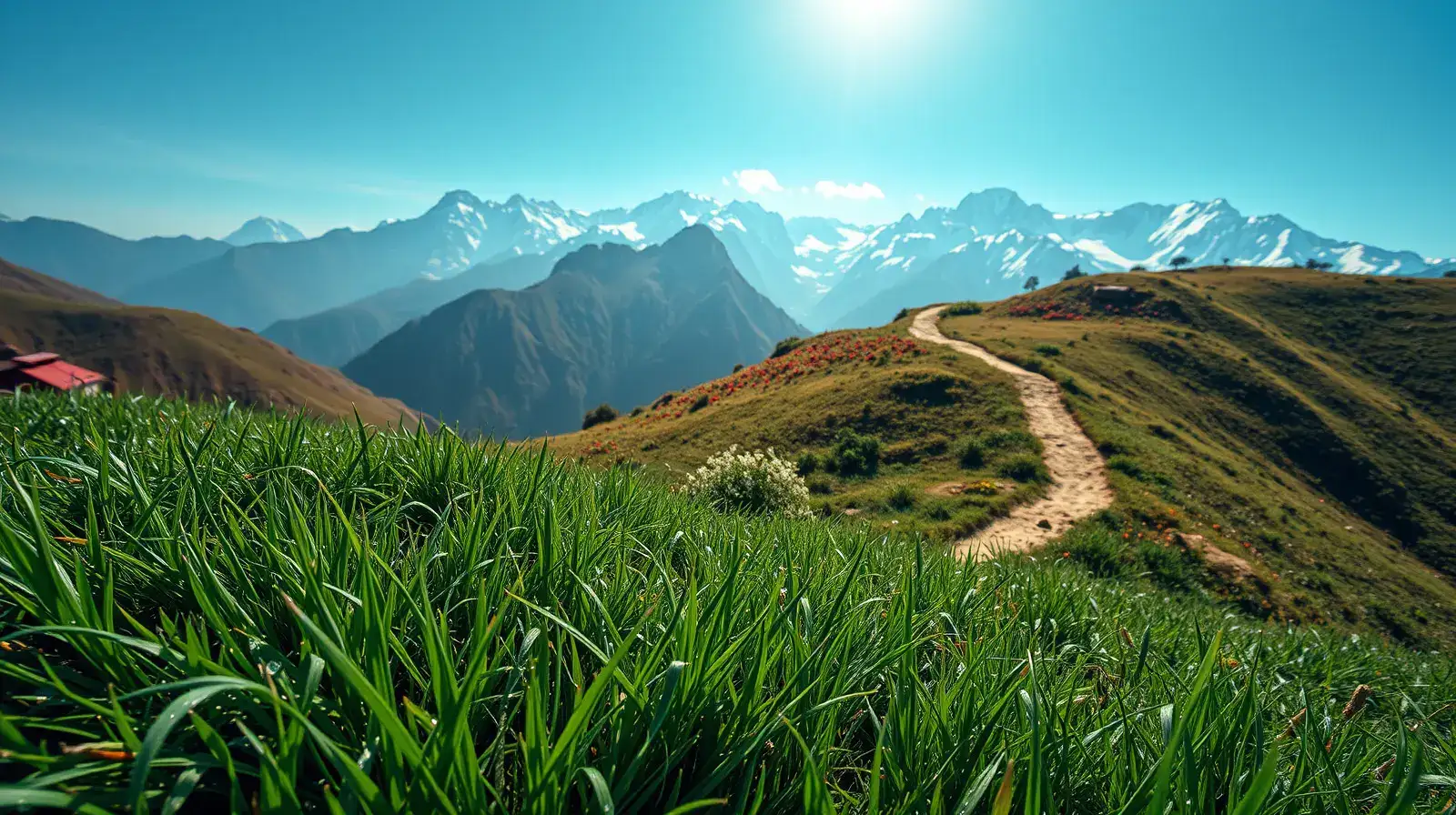
Northern states such as Himachal Pradesh and Uttarakhand become popular choices during this period. Their mountain towns, scenic valleys and pleasant temperatures offer a refreshing escape from the heat of the plains.
In the north-east, Sikkim and Meghalaya provide breathtaking natural beauty, comfortable weather and opportunities for outdoor exploration.
Southern hill destinations in Tamil Nadu and Kerala also attract visitors looking for cooler climates and picturesque landscapes.
States such as Kerala become especially beautiful during this period. Rain-washed backwaters, forests and plantations create stunning scenery that appeals to nature lovers.
Goa offers a different charm during the monsoon. While beach activities may be limited by rainfall, the state's countryside becomes lush and peaceful, attracting travellers who prefer quieter experiences.
In western India, parts of Maharashtra are known for their waterfalls, mist-covered hills and scenic drives during the rainy season.
This period is particularly suitable for exploring cultural and historical destinations. States such as Rajasthan begin to experience cooler weather, making sightseeing more comfortable.
Travellers can enjoy heritage cities, historic forts and desert landscapes without the intense heat that characterises the summer months.
Eastern states, including West Bengal, also become attractive during autumn, with comfortable weather and vibrant festive celebrations enhancing the travel experience.
States such as Rajasthan, Gujarat and Madhya Pradesh attract large numbers of visitors during this season. Wildlife reserves, heritage sites and cultural events are often at their most enjoyable.
For travellers seeking warmer weather, coastal destinations in Goa and Kerala remain popular choices.
Meanwhile, snow enthusiasts often head towards mountainous regions in northern India, where winter landscapes create unforgettable experiences.
Different states host celebrations throughout the year, offering visitors opportunities to experience local traditions, cuisine, music and art. Planning travel around major festivals can provide deeper cultural insights and unique memories.
However, travellers should also be prepared for larger crowds and higher accommodation demand during peak festival periods.
Adventure enthusiasts may prefer trekking opportunities in the mountains during spring and autumn. Wildlife lovers often find winter to be the most rewarding period for national park visits. Beach travellers may favour cooler winter months, while photographers frequently appreciate the dramatic landscapes of the monsoon season.
Matching destinations with interests and seasonal conditions can significantly improve the overall travel experience.
India offers remarkable travel opportunities throughout the year, but choosing the right destination for the right season can make all the difference. From cool mountain retreats in summer and rain-soaked landscapes during the monsoon to cultural explorations in autumn and vibrant winter adventures, every season reveals a unique side of the country. By understanding seasonal patterns and planning accordingly, travellers can enjoy richer experiences and discover the extraordinary diversity that makes India one of the world's most fascinating destinations.
Summer Travel: Head To The Hills
The summer months, generally from April to June, can bring high temperatures across many parts of India. This makes hill destinations particularly attractive for travellers seeking cooler weather.Northern states such as Himachal Pradesh and Uttarakhand become popular choices during this period. Their mountain towns, scenic valleys and pleasant temperatures offer a refreshing escape from the heat of the plains.
In the north-east, Sikkim and Meghalaya provide breathtaking natural beauty, comfortable weather and opportunities for outdoor exploration.
Southern hill destinations in Tamil Nadu and Kerala also attract visitors looking for cooler climates and picturesque landscapes.
Monsoon Travel: Experience Nature At Its Greenest
The monsoon season, typically from June to September, transforms many parts of India into vibrant green landscapes.States such as Kerala become especially beautiful during this period. Rain-washed backwaters, forests and plantations create stunning scenery that appeals to nature lovers.
Goa offers a different charm during the monsoon. While beach activities may be limited by rainfall, the state's countryside becomes lush and peaceful, attracting travellers who prefer quieter experiences.
In western India, parts of Maharashtra are known for their waterfalls, mist-covered hills and scenic drives during the rainy season.
Autumn Travel: Ideal Conditions For Exploration
The months following the monsoon often bring clear skies, pleasant temperatures and refreshed landscapes.This period is particularly suitable for exploring cultural and historical destinations. States such as Rajasthan begin to experience cooler weather, making sightseeing more comfortable.
Travellers can enjoy heritage cities, historic forts and desert landscapes without the intense heat that characterises the summer months.
Eastern states, including West Bengal, also become attractive during autumn, with comfortable weather and vibrant festive celebrations enhancing the travel experience.
Winter Travel: Discover Festivals, Wildlife And Warm Destinations
Winter is widely regarded as one of the best times to travel across much of India. The cooler climate creates favourable conditions for sightseeing, outdoor activities and cultural exploration.States such as Rajasthan, Gujarat and Madhya Pradesh attract large numbers of visitors during this season. Wildlife reserves, heritage sites and cultural events are often at their most enjoyable.
For travellers seeking warmer weather, coastal destinations in Goa and Kerala remain popular choices.
Meanwhile, snow enthusiasts often head towards mountainous regions in northern India, where winter landscapes create unforgettable experiences.
Consider Festivals And Local Events
Weather is not the only factor to consider when planning travel. Festivals and cultural events can greatly enrich a journey.Different states host celebrations throughout the year, offering visitors opportunities to experience local traditions, cuisine, music and art. Planning travel around major festivals can provide deeper cultural insights and unique memories.
However, travellers should also be prepared for larger crowds and higher accommodation demand during peak festival periods.
Plan According To Your Interests
The ideal travel season often depends on personal preferences.Adventure enthusiasts may prefer trekking opportunities in the mountains during spring and autumn. Wildlife lovers often find winter to be the most rewarding period for national park visits. Beach travellers may favour cooler winter months, while photographers frequently appreciate the dramatic landscapes of the monsoon season.
Matching destinations with interests and seasonal conditions can significantly improve the overall travel experience.
India offers remarkable travel opportunities throughout the year, but choosing the right destination for the right season can make all the difference. From cool mountain retreats in summer and rain-soaked landscapes during the monsoon to cultural explorations in autumn and vibrant winter adventures, every season reveals a unique side of the country. By understanding seasonal patterns and planning accordingly, travellers can enjoy richer experiences and discover the extraordinary diversity that makes India one of the world's most fascinating destinations.
Next Story