
How Desert Plants Conserve Water and Survive Harsh Conditions

Deserts are among the harshest environments on Earth. With scorching daytime temperatures, cold nights, limited rainfall, and dry winds, only specially adapted plants can survive there. Over thousands of years, desert plants have evolved remarkable features that help them conserve water, protect themselves from heat, and make the most of every drop of rain. Here are some fascinating desert plants and the clever survival strategies that keep them alive.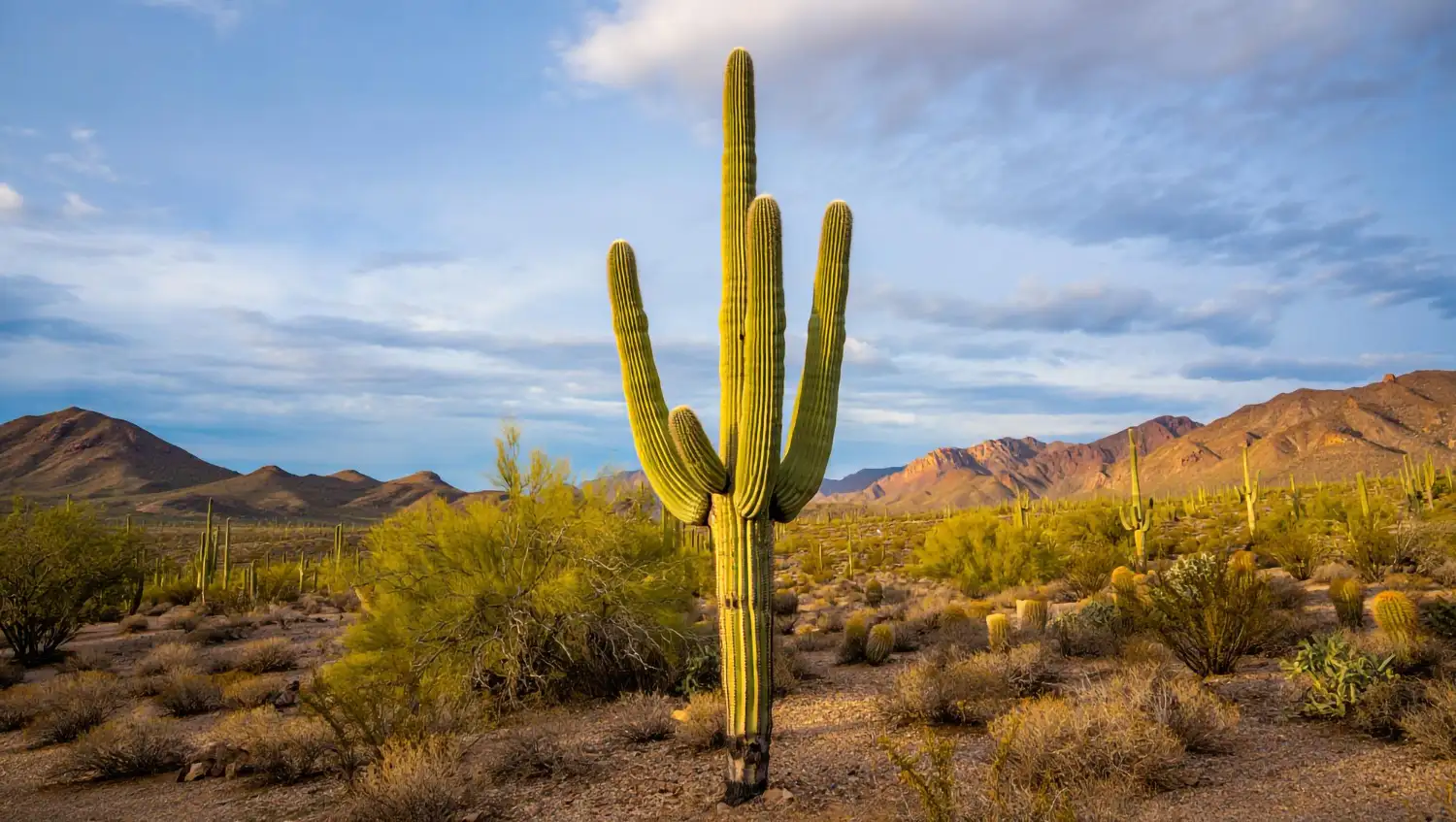
Saguaro Cactus Stores Water for Dry Times
The saguaro cactus is one of the world's most iconic desert plants. Found in the Sonoran Desert, it has a thick, pleated stem that expands like an accordion after rainfall, allowing it to store large amounts of water. Its shallow but widespread roots quickly absorb rain before it evaporates. A waxy outer coating also helps reduce water loss.
Welwitschia Grows Just Two Leaves for Life
Native to the Namib Desert, Welwitschia is unlike any other plant. It produces only two leaves during its entire lifetime, but they continue growing for decades or even centuries. The plant captures moisture from fog, which is common in its coastal desert habitat, helping it survive where rainfall is extremely scarce.
Creosote Bush Makes the Most of Rain
The creosote bush is one of the most common shrubs in North American deserts. It has small, waxy leaves that reduce water loss and an extensive root system that quickly absorbs moisture after rain. During severe drought, it can slow its growth and conserve resources until better conditions return.
Desert Rose Stores Water in Its Thick Trunk
Despite its beautiful flowers, the desert rose is built for survival. Its swollen trunk, known as a caudex, stores water that the plant uses during long dry periods. This water reserve allows it to withstand drought while continuing to produce striking blooms when conditions improve.
Saguaro Cactus Stores Water for Dry Times
The saguaro cactus is one of the world's most iconic desert plants. Found in the Sonoran Desert, it has a thick, pleated stem that expands like an accordion after rainfall, allowing it to store large amounts of water. Its shallow but widespread roots quickly absorb rain before it evaporates. A waxy outer coating also helps reduce water loss. Welwitschia Grows Just Two Leaves for Life
Native to the Namib Desert, Welwitschia is unlike any other plant. It produces only two leaves during its entire lifetime, but they continue growing for decades or even centuries. The plant captures moisture from fog, which is common in its coastal desert habitat, helping it survive where rainfall is extremely scarce.Creosote Bush Makes the Most of Rain
The creosote bush is one of the most common shrubs in North American deserts. It has small, waxy leaves that reduce water loss and an extensive root system that quickly absorbs moisture after rain. During severe drought, it can slow its growth and conserve resources until better conditions return. Desert Rose Stores Water in Its Thick Trunk
Despite its beautiful flowers, the desert rose is built for survival. Its swollen trunk, known as a caudex, stores water that the plant uses during long dry periods. This water reserve allows it to withstand drought while continuing to produce striking blooms when conditions improve.Next Story