
Postpartum Weight Loss: What is Normal and When Should You Worry?


Postpartum weight loss is something many women think about soon after delivery. While it is natural to want your body to feel familiar again, the process takes time and patience. Every woman's body responds differently after childbirth.
Understanding what is normal can help you avoid unnecessary stress. Instead of rushing results, focusing on safe recovery, balanced habits, and overall well-being can support your health and proper baby care.
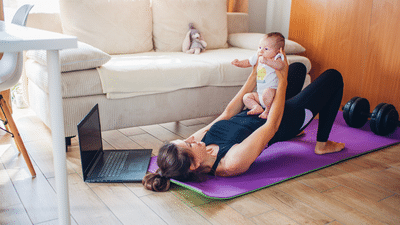
What Changes Will Occur in Your Body After Childbirth?After the delivery, your body starts healing itself. Right after birth, some weight drops off, which comes from the baby, placenta, and amniotic fluid. Over the next couple of weeks, your hormone system undergoes some changes, and your body may regain its pre-pregnancy shape and condition. But this takes time and patience since the process is gradual.
What is Considered Normal Weight Loss After Childbirth?Normal postpartum weight loss is gradual. The majority of women experience a weight loss of 4 to 6 kilograms immediately after giving birth. Later, a gradual loss of 0.5 kilograms per week is considered safe, especially in cases when the woman is nursing the baby (due to burning of calories).

What is Not Normal?Not all weight changes after childbirth are healthy. Losing weight very quickly, such as more than 1 kg per week without trying, can be a sign of poor nutrition, dehydration, or other health concerns. It may also affect your energy levels and milk supply if you are breastfeeding.
On the other hand, not losing any weight for several months, or gaining excess weight, may point to hormonal imbalance, stress, lack of sleep, or low physical activity.
Here are some signs of unhealthy weight loss that should not be ignored:
Factors Contributing to Postpartum Weight LossSeveral physical and behavioural factors can affect your ability to lose weight. These include the following:
Emotional State and Well-being Are CrucialYour psychological well-being is just as important as recovery after giving birth. Postpartum can be extremely challenging considering the changes in your body, lack of sleep, and responsibilities. It is important to communicate with your partner, family, or loved ones, seek help if necessary, and have realistic expectations.
Myths Surrounding Weight Loss After Childbirth Debunking some common myths is important to minimise stress and confusion.
Myth 1: You should get rid of your body weight fast
Fact: There is no fixed timeline to lose weight. Since your body is healing and recovering from childbirth, be slow and patient, since losing weight should be a gradual process.
Myth 2: Breastfeeding is enough for weight loss
Fact: Breastfeeding just helps burn calories. But for proper weight loss, you must focus on a good diet, rest, adequate sleep, and exercise.
Myth 3: Skipping meals leads to proper weight loss
Fact: Skipping meals as a new mother can be detrimental to your health. It slows metabolism, reduces energy, and may cause overeating later, leading to unhealthy weight loss and poor recovery after childbirth.
Postpartum weight loss takes time and varies for every woman. Focus on steady habits like balanced eating, hydration, and gentle movement. Avoid rushing the process or comparing with others. Track little progress and listen to your body. If something feels off, seek medical advice early. Prioritise recovery first, and let healthy weight loss follow naturally with consistent care.
support group
FAQs on Postpartum Weight Loss: What is Normal and When Should You Worry?Can stress affect postpartum weight loss?
Yes, stress can impact hormones, appetite, and sleep, making weight loss slower or inconsistent. Does caesarean delivery affect weight loss?
Yes, caesarean delivery can slightly delay weight loss due to longer recovery time, limited early movement, and healing needs, but steady progress is possible with gradual activity and proper nutrition. How long does it take to lose postpartum weight?
Weight loss varies, but most women gradually lose weight over 6-12 months with healthy habits and patience.
Understanding what is normal can help you avoid unnecessary stress. Instead of rushing results, focusing on safe recovery, balanced habits, and overall well-being can support your health and proper baby care.
What Changes Will Occur in Your Body After Childbirth?After the delivery, your body starts healing itself. Right after birth, some weight drops off, which comes from the baby, placenta, and amniotic fluid. Over the next couple of weeks, your hormone system undergoes some changes, and your body may regain its pre-pregnancy shape and condition. But this takes time and patience since the process is gradual.
What is Considered Normal Weight Loss After Childbirth?Normal postpartum weight loss is gradual. The majority of women experience a weight loss of 4 to 6 kilograms immediately after giving birth. Later, a gradual loss of 0.5 kilograms per week is considered safe, especially in cases when the woman is nursing the baby (due to burning of calories).
What is Not Normal?Not all weight changes after childbirth are healthy. Losing weight very quickly, such as more than 1 kg per week without trying, can be a sign of poor nutrition, dehydration, or other health concerns. It may also affect your energy levels and milk supply if you are breastfeeding.
On the other hand, not losing any weight for several months, or gaining excess weight, may point to hormonal imbalance, stress, lack of sleep, or low physical activity.
Here are some signs of unhealthy weight loss that should not be ignored:
- Extreme exhaustion or tiredness
- Loss of hair
- Dizziness
- Lack of appetite
- Feeling depressed
- Frequent headaches
- Feeling anxious or irritable
Factors Contributing to Postpartum Weight Loss
- Hormonal changes: After delivery, hormone levels shift rapidly. This affects metabolism, appetite, and fat storage, which can lead to gradual weight loss
- Breastfeeding: Breastfeeding burns extra calories each day. This can support steady and natural weight loss in many women
- Fluid loss: Your body releases retained fluids from pregnancy through sweating and urination, especially in the first few weeks
- Physical activity: Caring for a newborn involves constant movement. Light activities like walking and daily tasks can contribute to calorie burning
- Diet and nutrition: Eating balanced meals supports healthy weight loss, while poor nutrition may lead to weakness or unhealthy weight changes
- Sleep patterns: A lack of sleep can affect metabolism and hunger hormones, sometimes slowing weight loss or causing fluctuations
- Eat well-balanced meals that include fresh fruits, vegetables, whole grains (legumes, lentils), dairy products (egg, milk, cheese), proteins (fish, chicken), and nuts
- Drink enough water to keep yourself hydrated and flush out toxins from the body
- Gradual introduction of exercise in your daily routine such as brisk walking and stretching
- Getting enough sleep when possible
- Avoiding crash diets because they reduce your energy and milk supply
Emotional State and Well-being Are CrucialYour psychological well-being is just as important as recovery after giving birth. Postpartum can be extremely challenging considering the changes in your body, lack of sleep, and responsibilities. It is important to communicate with your partner, family, or loved ones, seek help if necessary, and have realistic expectations.
Myths Surrounding Weight Loss After Childbirth Debunking some common myths is important to minimise stress and confusion.
Myth 1: You should get rid of your body weight fast
Fact: There is no fixed timeline to lose weight. Since your body is healing and recovering from childbirth, be slow and patient, since losing weight should be a gradual process.
Myth 2: Breastfeeding is enough for weight loss
Fact: Breastfeeding just helps burn calories. But for proper weight loss, you must focus on a good diet, rest, adequate sleep, and exercise.
Myth 3: Skipping meals leads to proper weight loss
Fact: Skipping meals as a new mother can be detrimental to your health. It slows metabolism, reduces energy, and may cause overeating later, leading to unhealthy weight loss and poor recovery after childbirth.
Postpartum weight loss takes time and varies for every woman. Focus on steady habits like balanced eating, hydration, and gentle movement. Avoid rushing the process or comparing with others. Track little progress and listen to your body. If something feels off, seek medical advice early. Prioritise recovery first, and let healthy weight loss follow naturally with consistent care.
support group
FAQs on Postpartum Weight Loss: What is Normal and When Should You Worry?
Yes, stress can impact hormones, appetite, and sleep, making weight loss slower or inconsistent.
Yes, caesarean delivery can slightly delay weight loss due to longer recovery time, limited early movement, and healing needs, but steady progress is possible with gradual activity and proper nutrition.
Weight loss varies, but most women gradually lose weight over 6-12 months with healthy habits and patience.
Next Story