
Power Pairings: The 4 Must-Plant Herb Combinations For Every Garden

In the intricate dance of garden ing, certain combinations of plants complement each other perfectly, enhancing growth, flavor, and even warding off pests . Among these green companions, herbs stand out for their versatility and usefulness in both the kitchen and the garden. Here, we unveil four herb combinations that should always be planted side-by-side for a thriving, harmonious garden.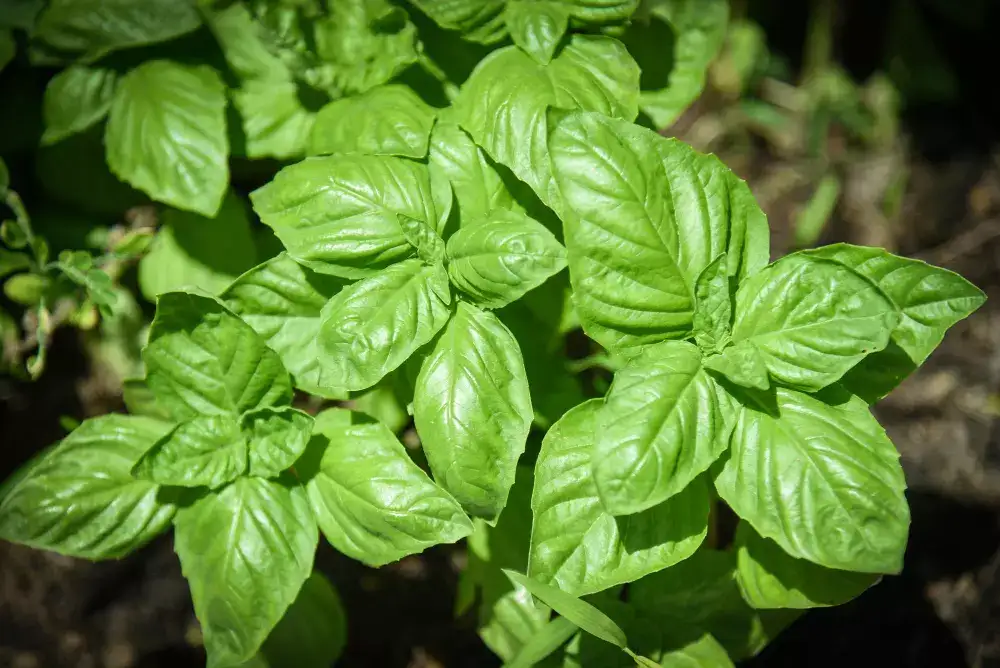
1. Basil and Tomatoes:
Known as the classic Italian pairing, basil and tomatoes are not only culinary soulmates but also botanical allies. Basil's aromatic leaves emit compounds that repel pests that commonly plague tomatoes, such as aphids and whiteflies. Meanwhile, the tomatoes provide shade and shelter for the basil, preventing it from bolting in the summer heat. Planted together, these two plants thrive, with basil enhancing the flavor of tomatoes and vice versa, creating a culinary symphony in your garden and kitchen alike.
2. Rosemary and Sage:
In the realm of savory herbs, few duos rival the robust flavors and hardy nature of rosemary and sage. These Mediterranean staples not only share similar growing conditions but also complement each other perfectly in both taste and function. Rosemary's woody aroma helps deter pests like cabbage moths and carrot flies, while sage's pungent scent repels harmful insects like cabbage loopers and bean beetles. Together, they form a fragrant barrier against unwanted garden guests, all while adding depth and complexity to your culinary creations.
3. Mint and Chamomile:
For a garden that's as calming as it is productive, look no further than the pairing of mint and chamomile. Mint's vigorous growth and refreshing scent make it an excellent companion for the delicate, daisy-like flowers of chamomile. While mint spreads rapidly, it also acts as a natural ground cover, suppressing weeds and keeping the soil moist around the chamomile's roots. Additionally, chamomile's bright blooms attract pollinators like bees and butterflies, benefiting both plants and ensuring a bountiful harvest of aromatic mint leaves and soothing chamomile flowers for teas and infusions.
4. Cilantro and Dill:
In the realm of culinary herbs, cilantro and dill are a dynamic duo renowned for their fresh, zesty flavors and vibrant green foliage. Beyond their culinary appeal, these herbs also share similar growth habits and environmental preferences, making them ideal companions in the garden. Cilantro's pungent aroma helps deter pests like aphids and spider mites, while dill attracts beneficial insects like ladybugs and lacewings, which prey on garden pests. Together, they create a natural pest control system while providing a continuous harvest of fragrant leaves and aromatic seeds for all your culinary endeavors.
By planting these herb combinations side-by-side in your garden, you'll not only reap the rewards of healthier, more productive plants but also create a harmonious ecosystem where each herb supports and enhances the growth of its companion. So, roll up your sleeves, dig into the earth, and let nature's dynamic duets work their magic in your garden.
1. Basil and Tomatoes:
Known as the classic Italian pairing, basil and tomatoes are not only culinary soulmates but also botanical allies. Basil's aromatic leaves emit compounds that repel pests that commonly plague tomatoes, such as aphids and whiteflies. Meanwhile, the tomatoes provide shade and shelter for the basil, preventing it from bolting in the summer heat. Planted together, these two plants thrive, with basil enhancing the flavor of tomatoes and vice versa, creating a culinary symphony in your garden and kitchen alike.
2. Rosemary and Sage:
In the realm of savory herbs, few duos rival the robust flavors and hardy nature of rosemary and sage. These Mediterranean staples not only share similar growing conditions but also complement each other perfectly in both taste and function. Rosemary's woody aroma helps deter pests like cabbage moths and carrot flies, while sage's pungent scent repels harmful insects like cabbage loopers and bean beetles. Together, they form a fragrant barrier against unwanted garden guests, all while adding depth and complexity to your culinary creations.
You may also like
- How used tea leaves can help some plants thrive: Simple step-by-step guide to use strained tea leaves as manure
- The man may be gone, but Rohit Bal's magic still walks the runway - DASTKAR becomes a moving tribute to the master
- In 2026, India's 550-Year-Old Great Banyan Tree is as big as an entire Forest
- How to clean silver items naturally: 5 Easy home remedies that can restore their shine
- Quote of the day by Adi Shankaracharya: “Who is more self-deluded than he who is careless of his own welfare after gaining a hard-won human birth and manhood, too?”; what the philosopher advises on making human life meaningful
3. Mint and Chamomile:
For a garden that's as calming as it is productive, look no further than the pairing of mint and chamomile. Mint's vigorous growth and refreshing scent make it an excellent companion for the delicate, daisy-like flowers of chamomile. While mint spreads rapidly, it also acts as a natural ground cover, suppressing weeds and keeping the soil moist around the chamomile's roots. Additionally, chamomile's bright blooms attract pollinators like bees and butterflies, benefiting both plants and ensuring a bountiful harvest of aromatic mint leaves and soothing chamomile flowers for teas and infusions.
4. Cilantro and Dill:
In the realm of culinary herbs, cilantro and dill are a dynamic duo renowned for their fresh, zesty flavors and vibrant green foliage. Beyond their culinary appeal, these herbs also share similar growth habits and environmental preferences, making them ideal companions in the garden. Cilantro's pungent aroma helps deter pests like aphids and spider mites, while dill attracts beneficial insects like ladybugs and lacewings, which prey on garden pests. Together, they create a natural pest control system while providing a continuous harvest of fragrant leaves and aromatic seeds for all your culinary endeavors.
By planting these herb combinations side-by-side in your garden, you'll not only reap the rewards of healthier, more productive plants but also create a harmonious ecosystem where each herb supports and enhances the growth of its companion. So, roll up your sleeves, dig into the earth, and let nature's dynamic duets work their magic in your garden.






Loving Newspoint? Download the app now
