
Protein-Rich Foods That Support Strength and Better Health

Protein has become one of the most talked-about nutrients in recent years, and for good reason. It plays a vital role in building and repairing muscles, supporting the immune system and helping the body produce enzymes and hormones. Yet many people associate protein only with gym enthusiasts or athletes, overlooking its importance in everyday diets. Fortunately, getting enough protein does not mean relying on expensive supplements or complicated meal plans. Many common foods found in kitchens around the world provide excellent amounts of protein. Understanding which everyday foods are naturally rich in protein can help you make healthier choices while keeping meals balanced, satisfying and nutritious.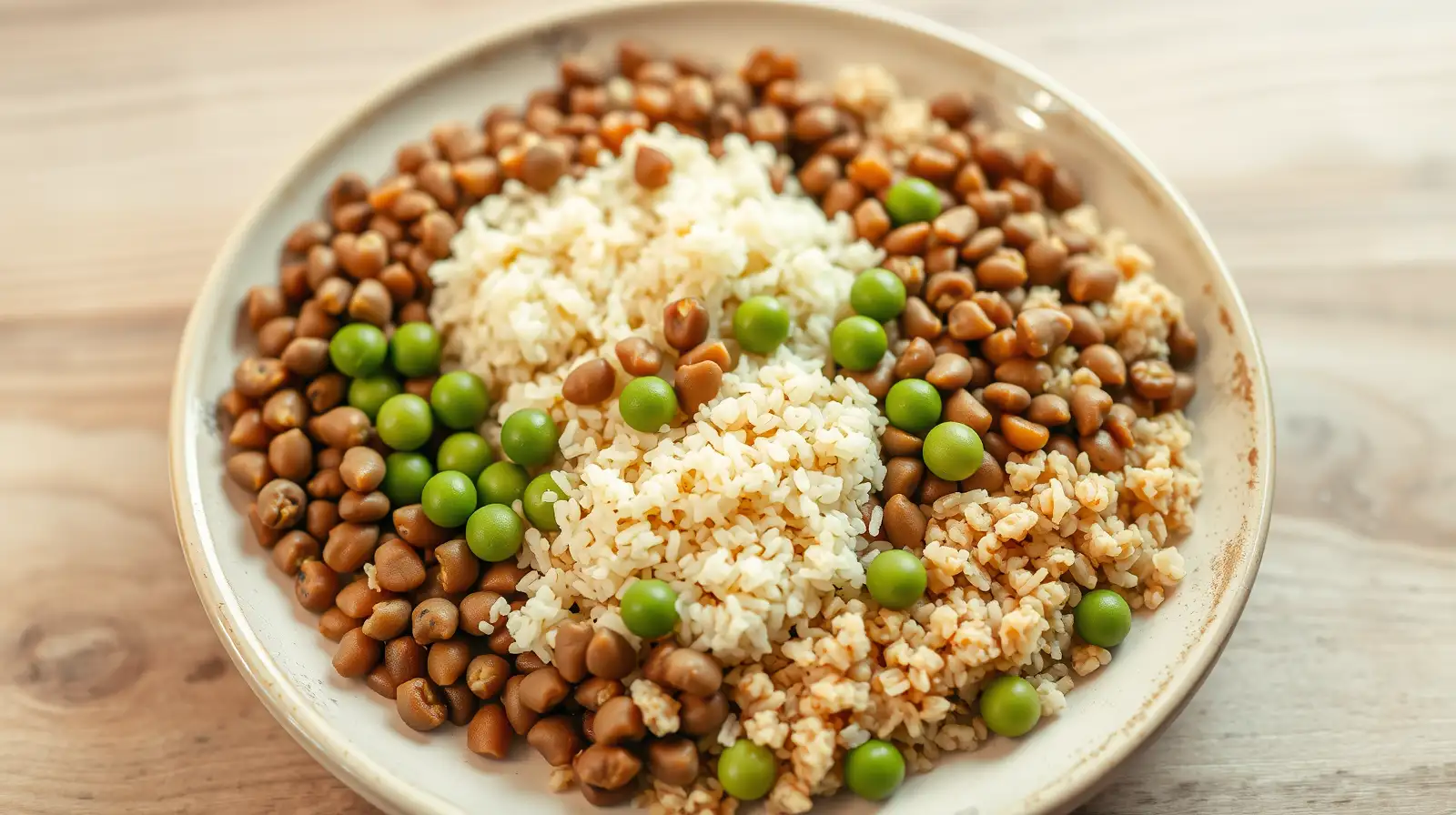
Protein also promotes satiety, meaning it helps people feel fuller for longer after meals. This can reduce unnecessary snacking and support healthy weight management when combined with a balanced diet.
The amount of protein each person needs varies depending on age, activity level and overall health, but ensuring regular intake throughout the day is generally considered beneficial.
Eggs are among the most nutritious and versatile protein sources. Whether boiled, scrambled or added to meals, they offer an affordable option for many households.
Milk, yoghurt and cheese also contribute valuable protein while providing calcium and other nutrients important for bone health. Greek yoghurt, in particular, usually contains more protein than regular yoghurt.
Chicken, fish and lean cuts of meat remain popular protein choices because they deliver substantial amounts of protein with relatively little preparation. Fish such as salmon, tuna and sardines also provide healthy omega-3 fatty acids.
Soy-based foods such as tofu and tempeh have become increasingly popular because they are versatile and rich in protein. They absorb flavours well and can be used in everything from curries to stir-fries.
Nuts and seeds, including almonds, peanuts, pumpkin seeds and chia seeds, offer protein alongside healthy fats. Although they should be eaten in moderation due to their calorie content, they make nutritious snacks.
Whole grains such as quinoa and oats also contribute modest amounts of protein while supplying valuable fibre.
Even foods such as mushrooms and broccoli contain small amounts of protein, which contribute to overall daily intake when included as part of a varied diet.
Combining different plant-based foods, such as rice with lentils or beans with whole grains, helps create a more balanced protein profile for those following vegetarian or vegan diets.
As more people focus on healthy ageing and active lifestyles, protein has become increasingly important for maintaining muscle mass throughout adulthood. Older adults, in particular, benefit from adequate protein intake to help preserve strength and mobility.
Why Protein Is Essential for Everyday Health
Protein is one of the three main macronutrients the body needs, alongside carbohydrates and fats. Unlike some nutrients that serve a single purpose, protein contributes to countless bodily functions. It helps repair tissues, supports healthy skin and hair, strengthens muscles and keeps the body's cells functioning properly.Protein also promotes satiety, meaning it helps people feel fuller for longer after meals. This can reduce unnecessary snacking and support healthy weight management when combined with a balanced diet.
The amount of protein each person needs varies depending on age, activity level and overall health, but ensuring regular intake throughout the day is generally considered beneficial.
Animal-Based Foods That Are Naturally High in Protein
Several everyday foods provide high-quality protein containing all the essential amino acids the body requires.Eggs are among the most nutritious and versatile protein sources. Whether boiled, scrambled or added to meals, they offer an affordable option for many households.
Milk, yoghurt and cheese also contribute valuable protein while providing calcium and other nutrients important for bone health. Greek yoghurt, in particular, usually contains more protein than regular yoghurt.
Chicken, fish and lean cuts of meat remain popular protein choices because they deliver substantial amounts of protein with relatively little preparation. Fish such as salmon, tuna and sardines also provide healthy omega-3 fatty acids.
Plant-Based Protein Sources Are More Diverse Than Many People Think
Protein is not limited to animal products. Lentils, chickpeas, kidney beans and black beans are excellent plant-based protein sources that also provide fibre, vitamins and minerals.You may also like
- Rajshri Deshpande-led Baapya heads Marathi line-up at IFFM | EXCLUSIVE
- Vande Bharat: What is the salary of a Vande Bharat loco pilot? Here is the recruitment process.
- Most tourists miss these incredible border villages; PM Modi wants young Indians to change that
- Monsoon skin and hair reset: Best beauty routine for the rainy season
- How to get a new electricity connection quickly using your Aadhaar card? Here is the complete process.
Soy-based foods such as tofu and tempeh have become increasingly popular because they are versatile and rich in protein. They absorb flavours well and can be used in everything from curries to stir-fries.
Nuts and seeds, including almonds, peanuts, pumpkin seeds and chia seeds, offer protein alongside healthy fats. Although they should be eaten in moderation due to their calorie content, they make nutritious snacks.
Whole grains such as quinoa and oats also contribute modest amounts of protein while supplying valuable fibre.
Lesser-Known High-Protein Foods
Many people are surprised to learn that green peas contain more protein than most vegetables. Cottage cheese is another underrated option that provides a generous amount of protein while remaining relatively low in fat.Even foods such as mushrooms and broccoli contain small amounts of protein, which contribute to overall daily intake when included as part of a varied diet.
Combining different plant-based foods, such as rice with lentils or beans with whole grains, helps create a more balanced protein profile for those following vegetarian or vegan diets.
Why Protein Matters More Than Ever Today
Modern lifestyles often involve long working hours, irregular eating habits and highly processed convenience foods. Choosing protein-rich foods can help maintain energy levels, support muscle health and improve meal satisfaction.As more people focus on healthy ageing and active lifestyles, protein has become increasingly important for maintaining muscle mass throughout adulthood. Older adults, in particular, benefit from adequate protein intake to help preserve strength and mobility.






Loving Newspoint? Download the app now
