
Preparing for Postpartum Recovery Before Birth: A Third Trimester Guide


Women are taught to prepare mentally, emotionally, and physically for labour. But the truth is, the labour and delivery can finish in one or two days. What follows after that can stretch for days and months. The first week of postpartum can be overwhelming, painful, and mentally challenging. Sleepless nights, physical pain, hormonal changes, and emotional shifts all knock at the same time.
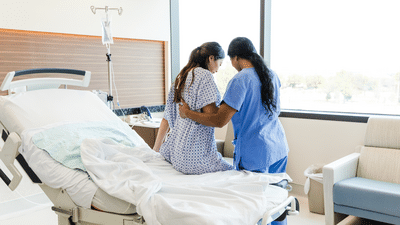
But you can reduce the severity of all the postpartum afterpains to an extent with the right strategies. The true postpartum recovery starts while you are pregnant. Once the delivery happens, the body relies on the existing physical strength and nutritional stores. During the third trimester, you can actually lay the foundation for healthy postpartum recovery by indulging in nutritious foods, mindful habits, and physical strength.
Why the Third Trimester is Crucial for Postpartum Recovery
The third trimester is an important phase during pregnancy. It's the time when the fetus is rapidly growing and preparing for safe delivery. Your body collectively works together for safe labour. It's also the time when the body is actively getting ready for recovery.
During weeks 28-40:
Blood volume increases by about 40-50% to deliver oxygen and nutrients to the baby. This demands more iron and protein.
Relaxin loosens ligaments and strains the back, hips, and pelvis, leading to more pain.
Postpartum healing is dependent on parental health. Every healthy decision you make in the third trimester reflects in healing.
How to Prepare for Postpartum Recovery
Physical Preparation
Practising gentle prenatal movement in the third trimester results in less postpartum back and pelvic pain, increases mobility, and supports core and pelvic floor coordination. A weak pelvic floor can increase pain during postpartum.
You don't have to indulge in a heavy, intense workout. Simple walking, prenatal yoga, stretching, pelvic floor coordination, and light strength work are enough for circulation, endurance, and support flexibility.
Starting from week 34, massaging the perineum boosts flexibility. When the perineum is flexible, it can reduce during/while vaginal delivery, which fosters healing.
Nutrition
After birth, the pregnancy hormones instantly drop, and oxytocin and prolactin surge for breastfeeding. After placental delivery, the body must work to repair uterine and perineal tissue, stabilise hormones, produce breastmilk, and restore strength. Nutritional deficiencies in the third trimester can disrupt postpartum healing, increase fatigue, and lead to anxiety.

Your third-trimester diet must have all the necessary nutrients, such as:
Hydration
Drink at least 3-4 litres of water every day to avoid dehydration. Water helps in milk production and flushing toxins from the body.
Constipation
During pregnancy, progesterone relaxes smooth muscles and slows down food movement, which hinders digestion and causes constipation. Iron consumption and prenatal medicines add to it. Hydration and fibre-rich foods soften stool and support regular bowel movement.
Mental and Emotional Preparation
The stress and fear about delivery, C-section, vaginal delivery, and identity shifts from an individual to a mother can be stressful and frustrating, which can often overpower the excitement to see the baby. Stress in pregnancy can slow down postpartum recovery and increase the risk of anxiety and depression.
Regulate the Nervous System
Cortisol, the main stress hormone, disturbs sleep and causes inflammation in the uterus, mimicking fight or flight mode. Research says elevated prenatal cortisol increases the risk of postpartum depression and slows down uterine healing.
To regulate your nervous system, start practising mindfulness, meditation, and grounding exercises in the third trimester. These exercises help in rewiring your stress responses and promote calm during postpartum.
The third trimester is the time when your body is actively preparing for birth and recovery. During this time, every nutrition and workout decision matters. During the third trimester, along with preparing your mind and body, get your home ready to welcome the baby and support your recovery.
If living in a joint family, delegate tasks to each family member for cooking, cleaning, and taking care of the baby while you are sleeping. This reduces the load and supports healing. You need home-cooked food to support energy levels and blood sugar stability. Prepare a house help or ask your mother-in-law for help. This way, you can be nutritionally, physically, and emotionally healthy and prepare for the big postpartum period.
Whether you’re pregnant, a new mom, or navigating postpartum, you don’t have to do it alone. Join our support group to connect, share, and support one another.
FAQs on Starting Postpartum Recovery Preparation in the Third TrimesterWhat are the five rules for postpartum recovery?
The 5-5- 5 rules for postpartum recovery are made to support healing during postpartum. It involves resting for 5 days in bed. During the resting days, you only get up for emergencies, do light activities, and spend time bonding with the newborn. The next 5 days, you can sit up and do gentle movements. The last 5 days, move more around the house. During these 15 days, you can do light walking and avoid any strenuous activity. What postpartum symptoms should not be ignored?
During postpartum, if the bleeding increases rather than gradually decreasing, you feel pain in the lungs or heart, severe headache, blurred vision, nausea, fever with chills, swelling at the incision or episiotomy, swelling or redness in the legs, or sudden weakness, you must immediately report to the doctor.
But you can reduce the severity of all the postpartum afterpains to an extent with the right strategies. The true postpartum recovery starts while you are pregnant. Once the delivery happens, the body relies on the existing physical strength and nutritional stores. During the third trimester, you can actually lay the foundation for healthy postpartum recovery by indulging in nutritious foods, mindful habits, and physical strength.
Why the Third Trimester is Crucial for Postpartum Recovery
The third trimester is an important phase during pregnancy. It's the time when the fetus is rapidly growing and preparing for safe delivery. Your body collectively works together for safe labour. It's also the time when the body is actively getting ready for recovery.
During weeks 28-40:
- Oestrogen and progesterone increase to boost immune modulation and tissue repair for birth and healing. After delivery, these hormones drop instantly and trigger collagenase activity for uterine Involution.
Postpartum healing is dependent on parental health. Every healthy decision you make in the third trimester reflects in healing.
How to Prepare for Postpartum Recovery
Physical Preparation
Practising gentle prenatal movement in the third trimester results in less postpartum back and pelvic pain, increases mobility, and supports core and pelvic floor coordination. A weak pelvic floor can increase pain during postpartum.
You don't have to indulge in a heavy, intense workout. Simple walking, prenatal yoga, stretching, pelvic floor coordination, and light strength work are enough for circulation, endurance, and support flexibility.
Starting from week 34, massaging the perineum boosts flexibility. When the perineum is flexible, it can reduce during/while vaginal delivery, which fosters healing.
Nutrition
After birth, the pregnancy hormones instantly drop, and oxytocin and prolactin surge for breastfeeding. After placental delivery, the body must work to repair uterine and perineal tissue, stabilise hormones, produce breastmilk, and restore strength. Nutritional deficiencies in the third trimester can disrupt postpartum healing, increase fatigue, and lead to anxiety.
Your third-trimester diet must have all the necessary nutrients, such as:
- Protein: Protein helps in tissue repair. In the third trimester, a baby's rapid growth needs more protein, and you have to eat 70- 100 g daily to prepare for labour. Optimal protein intake in the late trimester leads to better muscle recovery and milk production. Lean chicken, eggs, lentils, nuts, seeds, and soy products are healthy protein sources.
- Iron: During delivery, the body loses more than 500 ml of blood. Iron is important for blood production and reducing anaemia risks. You need to take 27mg of iron daily during the third trimester to combat fatigue and support haemoglobin during recovery. Red meat, chicken, fortified cereals, and lentils are great iron sources.
- Omega-3 Fatty Acids: These healthy fats reduce the risk of postpartum inflammation and it protects my mother from postpartum blues. Omega-3 is important for the baby's brain and stabilises the mother's hormones and reduce swelling. Fatty fish, eggs, chia and flaxseed are great sources.
- Magnesium: Magnesium soothes cramps, helps boost sleep, and regulates the nervous system. You need 350- 490 mg of magnesium in the third trimester for muscle relaxation. It fights against constipation and supports heartbeat regulation. Pumpkin seeds, almonds, black beans, green leafy vegetables, and dark chocolate are great sources of magnesium.
Hydration
Drink at least 3-4 litres of water every day to avoid dehydration. Water helps in milk production and flushing toxins from the body.
Constipation
During pregnancy, progesterone relaxes smooth muscles and slows down food movement, which hinders digestion and causes constipation. Iron consumption and prenatal medicines add to it. Hydration and fibre-rich foods soften stool and support regular bowel movement.
Mental and Emotional Preparation
The stress and fear about delivery, C-section, vaginal delivery, and identity shifts from an individual to a mother can be stressful and frustrating, which can often overpower the excitement to see the baby. Stress in pregnancy can slow down postpartum recovery and increase the risk of anxiety and depression.
Regulate the Nervous System
Cortisol, the main stress hormone, disturbs sleep and causes inflammation in the uterus, mimicking fight or flight mode. Research says elevated prenatal cortisol increases the risk of postpartum depression and slows down uterine healing.
To regulate your nervous system, start practising mindfulness, meditation, and grounding exercises in the third trimester. These exercises help in rewiring your stress responses and promote calm during postpartum.
- 4-7-8 Breathing: slowly breathe in via the nose for 4 seconds, hold the breath for 7 seconds and slowly exhale via the mouth for eight seconds. Repeating four times a day lowers the heart rate.
- Body Scan: Lie down straight and close your eyes. Mentally check from toes to head while releasing tension and appreciating each part and its function. This simple practice increases restful sleep and boosts mood.
- Affirmation: Place your hands on your chest and talk good things to yourself.
- Nature Walks: Go for a nature walk every day for 10-20 minutes. Sunlight boosts serotonin, which reduces prenatal distress.
The third trimester is the time when your body is actively preparing for birth and recovery. During this time, every nutrition and workout decision matters. During the third trimester, along with preparing your mind and body, get your home ready to welcome the baby and support your recovery.
If living in a joint family, delegate tasks to each family member for cooking, cleaning, and taking care of the baby while you are sleeping. This reduces the load and supports healing. You need home-cooked food to support energy levels and blood sugar stability. Prepare a house help or ask your mother-in-law for help. This way, you can be nutritionally, physically, and emotionally healthy and prepare for the big postpartum period.
Whether you’re pregnant, a new mom, or navigating postpartum, you don’t have to do it alone. Join our support group to connect, share, and support one another.
FAQs on Starting Postpartum Recovery Preparation in the Third Trimester
The 5-5- 5 rules for postpartum recovery are made to support healing during postpartum. It involves resting for 5 days in bed. During the resting days, you only get up for emergencies, do light activities, and spend time bonding with the newborn. The next 5 days, you can sit up and do gentle movements. The last 5 days, move more around the house. During these 15 days, you can do light walking and avoid any strenuous activity.
During postpartum, if the bleeding increases rather than gradually decreasing, you feel pain in the lungs or heart, severe headache, blurred vision, nausea, fever with chills, swelling at the incision or episiotomy, swelling or redness in the legs, or sudden weakness, you must immediately report to the doctor.
Next Story