
5 Steps to Fold and Store a Pashmina Shawl So It Lasts for Years

A pashmina is not wool in the ordinary sense. The fibre comes from the underbelly of the Changthangi goat, combed out in small quantities each spring, and its fineness is what makes it both warm and fragile. Handle it the way you handle a thick acrylic stole and it will pill, stretch, and lose its drape within a season or two.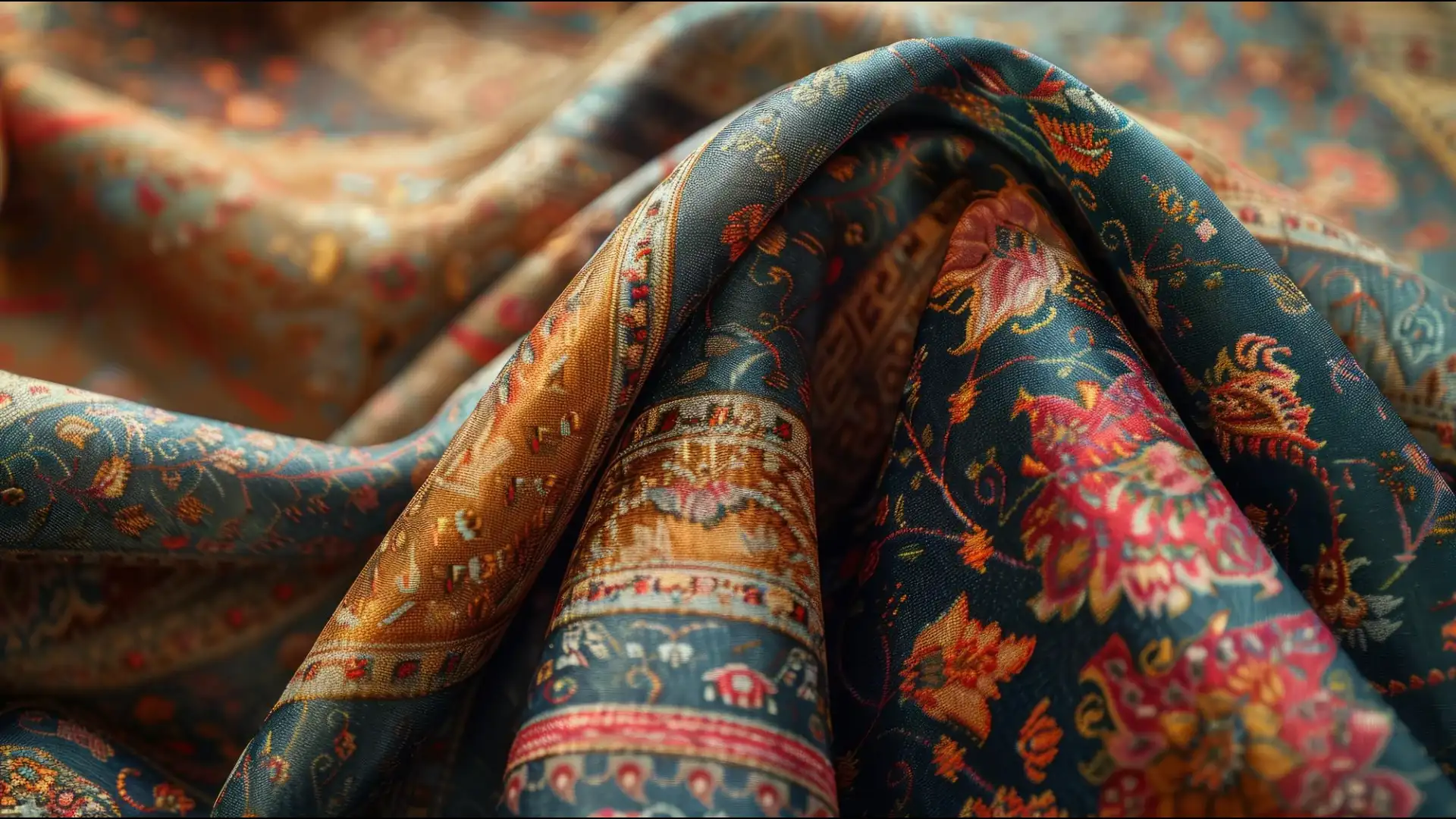
A genuine pashmina, kept this way, does not wear out, it softens. The fibres relax with age rather than breaking down, and a shawl that has been stored carefully for ten years often drapes better than a new one. The care is not complicated; it is just specific, and specificity is what the fibre asks for.
Step 1: Air It Before You Put It Away
Never fold a pashmina straight off your shoulders. Body warmth traps moisture in the fibres, and folding it damp, even slightly, invites mildew and weakens the weave from inside. Lay it flat on a clean dry surface, or drape it loosely over a chair back, for twenty to thirty minutes. Let the fibres breathe and return to room temperature first.Step 2: Fold Along the Warp, Not Across It
The warp threads run lengthwise along the shawl. Folding across them, the way most people halve a blanket, puts repeated stress on the same crosswise line each time. Instead, fold lengthwise first: bring one long edge to meet the other. Then fold in thirds along the length, so the shawl ends up as a long, flat rectangle roughly the width of your forearm. This distributes any crease across a larger area and keeps no single thread under constant tension.Step 3: Wrap It in Muslin, Not Plastic
Plastic bags and sealed containers trap humidity and cut off air circulation. Over months, this creates the exact conditions that attract moth larvae and cause fibres to felt together. Muslin, the thin unbleached cotton sold by the metre at any fabric market, lets the shawl breathe while keeping dust off. Wrap the folded rectangle loosely. A pillowcase made of pure cotton works just as well. Avoid cedar chips touching the fabric directly; cedar oil can stain pale pashminas.Step 4: Store Flat, Never on a Hanger
A pashmina hung on a hook or hanger stretches under its own weight. The shoulder area distorts first, then the drape along the sides goes uneven. Flat storage in a drawer or on a shelf keeps the weave in its original geometry. If drawer space is short, stack shawls with the heaviest fabric at the bottom and the finest on top. Slide a small sachet of dried lavender or neem leaves between layers, both deter moths without direct contact with the fibre.Step 5: Refold Along a Different Line Every Few Months
Even a well-folded shawl develops a permanent crease if it sits in the same position for a full season. Every two to three months, take it out, air it briefly, and refold it with the fold lines shifted slightly. This is the single habit that separates a pashmina that lasts a decade from one that shows a worn ridge across the middle after two winters. It takes three minutes and costs nothing.A genuine pashmina, kept this way, does not wear out, it softens. The fibres relax with age rather than breaking down, and a shawl that has been stored carefully for ten years often drapes better than a new one. The care is not complicated; it is just specific, and specificity is what the fibre asks for.
Next Story