
Longevity in the Fridge: Tips for Preserving Vegetable Freshness and Reducing Waste

In a world where food waste is a significant concern, maximizing the lifespan of vegetables in your fridge is not only economical but also environmentally responsible. Whether you're a seasoned chef or a novice cook, knowing how to properly store vegetables can make a substantial difference in both their freshness and your budget. Here are some tips for preserving vegetable freshness and reducing waste :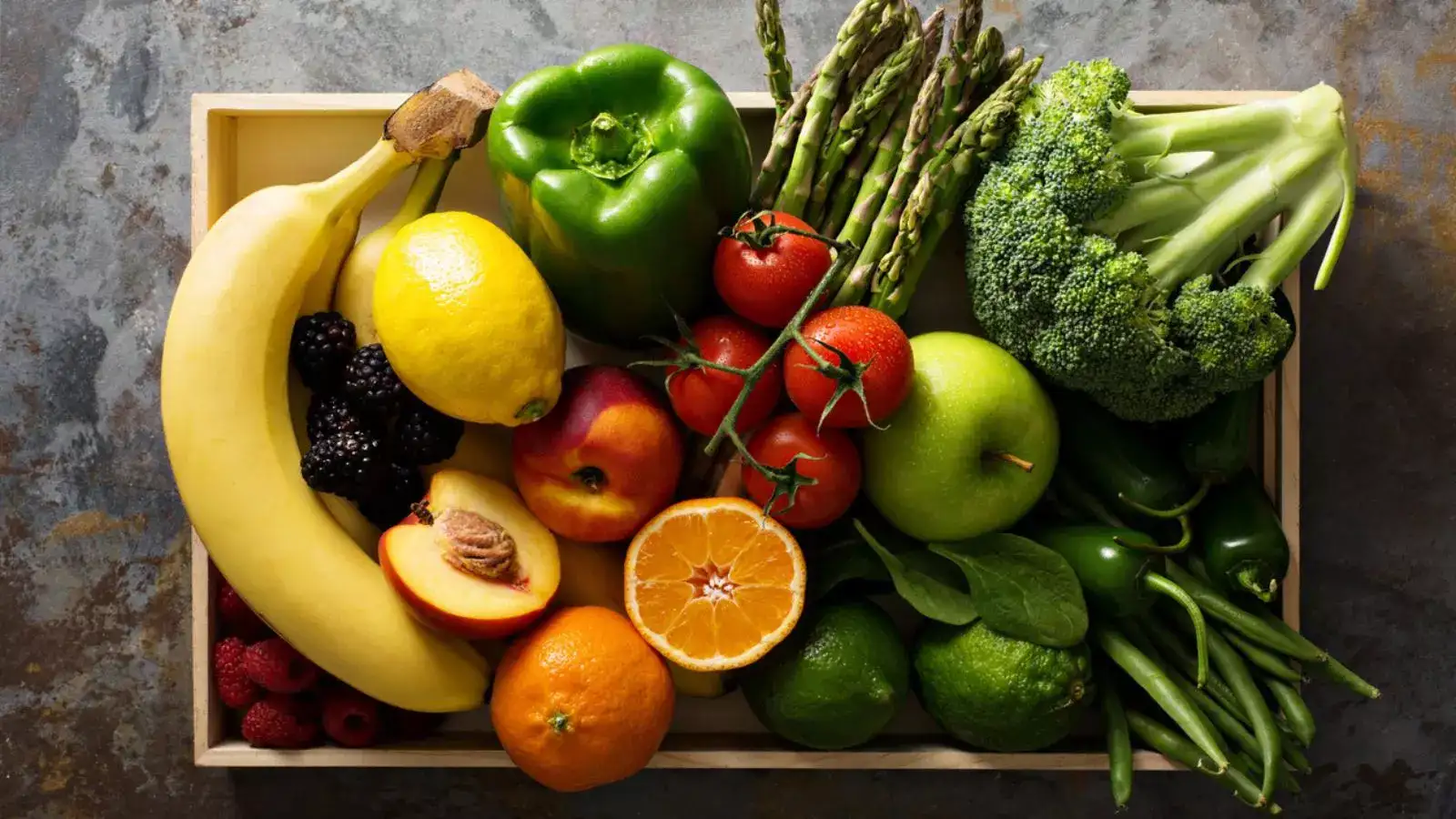
Temperature and Humidity Control: One of the fundamental factors in vegetable preservation is maintaining the right temperature and humidity levels in your refrigerator. Most vegetables thrive in a cool, humid environment. Therefore, storing them in the crisper drawer, where humidity levels can be adjusted, is ideal. However, it's essential to note that not all vegetables have the same requirements. Leafy greens, for instance, prefer higher humidity, while root vegetables do better in slightly lower humidity.
Proper Packaging: Proper packaging is key to extending the shelf life of vegetables. For leafy greens like lettuce and spinach, loosely wrap them in a paper towel before placing them in a resealable plastic bag. This helps absorb excess moisture and prevents wilting. For other vegetables, such as carrots and celery, store them in perforated plastic bags or containers to maintain moisture levels while allowing for airflow.
Avoid Moisture Buildup: Excess moisture can accelerate spoilage and mold growth in vegetables. To prevent this, make sure to remove any wet or damp spots before storing vegetables in the fridge. Additionally, avoid washing vegetables until you're ready to use them, as moisture can promote bacterial growth and decay.
Separate Ethylene Producers: Certain fruits and vegetables produce ethylene gas, which speeds up the ripening process and can cause nearby produce to spoil faster. To prevent this, store ethylene-producing fruits such as apples, bananas, and tomatoes separately from vegetables. If space allows, designate different compartments in your fridge for fruits and vegetables to minimize cross-contamination.
Utilize the Freezer: If you find yourself with an abundance of vegetables that you won't be able to consume before they spoil, consider freezing them for later use. Blanching vegetables before freezing helps preserve their color, flavor, and nutritional value. Simply blanch vegetables in boiling water for a few minutes, then plunge them into ice water to stop the cooking process before freezing them in airtight containers or freezer bags.
Rotate Your Stock: To ensure that you use vegetables before they spoil, practice FIFO (first in, first out) rotation. When unpacking groceries, move older vegetables to the front of the fridge or crisper drawer and place newer ones behind them. This way, you'll be more likely to use the older vegetables before they spoil.
Monitor and Discard Spoiled Produce: Regularly inspect your vegetables for signs of spoilage, such as mold, mushiness, or off odors. Remove any spoiled produce immediately to prevent it from contaminating the rest of your vegetables. By promptly discarding spoiled items, you can help prolong the freshness of the remaining vegetables in your fridge.
With a few simple strategies, you can significantly extend the shelf life of vegetables in your fridge while reducing food waste. By controlling temperature and humidity, properly packaging vegetables, avoiding moisture buildup, separating ethylene producers, utilizing the freezer, rotating your stock, and monitoring for spoilage, you can enjoy fresh and flavorful vegetables for longer periods, ultimately saving money and minimizing your environmental footprint. So, the next time you stock up on veggies, remember these tips to make the most out of your purchases and contribute to a more sustainable food system.
Temperature and Humidity Control: One of the fundamental factors in vegetable preservation is maintaining the right temperature and humidity levels in your refrigerator. Most vegetables thrive in a cool, humid environment. Therefore, storing them in the crisper drawer, where humidity levels can be adjusted, is ideal. However, it's essential to note that not all vegetables have the same requirements. Leafy greens, for instance, prefer higher humidity, while root vegetables do better in slightly lower humidity.
Proper Packaging: Proper packaging is key to extending the shelf life of vegetables. For leafy greens like lettuce and spinach, loosely wrap them in a paper towel before placing them in a resealable plastic bag. This helps absorb excess moisture and prevents wilting. For other vegetables, such as carrots and celery, store them in perforated plastic bags or containers to maintain moisture levels while allowing for airflow.
You may also like
- Ration Card: If you have not taken ration for 6 months, then the government is going to take a big step...it will close your ration card!
- The MP government is providing scooters to 7,500 students; find out how to check your name on the list of beneficiaries..
- What bank-related rules are set to change from October 1st? Check the full list..
- 169 years of tradition, brought alive for a new generation at Badan Chandra Roy Rajbari
- Navratri 2026: Why Bengalis Eat Non-Veg During Durga Puja While Many Others Fast
Avoid Moisture Buildup: Excess moisture can accelerate spoilage and mold growth in vegetables. To prevent this, make sure to remove any wet or damp spots before storing vegetables in the fridge. Additionally, avoid washing vegetables until you're ready to use them, as moisture can promote bacterial growth and decay.
Separate Ethylene Producers: Certain fruits and vegetables produce ethylene gas, which speeds up the ripening process and can cause nearby produce to spoil faster. To prevent this, store ethylene-producing fruits such as apples, bananas, and tomatoes separately from vegetables. If space allows, designate different compartments in your fridge for fruits and vegetables to minimize cross-contamination.
Utilize the Freezer: If you find yourself with an abundance of vegetables that you won't be able to consume before they spoil, consider freezing them for later use. Blanching vegetables before freezing helps preserve their color, flavor, and nutritional value. Simply blanch vegetables in boiling water for a few minutes, then plunge them into ice water to stop the cooking process before freezing them in airtight containers or freezer bags.
Rotate Your Stock: To ensure that you use vegetables before they spoil, practice FIFO (first in, first out) rotation. When unpacking groceries, move older vegetables to the front of the fridge or crisper drawer and place newer ones behind them. This way, you'll be more likely to use the older vegetables before they spoil.
Monitor and Discard Spoiled Produce: Regularly inspect your vegetables for signs of spoilage, such as mold, mushiness, or off odors. Remove any spoiled produce immediately to prevent it from contaminating the rest of your vegetables. By promptly discarding spoiled items, you can help prolong the freshness of the remaining vegetables in your fridge.
With a few simple strategies, you can significantly extend the shelf life of vegetables in your fridge while reducing food waste. By controlling temperature and humidity, properly packaging vegetables, avoiding moisture buildup, separating ethylene producers, utilizing the freezer, rotating your stock, and monitoring for spoilage, you can enjoy fresh and flavorful vegetables for longer periods, ultimately saving money and minimizing your environmental footprint. So, the next time you stock up on veggies, remember these tips to make the most out of your purchases and contribute to a more sustainable food system.






Loving Newspoint? Download the app now
