
Prevent Heart Disease Naturally with These Easy Lifestyle Adjustments

Heart-related complications are on the rise, mainly due to unhealthy lifestyle choices such as excessive alcohol consumption, smoking, and poor dietary habits. However, preventing heart disease doesn’t always require drastic measures. By making small, consistent changes in daily life, you can significantly improve your heart health. Here are seven simple yet effective habits to strengthen your heart and reduce the risk of cardiovascular diseases.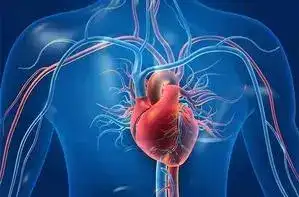
2. Stay Active with Regular Exercise
Engaging in at least 30 minutes of moderate physical activity daily, such as brisk walking, cycling, or swimming, helps strengthen the heart muscles, regulate blood pressure, and improve circulation. A consistent exercise routine keeps your heart strong and resilient.
3. Follow a Heart-Healthy Diet
A balanced diet rich in fruits, vegetables, lean proteins, and healthy fats supports cardiovascular health. Reducing the intake of processed and fast food minimizes the risk of inflammation and arterial blockages, ensuring better heart function.
4. Limit Alcohol Consumption
Excessive alcohol intake weakens the heart muscle and contributes to high blood pressure and irregular heart rhythms. Moderation is key—limiting alcohol consumption can help maintain a stable cardiovascular system.
5. Quit Smoking for Better Circulation
Smoking damages blood vessels, reduces oxygen levels, and increases the risk of heart attacks and strokes. Quitting smoking can drastically improve circulation, lower blood pressure, and promote overall heart health.
6. Stay Hydrated for Optimal Blood Flow
Proper hydration ensures smooth blood circulation, preventing the risk of thickened blood and clot formation. Drinking enough water throughout the day helps regulate blood pressure and reduces unnecessary strain on the heart.
7. Prioritize Quality Sleep
Inadequate sleep is linked to high blood pressure, obesity, and irregular heart rhythms. Aim for 7 to 9 hours of restful sleep each night to allow your heart to recover and function efficiently. Good sleep also helps regulate hormones responsible for metabolism and stress management.
8. Get Regular Health Check-Ups
Many heart-related conditions, such as high blood pressure, high cholesterol, and diabetes, develop without noticeable symptoms. Routine medical screenings help detect these issues early, allowing for timely intervention and reduced risk of heart disease.
9. Conclusion
Caring for your heart doesn’t have to be complicated. Simple, everyday choices like regular exercise, a balanced diet, quitting harmful habits, and prioritizing sleep can significantly improve heart health. By adopting these habits, you take a proactive step toward a longer, healthier life.
2. Stay Active with Regular Exercise
Engaging in at least 30 minutes of moderate physical activity daily, such as brisk walking, cycling, or swimming, helps strengthen the heart muscles, regulate blood pressure, and improve circulation. A consistent exercise routine keeps your heart strong and resilient.
3. Follow a Heart-Healthy Diet
A balanced diet rich in fruits, vegetables, lean proteins, and healthy fats supports cardiovascular health. Reducing the intake of processed and fast food minimizes the risk of inflammation and arterial blockages, ensuring better heart function.
You may also like
- Parents who proudly say 'No screen time' may be missing the point, says leading pediatrician: “It's not some poison”
- Alternatives to Breastfeeding: An Age-Wise Guide and Safe Storage Rules
- The Things Today's Kids May Never Experience That Their Parents Took for Granted
- Roman dress with long sleeves praised by older shoppers for being 'very good value'
- Quick and Easy Bread Rasmalai Recipe for Sweet Cravings
4. Limit Alcohol Consumption
Excessive alcohol intake weakens the heart muscle and contributes to high blood pressure and irregular heart rhythms. Moderation is key—limiting alcohol consumption can help maintain a stable cardiovascular system.
5. Quit Smoking for Better Circulation
Smoking damages blood vessels, reduces oxygen levels, and increases the risk of heart attacks and strokes. Quitting smoking can drastically improve circulation, lower blood pressure, and promote overall heart health.
6. Stay Hydrated for Optimal Blood Flow
Proper hydration ensures smooth blood circulation, preventing the risk of thickened blood and clot formation. Drinking enough water throughout the day helps regulate blood pressure and reduces unnecessary strain on the heart.
7. Prioritize Quality Sleep
Inadequate sleep is linked to high blood pressure, obesity, and irregular heart rhythms. Aim for 7 to 9 hours of restful sleep each night to allow your heart to recover and function efficiently. Good sleep also helps regulate hormones responsible for metabolism and stress management.
8. Get Regular Health Check-Ups
Many heart-related conditions, such as high blood pressure, high cholesterol, and diabetes, develop without noticeable symptoms. Routine medical screenings help detect these issues early, allowing for timely intervention and reduced risk of heart disease.
9. Conclusion
Caring for your heart doesn’t have to be complicated. Simple, everyday choices like regular exercise, a balanced diet, quitting harmful habits, and prioritizing sleep can significantly improve heart health. By adopting these habits, you take a proactive step toward a longer, healthier life.






Loving Newspoint? Download the app now
