
Protein-Packed Plants: Essential Sources For Vegan Nutrition

In recent years, the popularity of veganism has surged, driven by ethical, environmental, and health considerations. One common concern for those transitioning to a vegan diet is ensuring adequate protein intake. Contrary to the misconception that plant-based diets lack protein, there are numerous protein-rich sources available to vegans. Here's a comprehensive guide to some of the best protein sources for vegans.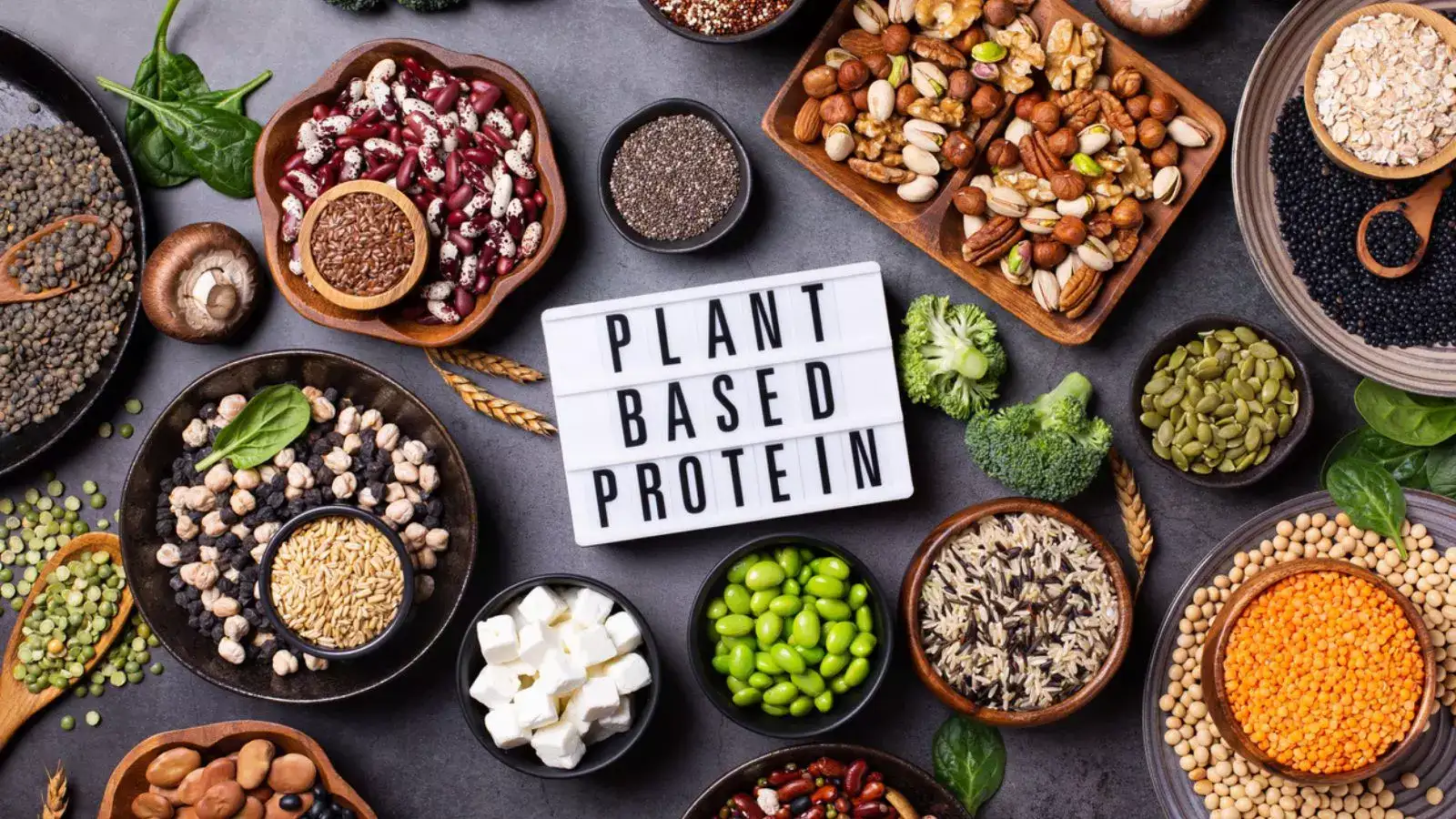
Legumes
Legumes are a cornerstone of vegan protein. They include beans (such as black beans, chickpeas, and kidney beans), lentils, and peas. Legumes are not only rich in protein but also in fiber, vitamins, and minerals. They can be easily incorporated into various dishes like soups, stews, salads, and curries.
Tofu and Tempeh
Tofu and tempeh are soy-based products that are highly versatile and excellent sources of protein for vegans. Tofu, made from soybean curds, can be scrambled, grilled, or blended into smoothies. Tempeh, a fermented soybean cake, has a nutty flavor and can be sliced or crumbled into dishes.
Quinoa
Quinoa is a complete protein, meaning it contains all nine essential amino acids that the body cannot produce on its own. This gluten-free grain is incredibly versatile and can be used as a base for salads, porridge, or pilafs.
Nuts and Seeds
Nuts (like almonds, peanuts, and walnuts) and seeds (such as chia seeds, hemp seeds, and pumpkin seeds) are rich in protein, healthy fats, and micronutrients. They make great snacks and can also be added to oatmeal, yogurt, or baked goods.
Seitan
Seitan, also known as wheat meat or wheat gluten, is a high-protein meat substitute made from gluten, the protein in wheat. It has a chewy texture and absorbs flavors well, making it ideal for stir-fries, sandwiches, and kebabs.
Edamame
Edamame are young soybeans that are harvested before they harden. They are not only a good source of protein but also of fiber, vitamins, and minerals. Edamame can be enjoyed steamed as a snack or added to salads and stir-fries.
Chickpeas
Chickpeas, also known as garbanzo beans, are incredibly versatile and can be used in numerous vegan dishes. They can be roasted for a crunchy snack, blended into hummus, or tossed into salads and curries.
Spirulina
Spirulina is a nutrient-dense blue-green algae that is exceptionally high in protein. It can be consumed in powdered form and added to smoothies or juices for an extra protein boost.
Nutritional Yeast
Nutritional yeast is a deactivated yeast with a cheesy flavor. It's often used as a topping for popcorn or pasta dishes and can also be added to sauces and dressings for a savory protein kick.
Plant-Based Protein Powders
For those looking for a convenient protein source, there are various plant-based protein powders available, such as pea protein, rice protein, or hemp protein. These powders can be easily added to smoothies or shakes.
When planning a vegan diet, it's important to vary protein sources to ensure you're getting all essential amino acids. By incorporating a combination of these protein-rich foods into your meals, you can easily meet your protein needs while enjoying a delicious and balanced plant-based diet.
Legumes
Legumes are a cornerstone of vegan protein. They include beans (such as black beans, chickpeas, and kidney beans), lentils, and peas. Legumes are not only rich in protein but also in fiber, vitamins, and minerals. They can be easily incorporated into various dishes like soups, stews, salads, and curries.
Tofu and Tempeh
Tofu and tempeh are soy-based products that are highly versatile and excellent sources of protein for vegans. Tofu, made from soybean curds, can be scrambled, grilled, or blended into smoothies. Tempeh, a fermented soybean cake, has a nutty flavor and can be sliced or crumbled into dishes.
Quinoa
Quinoa is a complete protein, meaning it contains all nine essential amino acids that the body cannot produce on its own. This gluten-free grain is incredibly versatile and can be used as a base for salads, porridge, or pilafs.
Nuts and Seeds
Nuts (like almonds, peanuts, and walnuts) and seeds (such as chia seeds, hemp seeds, and pumpkin seeds) are rich in protein, healthy fats, and micronutrients. They make great snacks and can also be added to oatmeal, yogurt, or baked goods.
You may also like
- Word of the day: Vituperate
- In 1906, San Francisco lost more than 28,000 buildings to earthquake and fire: How the disaster reshaped the city's architecture and changed how America builds for earthquakes
- Why Your Beard Itches So Much and How You Can Finally Stop It
- 7 Things That Make Your Face Look Puffy Every Morning When You Rise
- The God Who Sleeps—and the Age That Cannot
Seitan
Seitan, also known as wheat meat or wheat gluten, is a high-protein meat substitute made from gluten, the protein in wheat. It has a chewy texture and absorbs flavors well, making it ideal for stir-fries, sandwiches, and kebabs.
Edamame
Edamame are young soybeans that are harvested before they harden. They are not only a good source of protein but also of fiber, vitamins, and minerals. Edamame can be enjoyed steamed as a snack or added to salads and stir-fries.
Chickpeas
Chickpeas, also known as garbanzo beans, are incredibly versatile and can be used in numerous vegan dishes. They can be roasted for a crunchy snack, blended into hummus, or tossed into salads and curries.
Spirulina
Spirulina is a nutrient-dense blue-green algae that is exceptionally high in protein. It can be consumed in powdered form and added to smoothies or juices for an extra protein boost.
Nutritional Yeast
Nutritional yeast is a deactivated yeast with a cheesy flavor. It's often used as a topping for popcorn or pasta dishes and can also be added to sauces and dressings for a savory protein kick.
Plant-Based Protein Powders
For those looking for a convenient protein source, there are various plant-based protein powders available, such as pea protein, rice protein, or hemp protein. These powders can be easily added to smoothies or shakes.
When planning a vegan diet, it's important to vary protein sources to ensure you're getting all essential amino acids. By incorporating a combination of these protein-rich foods into your meals, you can easily meet your protein needs while enjoying a delicious and balanced plant-based diet.






Loving Newspoint? Download the app now
