Protein-Packed Plants: Essential Sources For Vegan Nutrition

In recent years, the popularity of veganism has surged, driven by ethical, environmental, and health considerations. One common concern for those transitioning to a vegan diet is ensuring adequate protein intake. Contrary to the misconception that plant-based diets lack protein, there are numerous protein-rich sources available to vegans. Here's a comprehensive guide to some of the best protein sources for vegans.
Legumes
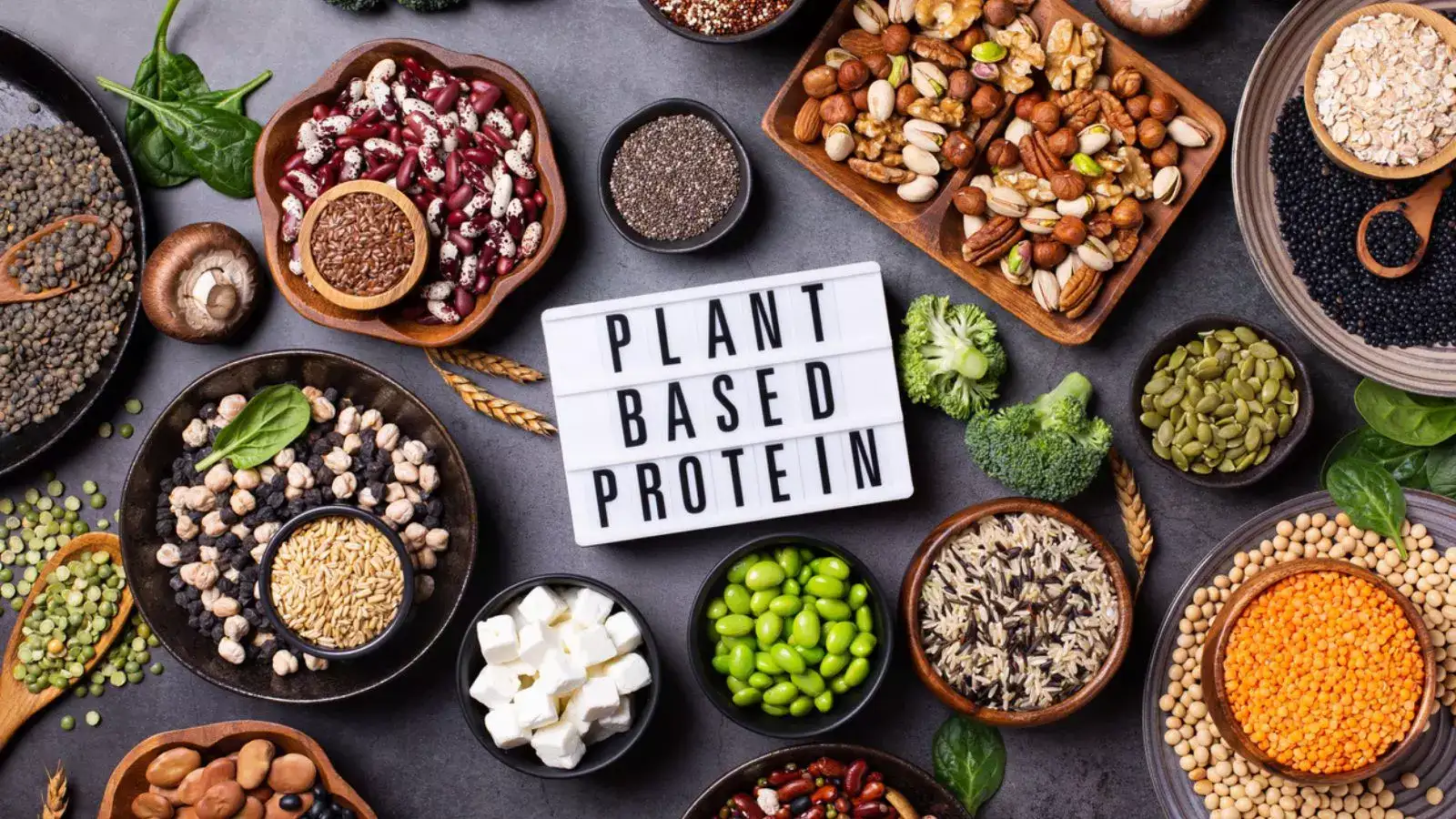
Legumes are a cornerstone of vegan protein. They include beans (such as black beans, chickpeas, and kidney beans), lentils, and peas. Legumes are not only rich in protein but also in fiber, vitamins, and minerals. They can be easily incorporated into various dishes like soups, stews, salads, and curries.
Tofu and Tempeh
Tofu and tempeh are soy-based products that are highly versatile and excellent sources of protein for vegans. Tofu, made from soybean curds, can be scrambled, grilled, or blended into smoothies. Tempeh, a fermented soybean cake, has a nutty flavor and can be sliced or crumbled into dishes.
Quinoa
Quinoa is a complete protein, meaning it contains all nine essential amino acids that the body cannot produce on its own. This gluten-free grain is incredibly versatile and can be used as a base for salads, porridge, or pilafs.
Nuts and Seeds
Nuts (like almonds, peanuts, and walnuts) and seeds (such as chia seeds, hemp seeds, and pumpkin seeds) are rich in protein, healthy fats, and micronutrients. They make great snacks and can also be added to oatmeal, yogurt, or baked goods.
Legumes
Legumes are a cornerstone of vegan protein. They include beans (such as black beans, chickpeas, and kidney beans), lentils, and peas. Legumes are not only rich in protein but also in fiber, vitamins, and minerals. They can be easily incorporated into various dishes like soups, stews, salads, and curries.
Tofu and Tempeh
Tofu and tempeh are soy-based products that are highly versatile and excellent sources of protein for vegans. Tofu, made from soybean curds, can be scrambled, grilled, or blended into smoothies. Tempeh, a fermented soybean cake, has a nutty flavor and can be sliced or crumbled into dishes.
Quinoa
Quinoa is a complete protein, meaning it contains all nine essential amino acids that the body cannot produce on its own. This gluten-free grain is incredibly versatile and can be used as a base for salads, porridge, or pilafs.
Nuts and Seeds
Nuts (like almonds, peanuts, and walnuts) and seeds (such as chia seeds, hemp seeds, and pumpkin seeds) are rich in protein, healthy fats, and micronutrients. They make great snacks and can also be added to oatmeal, yogurt, or baked goods.
Next Story