
Protein-Rich Breakfasts From Different Countries Worth Trying

Breakfast looks very different depending on where you are in the world. While some countries favour light meals of bread and fruit, others begin the day with hearty dishes packed with protein. These traditional breakfasts have evolved over generations, shaped by local ingredients, climate and culture. Today, nutrition experts increasingly recognise the value of starting the day with enough protein to support energy levels, muscle health and satiety. Exploring high-protein breakfast ideas from around the world is not only a great way to improve your diet but also an opportunity to discover new flavours and cooking traditions that have stood the test of time.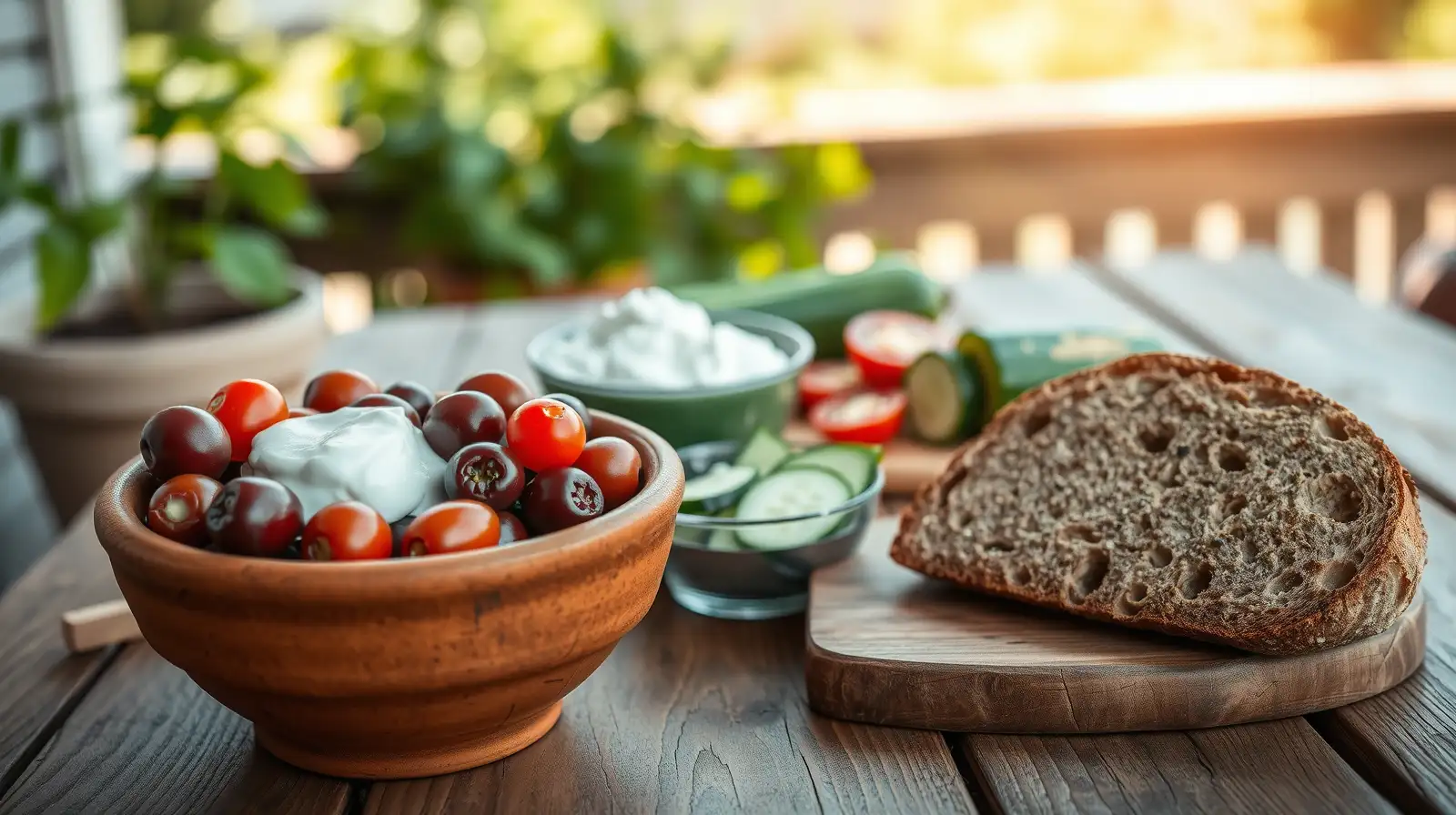
A protein-rich breakfast may also reduce unnecessary snacking later in the day, making it easier to maintain balanced eating habits. While exact protein needs differ between individuals, including a quality protein source in the morning is a practical goal for most adults.
Natto, despite its distinctive aroma and sticky texture, is one of Japan's most nutritious foods. Made from fermented soybeans, it provides complete plant protein along with vitamin K2 and beneficial bacteria that support gut health.
This breakfast reflects the Japanese approach of combining moderate portions with a wide variety of nutrient-rich foods.
The combination of dairy and eggs provides high-quality protein, while fresh vegetables add vitamins and fibre. This style of eating encourages variety and makes it easy to create a balanced meal without relying on processed foods.
Beans have long been a dietary staple across Mexico. Combined with eggs, they create a meal that offers both animal and plant protein alongside fibre and slow-releasing carbohydrates.
In western India, dishes such as moong chilla, made from ground green gram, offer another excellent source of plant protein. Paneer-filled parathas and sprouted grain salads are also becoming increasingly popular among health-conscious families.
These meals demonstrate that protein-rich breakfasts have always existed in Indian cuisine, even before modern nutrition trends highlighted their benefits.
These meals were developed long before nutrition labels existed, yet many naturally align with today's dietary recommendations by emphasising whole foods and local ingredients.
Why Protein Matters at Breakfast
After a night's sleep, the body needs nutrients to replenish energy and begin the day. Protein helps repair tissues, supports muscle maintenance and slows digestion, helping people feel fuller for longer.A protein-rich breakfast may also reduce unnecessary snacking later in the day, making it easier to maintain balanced eating habits. While exact protein needs differ between individuals, including a quality protein source in the morning is a practical goal for most adults.
Japan's Balanced Morning Meal
A traditional Japanese breakfast is known for its balance rather than excess. Grilled fish, steamed rice, miso soup and fermented soybeans called natto often appear together on the table.Natto, despite its distinctive aroma and sticky texture, is one of Japan's most nutritious foods. Made from fermented soybeans, it provides complete plant protein along with vitamin K2 and beneficial bacteria that support gut health.
This breakfast reflects the Japanese approach of combining moderate portions with a wide variety of nutrient-rich foods.
Türkiye's Colourful Breakfast Spread
Breakfast in Türkiye is often a leisurely affair shared with family. Rather than one large dish, the table is filled with small portions of cheese, boiled eggs, olives, tomatoes, cucumbers, yoghurt and wholegrain bread.The combination of dairy and eggs provides high-quality protein, while fresh vegetables add vitamins and fibre. This style of eating encourages variety and makes it easy to create a balanced meal without relying on processed foods.
Mexico's Protein-Packed Morning Classics
Many traditional Mexican breakfasts naturally contain generous amounts of protein. Huevos rancheros, featuring eggs served with tomato-based sauce, beans and corn tortillas, is a well-known example.You may also like
- This 500-year-old Spanish olive tree survived centuries of wars, droughts and changing empires, only to be lifted by cranes after a storm felled a homeowner's pine tree and replanted as the centrepiece of a private mountain chalet's garden
- Nuchal Translucency (NT) Scan: What It Is and How It Screens for Chromosomal Conditions
- Garden experts say one simple landscaping swap could help keep ticks away all summer: And many homeowners already use it without knowing why
- Oxytocin Health Risks: 2700 vials of substandard oxytocin fail at RML. Do you know why this medicine is fatal for you?
- Swara Lodha's Bridal Look Steals the Spotlight: Why Her Ivory-Gold Lehenga Is Winning Hearts
Beans have long been a dietary staple across Mexico. Combined with eggs, they create a meal that offers both animal and plant protein alongside fibre and slow-releasing carbohydrates.
India's Regional Protein Choices
Although breakfasts vary widely across India, many traditional dishes provide impressive amounts of protein. South Indian meals may include idli served with sambar, where fermented rice cakes are paired with a lentil-based stew.In western India, dishes such as moong chilla, made from ground green gram, offer another excellent source of plant protein. Paneer-filled parathas and sprouted grain salads are also becoming increasingly popular among health-conscious families.
These meals demonstrate that protein-rich breakfasts have always existed in Indian cuisine, even before modern nutrition trends highlighted their benefits.
Why Traditional Breakfasts Still Have Value
Many modern breakfasts rely heavily on sugary cereals, pastries or highly processed snacks. Traditional breakfasts from around the world often provide a more balanced combination of protein, healthy fats and complex carbohydrates.These meals were developed long before nutrition labels existed, yet many naturally align with today's dietary recommendations by emphasising whole foods and local ingredients.






Loving Newspoint? Download the app now
