
Protein-Rich Indian Meals Beyond Dal That Deserve a Place on Your Plate

When people think of protein in Indian food, dal is often the first dish that comes to mind. While lentils are undoubtedly an excellent source of plant protein, India's culinary traditions offer many other meals that are equally nourishing. Across different regions, generations have relied on combinations of grains, legumes, dairy and fermented foods to create balanced, protein-rich dishes without following modern nutrition trends. Many of these recipes remain everyday staples, while others have quietly faded from popularity. Rediscovering these meals not only adds variety to your diet but also highlights the remarkable nutritional wisdom built into traditional Indian cooking.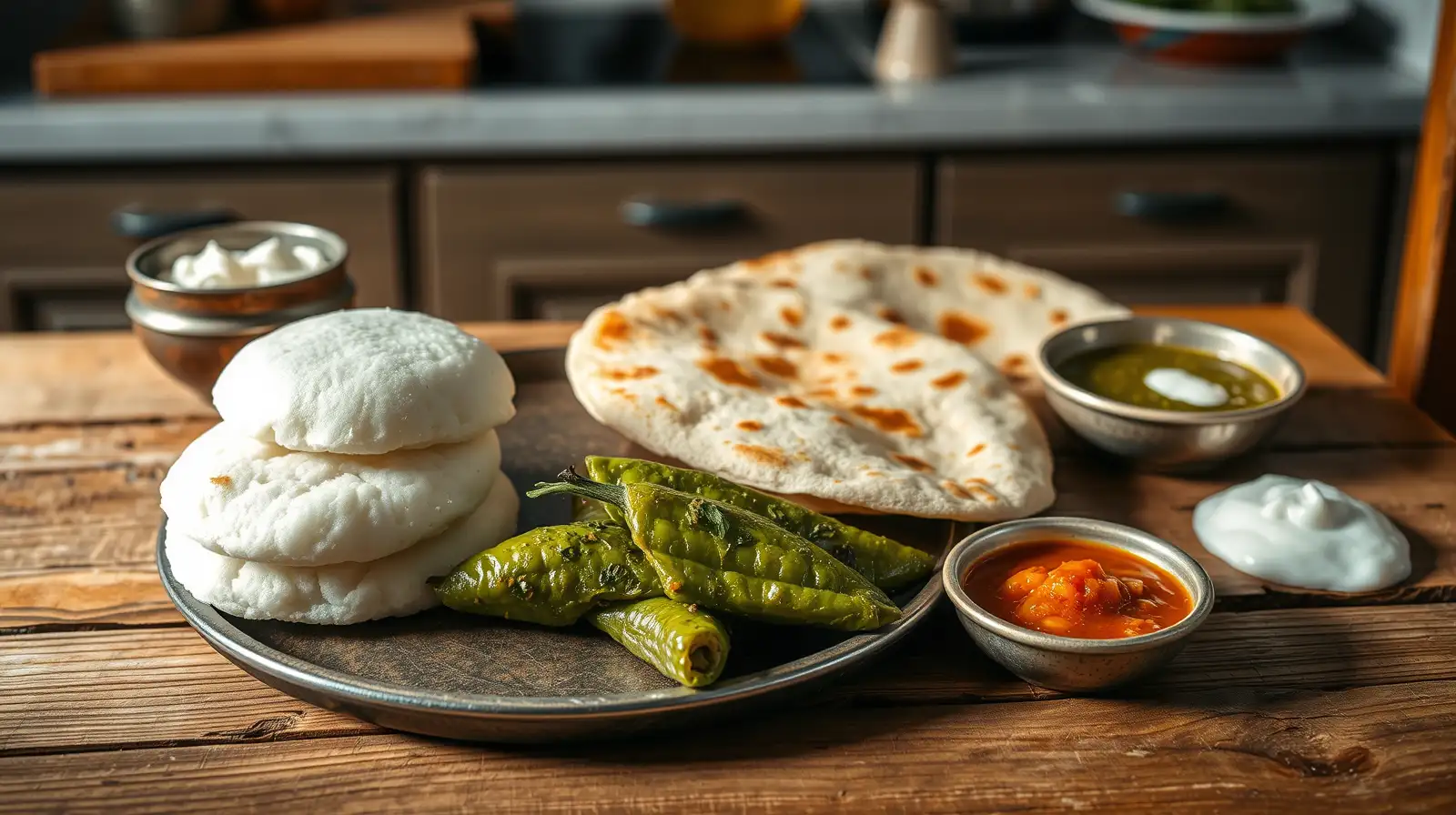
This diversity means that people do not have to depend on one food to meet their protein needs. Instead, rotating traditional meals throughout the week provides both nutritional variety and culinary enjoyment.
Adding vegetables, peanuts, paneer or yoghurt can further increase its protein content while supplying vitamins and minerals. Regional versions made with millets are becoming increasingly popular as people seek more nutritious grains.
Moong chilla offers another excellent option. Made from soaked green gram, it delivers even more protein while remaining light and easy to digest. Its versatility has made it a popular choice among fitness enthusiasts, though it has been part of Indian kitchens for generations.
The fermentation process not only improves flavour but may also increase the body's ability to absorb certain nutrients. When served with protein-rich sambar and coconut chutney, these meals become even more satisfying.
Less widely known dishes such as adai, a thick pancake made from multiple lentils, provide even higher levels of protein while showcasing regional culinary traditions.
Traditional dairy foods such as curd and yoghurt also contribute meaningful amounts of protein while supporting gut health through beneficial bacteria. Pairing curd with millet rotis or vegetable dishes creates a balanced meal without much effort.
Similarly, sprouted legumes have regained popularity because sprouting improves the availability of certain nutrients while maintaining their natural protein content. These foods demonstrate that many modern health trends have deep roots in traditional Indian diets.
India's Traditional Diet Offers More Than Lentils
Long before protein became a popular health topic, Indian households were preparing meals that naturally combined ingredients to improve nutrition. Different grains, pulses, dairy products and spices were paired not just for flavour but also for balance.This diversity means that people do not have to depend on one food to meet their protein needs. Instead, rotating traditional meals throughout the week provides both nutritional variety and culinary enjoyment.
Khichdi Is More Balanced Than It Appears
Khichdi is often viewed as comfort food, but it is also a nutritionally balanced meal. Combining rice with lentils creates a better amino acid profile than either ingredient alone.Adding vegetables, peanuts, paneer or yoghurt can further increase its protein content while supplying vitamins and minerals. Regional versions made with millets are becoming increasingly popular as people seek more nutritious grains.
You may also like
- This 500-year-old Spanish olive tree survived centuries of wars, droughts and changing empires, only to be lifted by cranes after a storm felled a homeowner's pine tree and replanted as the centrepiece of a private mountain chalet's garden
- Nuchal Translucency (NT) Scan: What It Is and How It Screens for Chromosomal Conditions
- Garden experts say one simple landscaping swap could help keep ticks away all summer: And many homeowners already use it without knowing why
- Oxytocin Health Risks: 2700 vials of substandard oxytocin fail at RML. Do you know why this medicine is fatal for you?
- Swara Lodha's Bridal Look Steals the Spotlight: Why Her Ivory-Gold Lehenga Is Winning Hearts
Chilla Makes an Excellent Protein-Rich Meal
Besan chilla, prepared from gram flour, has long been a favourite breakfast and light meal in many parts of India. It is naturally rich in plant protein and can easily be enhanced with chopped vegetables or stuffed with paneer.Moong chilla offers another excellent option. Made from soaked green gram, it delivers even more protein while remaining light and easy to digest. Its versatility has made it a popular choice among fitness enthusiasts, though it has been part of Indian kitchens for generations.
Fermented Foods Add Nutritional Value
South Indian cuisine offers several protein-rich dishes that benefit from fermentation. Idli and dosa, prepared from rice and urad dal, undergo natural fermentation before cooking.The fermentation process not only improves flavour but may also increase the body's ability to absorb certain nutrients. When served with protein-rich sambar and coconut chutney, these meals become even more satisfying.
Less widely known dishes such as adai, a thick pancake made from multiple lentils, provide even higher levels of protein while showcasing regional culinary traditions.
Dairy Plays an Important Role
Paneer remains one of India's richest vegetarian protein sources. Whether added to curries, stuffed into parathas or grilled as a snack, it provides high-quality protein along with calcium.Traditional dairy foods such as curd and yoghurt also contribute meaningful amounts of protein while supporting gut health through beneficial bacteria. Pairing curd with millet rotis or vegetable dishes creates a balanced meal without much effort.
Forgotten Ingredients Are Making a Comeback
Several traditional ingredients are returning to Indian kitchens after years of being overlooked. Sattu, made from roasted Bengal gram, is widely consumed in eastern India as a refreshing drink or filling for parathas. It offers impressive protein content along with fibre and minerals.Similarly, sprouted legumes have regained popularity because sprouting improves the availability of certain nutrients while maintaining their natural protein content. These foods demonstrate that many modern health trends have deep roots in traditional Indian diets.






Loving Newspoint? Download the app now
