
Protecting the Past: How Old Toys Help Parents Process Family Milestones and Growth

Walking into a family home often reveals forgotten bins of worn plastic blocks, stuffed animals, or miniature cars stored long after children have outgrown them. While clearing out unused clutter seems like a straightforward household task, disposing of a child's early toys frequently triggers intense resistance from parents. Developmental psychologists explain that this difficulty goes far beyond simple sentimentality. Old toys serve as tangible bridges to specific developmental chapters, emotional bonds, and deep parental identities.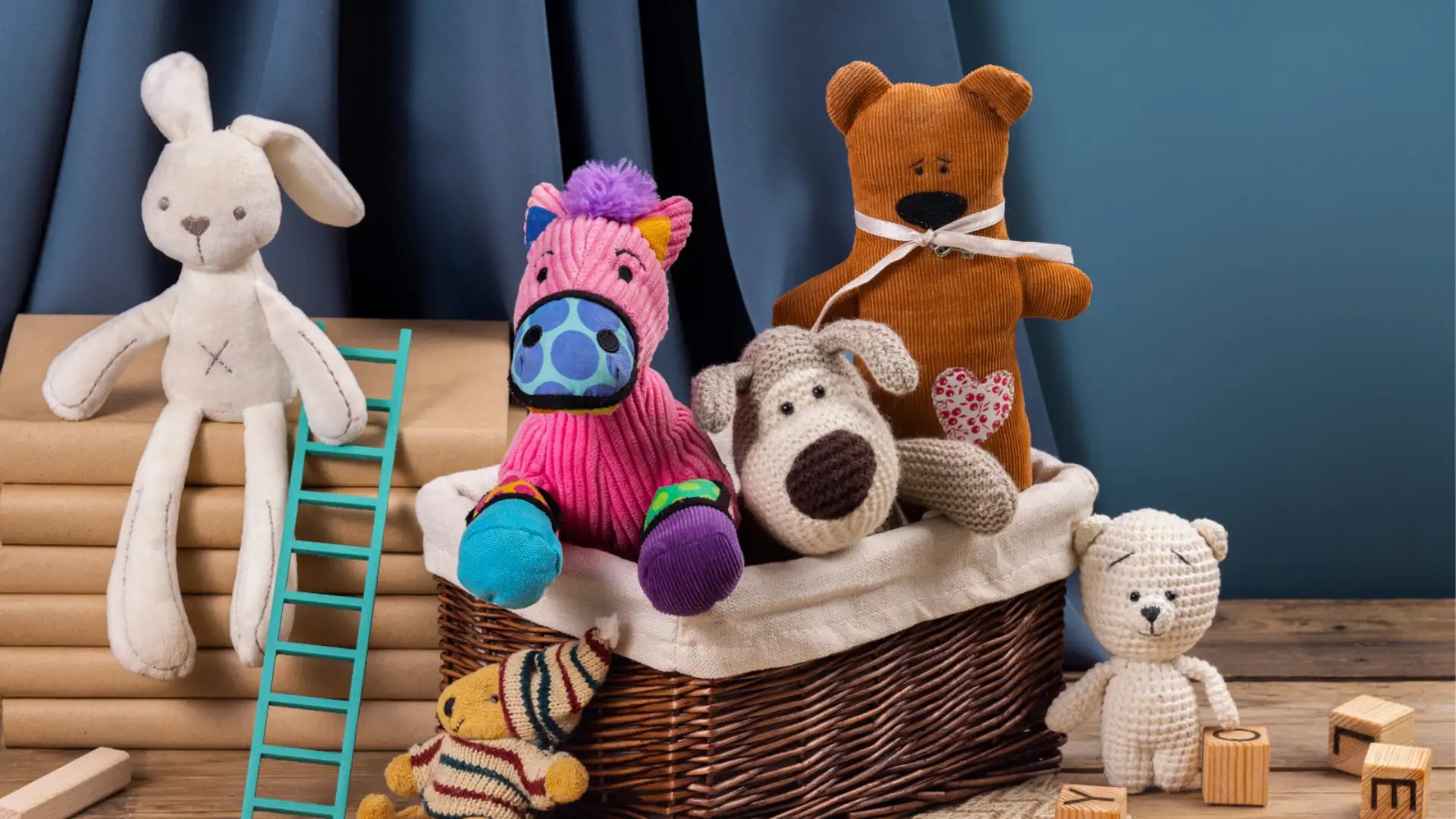
Recognizing the psychological depth behind these feelings allows parents to approach decluttering with self-compassion. Creating small memory boxes, taking photos of old playthings, or passing cherished items down to younger relatives offers a meaningful middle ground, allowing families to honor the past while clearing space for the future.
1. Physical Anchors to Fleeting Milestones
Childhood unfolds at a rapid pace, and toys often become physical markers of fleeting developmental phases. A well-loved teddy bear or a set of baby blocks carries the memory of early milestones, bedtime routines, and quiet moments that can feel like they disappeared overnight. Disposing of these items can feel like closing a door on a precious stage of life, triggering a quiet sense of grief over the swift passage of time.2. Preserving the innocence of Childhood
As children grow into independent teenagers and young adults, parents face the natural transition of letting go. Preserving physical items from early childhood allows parents to preserve a visual reminder of their child's innocence and dependence. Holding onto these objects provides comfort during times of transition, serving as a reminder of a period when protecting and comforting a child was simpler and more direct.You may also like
- Major EPF Change: Will those earning ₹15,000 benefit or lose out?
- What business can be started with just ₹10,000? 7 easy ways to earn money on a low budget.
- You could get extra interest if there is a delay in your PF claim; what is the 20-day rule?
- Giant snake falls on man carrying child at Amboli waterfall in Maharashtra; tourists scream, “Run, it's a very big cobra”: watch
- PF claim stuck for more than 20 days—will EPFO pay you interest for the delay?
3. Reflecting on Parental Identity and Caretaking
Toys often hold as many memories for parents as they do for children. Buying a special birthday gift, assembling play sets late at night, or playing on the living room floor represent active caretaking efforts. Throwing away those items can feel like discarding evidence of a parent's own devotion, effort, and identity during their most intense caretaking years.4. The Challenge of Symbolically Discarding Identity
In many cases, parents project their hopes, family togetherness, and shared laughter onto physical objects. Sorting through old toy bins forces parents to confront generational shifts and changing family dynamics. Letting go of an item can feel like letting go of the memory itself, making decluttering an emotionally heavy task that gets repeatedly postponed.Recognizing the psychological depth behind these feelings allows parents to approach decluttering with self-compassion. Creating small memory boxes, taking photos of old playthings, or passing cherished items down to younger relatives offers a meaningful middle ground, allowing families to honor the past while clearing space for the future.






Loving Newspoint? Download the app now
